A Comprehensive Guide To Transferring Money In And Out Of Thailand

Last Updated on 30 December 2024
Navigating the world of international money transfers can feel daunting, especially when dealing with Thailand’s unique banking regulations.
Did you know that transferring money in and out of this Southeast Asian country requires specific documentation to validate the purpose of every transaction?
This comprehensive guide will shed light on your options for sending money to and from Thailand, including insights into transfer fees, exchange rates, Thai banking systems, safety measures, and more.
Don’t let uncertainty hinder your financial plans; dive in to learn how you can manage cross-border funds effectively!
Key Takeaways
- Transferring money within Thailand is made easy with digital banking options like Bangkok Bank Mobile Banking and PromptPay International.
- When transferring money out of Thailand, be cautious of fraudulent accounts and consider reliable options like Western Union or the SWIFT system.
- Sending money from Thailand to the United States requires proper documentation, awareness of exchange rates and fees, and consideration of secure transfer methods like digital banking services or specific Thai banks such as Bualuang iBanking.
Transferring Money Within Thailand

Digital banking options, such as Bangkok Bank Mobile Banking and PromptPay International, provide expats in Thailand with convenient ways to transfer money within the country.
Digital banking options
If you live in Thailand, there are many ways to send money.
You can do this online. Here are some choices:
- Chase has a mobile app. You can use it for local and international transfers.
- Citibank lets you move money in Thailand and to other countries too.
- Wells Fargo has more options. You can send money online, by phone, or at a bank branch.
- Bank fees may apply when you send money within Thailand.
- Citibank offers two types of bank wires: for local and outside transactions.
Bangkok Bank Mobile Banking
Bangkok Bank Mobile banking is a good way to send money in Thailand.
It’s easy and quick to use, right from your phone.
You can transfer funds any time you want. Chase and Citibank also offer mobile banking services here.
The fees for these services are different for each bank.
For example, Chase asks for $5 for local transfers and $40 if the money goes abroad.
The cost at Citibank changes depending on what kind of account you have.
PromptPay International
PromptPay International is a good choice for you if you need to move money within Thailand.
It is a service known for its safe and quick transfers.
You can use it through your own bank’s mobile app or website.
It lets users send, receive, and transfer funds with ease.
Just tie your ID card number or mobile phone number to your account!
This system also covers cross-border money transfers.
So many people like PromptPay for its simple peer-to-peer solutions and e-wallet services.
Transferring Money Out of Thailand

To transfer money out of Thailand, it is important to be cautious about sending funds to fraudulent accounts.
One reliable option for international money transfers is using Western Union, while the Society for Worldwide Interbank Financial Telecommunication (SWIFT) system is also commonly used.
Additionally, Bualuang iBanking offers a secure platform for transferring money abroad.
Warning about sending money to a fraudulent account
Be cautious when sending money out of Thailand to avoid falling victim to a scam.
There have been instances of fraudulent accounts being used for money transfers, which can result in the loss of your hard-earned funds.
To protect yourself, it is essential to verify the recipient’s account details and ensure that they are trustworthy before making any transactions.
Always double-check the information provided and be wary of any red flags, such as suspicious email addresses or requests for personal information.
By staying vigilant and following these precautions, you can help prevent becoming a victim of money transfer fraud while transferring funds safely.
Western Union
Western Union is a trusted and reliable option for transferring money out of Thailand.
They have been around for a long time and offer competitive rates, fees, and guarantees for your transfers.
One great thing about Western Union is that you can do cash pickups in Thailand, which makes it really convenient if you need to send money to someone who doesn’t have a bank account.
They also offer different ways to send money, like doing it online or going in person to one of their agent locations.
Just keep in mind that the fees for sending money through Western Union will vary depending on where you’re sending it and how much you’re sending.
SWIFT
For expats living in Thailand who want to transfer money out of the country, one important method to consider is SWIFT (Society for Worldwide Interbank Financial Telecommunication).
SWIFT codes are necessary for international fund transfers, and each Thai bank has its own code.
Banks like Siam Commercial Bank (SCB), Bangkok Bank, Kasikorn Bank (K Bank), Krungsri Bank, and Krungthai Bank (KTB) facilitate these transfers.
By using SWIFT, you can securely send money abroad and ensure it reaches the intended recipient. Remember to have the correct SWIFT code when initiating your transfer with your bank.
Bualuang iBanking
Bualuang iBanking is an online banking service offered by Bangkok Bank, one of the largest and most trusted banks in Thailand.
It allows expats living in Thailand to transfer money internationally to different countries.
With Bualuang iBanking, you can conveniently and securely send money abroad using their online platform.
However, it’s important to note that the fees for using Bualuang iBanking may vary depending on the country you are sending money to.
So if you’re looking for a reliable and convenient way to transfer money out of Thailand, Bualuang iBanking is definitely worth considering.
Sending Money from Thailand to the United States
To send money from Thailand to the United States, there are several options available, including digital banking services, international money transfer platforms like Western Union or SWIFT, and specific Thai banks such as Bualuang iBanking.
When choosing the best method, it’s important to consider factors like transfer fees, exchange rates, and speed of transfer.
For larger amounts of money, it may be beneficial to compare different options to ensure the most cost-effective and efficient transfer.
The best ways to transfer money
Here are some of the best ways to transfer money if you’re an expat living in Thailand:
- Use digital banking options: Many banks in Thailand offer convenient and secure digital banking services that allow you to transfer money quickly and easily. You can access these options through your bank’s mobile app or website.
- Consider Bangkok Bank Mobile Banking: Bangkok Bank offers a mobile banking app that enables you to transfer money within Thailand and abroad. It provides a user-friendly interface and offers features like fund transfers, bill payments, and balance inquiries.
- Explore PromptPay International: PromptPay is a popular electronic payment system in Thailand that allows users to transfer money using their mobile phone number or national ID card. With the newly introduced PromptPay International service, you can send money overseas as well.
Things to consider before sending money
Before sending money from Thailand, there are some important things to consider:
- Proper documentation and proof of purpose are required for transferring money.
- Foreigners may need additional paperwork, such as proof of income or an explanation of the source of funds.
- Exchange control regulations: In Thailand, they´re governed by the Exchange Control Act and Ministerial Regulation No. 13.
- The Bank of Thailand oversees foreign exchange transactions, which must be conducted through authorized commercial banks or non-banks.
- Authorized non – banks, like money changers and transfer agents, must have foreign exchange licenses from the Ministry of Finance.
- Transactions not conducted through authorized licensees require approval on a case-by-case basis from the competent officer.
Transferring large amounts of money
Transferring large amounts of money from Thailand to the United States requires proper documentation and proof of the purpose of the transaction.
You may need additional paperwork, like an employer’s proof of income letter or a document explaining the source of your funds.
The fees for sending large amounts can range from $5 to $40, depending on which bank or service provider you choose.
Options like Chase, Citibank, Wells Fargo, FedEx, and UPS offer different fees and methods for transferring your money.
It is important to note that authorized non-banks must have foreign exchange licenses from the Ministry of Finance in order to provide this service.
Exchange rates and fees
When transferring money from Thailand to the United States, it’s crucial to be aware of both exchange rates and fees, which can significantly affect your transaction.
Here are some key details:
| Method | Exchange Rate | Fees |
|---|---|---|
| Chase Bank | Varies | Domestic $5, International $40 |
| Citibank | It depends on account type | It depends on account type |
| Wells Fargo | Fluctuates | Differences based on transfer method (online, by phone, in-branch) |
| US Postal Service | Not applicable for money orders or cashier’s checks | Varies |
| FedEx | Subject to change | It depends on service used (MoneyPak, International Money Transfer) |
Keep in mind that exchange rates can fluctuate and should be closely monitored before finalizing a transfer.
Each provider often sets their own rates, so it’s beneficial to compare options to ensure you get the best value for your money.
Fees range widely, with some providers charging flat rates while others adjust their fees based on the amount being sent or the transfer method.
Lastly, remember to factor these costs into your budget when planning to transfer money from Thailand to the United States.
How long does it take to send money?
When sending money within Thailand, bank transfers typically occur on the same day or within one to two business days.
For international bank transfers, it can take longer, usually ranging from two to five business days.
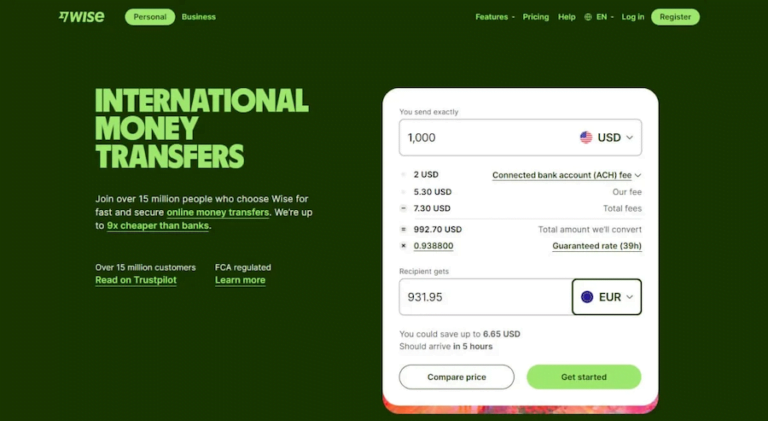
If you choose to use online platforms like Wise (formerly TransferWise), the transfer process is often faster, with transactions completing within one to two business days.
However, sending money by mail through methods such as money orders or cashier’s checks can take several days or even weeks for the funds to reach the recipient.
What is the safest way to send money?
When it comes to transferring money, safety is a top concern.
For expats living in Thailand, the safest way to send money is through authorized financial institutions such as Thai banks or reputable online platforms like Wise (formerly TransferWise).
These institutions comply with legal requirements and regulations, ensuring that your funds are protected during the transfer process.
It’s also important to follow proper documentation procedures and provide proof of the purpose of your transaction to ensure a smooth and secure transfer.
By using approved channels and following the necessary steps, you can have peace of mind knowing that your money is being sent safely.
How can I pay for my transfer?
To pay for your transfer, you can use various methods in Thailand.
You can make a bank transfer using digital banking options like Bangkok Bank Mobile Banking or Bualuang iBanking.
Another option is to use PromptPay International for convenient and secure transfers within the country.
When transferring money out of Thailand, you can consider services like Western Union or SWIFT.
It’s important to be cautious and avoid sending money to fraudulent accounts.
Keep in mind that when sending money abroad, you’ll need the recipient’s account details and specify the currency and amount.
Guide to THB transfers
Transferring money in and out of Thailand can be a complex process, but with the right guidance, it can become much easier. When it comes to transferring Thai Baht (THB), there are a few important things to keep in mind.
First, make sure you have all the necessary documentation and proof of the purpose of your transaction.
This is essential to comply with remittance regulations and currency transfer requirements.
Additionally, when sending money overseas from Thailand, you will need the recipient’s account details, including their name and number, bank name and address, as well as the currency and amount of money you wish to transfer.
Understanding these requirements will help ensure a smooth THB transfer process for expats living in Thailand.
To avoid any delays or complications with your THB transfers, it is crucial to familiarize yourself with exchange control laws in Thailand.
These laws are the Exchange Control Act and Ministerial Regulation No.
13 to regulate international money transfers.
By being aware of these regulations, expats can better navigate through any potential challenges that may arise during their THB transfers.
Remember: having proper documentation for foreign transfers (such as an employer’s proof of income letter or an explanation of the source of funds) is particularly important for foreigners sending money back to their home country from Thailand.
This additional paperwork helps demonstrate the legitimacy and purpose behind the funds being transferred.
Related articles and resources
If you want to learn more about transferring money in and out of Thailand, there are some helpful articles and resources available.
You can find information on international money transfers, remittance services, cross-border transactions, sending money abroad, currency exchange regulations, proof of income for foreign transfers, overseas fund transfers, documentation for money transfers, and understanding foreign exchange regulations.
It’s important to comply with Thai exchange control laws when transferring funds.
Conclusion
Transferring money in and out of Thailand can be a complex process, but with the right information and tools, it can be done safely and efficiently.
From digital banking options within Thailand to international transfer services like Western Union and SWIFT, there are various methods available for expats living in Thailand.
Managing international money transfers in and out of Thailand doesn’t have to be a daunting task.
By leveraging digital banking options like Bangkok Bank Mobile Banking and PromptPay International, you can effortlessly transfer money within Thailand.
For outbound transfers, prioritize safety and reliability with trusted services like Western Union, SWIFT, and Bualuang iBanking.
Remember, proper documentation and awareness of exchange rates and fees are key.
Whether you’re an expat or conducting business in Thailand, understanding these nuances ensures a smooth, secure, and efficient financial experience.
Embrace these insights and confidently navigate the world of international money transfers with Thailand as your financial hub.
It’s important to remember the documentation requirements and regulations set by the Bank of Thailand when conducting these transactions.
With this comprehensive guide, you’ll have all the necessary information to navigate your money transfers with ease.
Frequently Asked Questions
How can I transfer money into Thailand?
You can transfer money into Thailand through methods such as bank transfers, online payment platforms, or using a remittance service.
What is the best way to transfer money out of Thailand?
The best way to transfer money out of Thailand is by using international wire transfers offered by banks or online payment platforms.
Are there any fees involved in transferring money in and out of Thailand?
Yes, there are usually fees associated with transferring money in and out of Thailand. The amount may vary depending on the method used and the financial institution chosen.
How long does it take for a money transfer to be completed?
The time it takes for a money transfer to be completed depends on various factors, such as the method used, the destination country, and any security checks that need to be performed. It can range from a few minutes to several business days.
Are there any restrictions or regulations when transferring large amounts of money in or out of Thailand?
Yes, there are certain restrictions and regulations when transferring large amounts of money in or out of Thailand. It’s advisable to consult with your bank or financial institution for specific information regarding these limits and requirements.