This Asian Country Aims To Become A Leading Hub For Digital Nomads


Last Updated on 30 December 2024
Malaysia aims to position itself as a premier Asian destination for digital nomads. With idyllic beaches, bustling cities, low costs of living, and a thriving startup scene, Malaysia offers digital freelancers an enticing work-life balance.
The country takes inspiration from seasoned digital nomad hubs like Chiang Mai, Bali, Portugal, and Greece to shape its own visa program, called DE Rantau.
DE Rantau, meaning “travel” in Malay, forms a core component of Malaysia’s national strategy to expand its digital economy across nine key sectors, including tourism.
An Attractive Option for Software Talent
Spearheaded by the Malaysia Digital Economy Corporation (MDEC), DE Rantau serves as a centralized contact point for digital nomads on all immigration and housing matters.
Launched in October 2022, the program has already received over 2,000 applications, 800 of which gained approval by early 2023.
DE Rantau specifically targets software developers, AI experts, digital marketers, bloggers, vloggers, and other IT professionals capable of generating over $24,000 in annual income. As DE Rantau’s Head of Digital Tourism, Arifah Sharifuddin explains:
“We are looking for people who fit the following description: software developers, bloggers and content producers with a certain number of followers and a certain type of content.”
She further notes that 30% of applicants possess software development skills, while 25% specialize in sub-fields like AI, machine learning, digital marketing, creative content, and UX design.
So if you are a traveling techie looking for tropical beaches between freelance gigs, Malaysia wants you!
Supporting Tourism and Economic Growth
Beyond attracting digital nomads themselves, the DE Rantau initiative also empowers local tourism providers. Equipping hotels, tour operators, co-working spaces, and related businesses with digital capabilities and talent makes them more competitive internationally.
As Arifah remarks:
“We see this program as supporting digital tourism so that businesses in Malaysia can become more competitive and sustainable.”
Fostering digital tourism aligns with Malaysia’s broader national agenda to excel as a hub for the digital economy.
Where Are the Digital Nomads Clustering?
Currently, popular destinations for DE Rantau participants include:
- Penang – Known for its multicultural street food and accessible co-working spaces
- Kuala Lumpur – An urban hotspot with a flourishing startup and tech scene
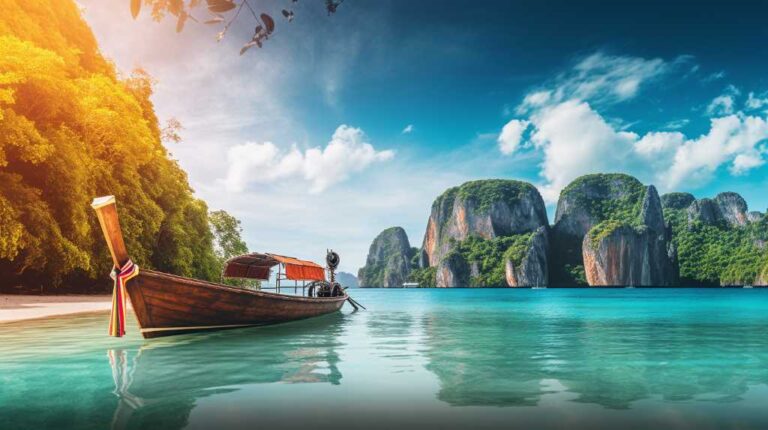
- Langkawi – An idyllic island getaway
- Sabah and Sarawak – Untouched natural landscapes in Malaysian Borneo
73% of approved applicants are splitting time between Penang and KL. However, interest exists to geographically disperse digital nomads to less-trafficked regions so they can uplift local businesses.
Looking Ahead
A mere three months after its launch, Malaysia’s DE Rantau program gained impressive traction among global digital nomads.
With COVID-induced remote work revolutionizing how location-independent professionals live and operate, Malaysia moved quickly to seize its position as an appealing Asian destination.
By learning from other successful digital nomad hubs while playing to its distinct strengths in software development and digital tourism, Malaysia aims to welcome a thriving community of traveling tech talent in the years ahead.