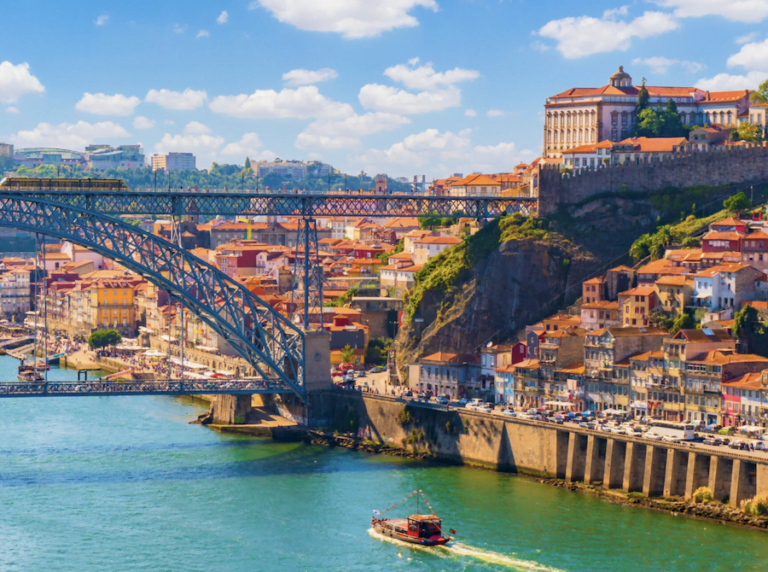
The Social And Economic Impact Of Digital Nomad Communities In Emerging Markets


Last Updated on 27 December 2024
You’ve likely heard about digital nomads—remote workers who’ve embraced a lifestyle of global travel, powered by technology that allows them to work from anywhere. 1
But did you know that these roaming professionals are making significant economic and social impacts, particularly in emerging markets?
According to recent studies, digital nomad communities contribute billions to local economies through their spending on housing, food, transportation, and more. 3 Their presence is a driving force for economic growth and development in regions seeking to attract skilled, mobile talent.
In this blog post, we’ll explore how digital nomad communities shape the social fabric and economies of emerging markets across the world.
You’ll gain insights into the unique dynamics of these global tribes and understand how both nomads and host communities can collaborate for mutual benefit. 2 It’s a fascinating intersection of work, travel, and cultural exchange—let’s dive in.
Key Takeaways
- Digital nomad communities contribute billions of dollars to local economies in emerging markets through their expenditure on housing, food, transportation, and other services, boosting economic growth and development.
- The rise of digital nomadism in emerging markets is attributed to factors such as the COVID-19 pandemic, which accelerated remote work, and rising costs that motivated people to seek more affordable living solutions abroad.
- Digital nomads foster cultural exchange and innovation by sharing skills, ideas, and practices across borders, but integrating with local populations presents challenges due to visa constraints, cultural barriers, and their transient nature.
- Governments in emerging markets are introducing nomad visas and long-term residency programs to attract and support the growth of digital nomad communities, recognizing their economic potential.
- To sustain the mutual advantages of digital nomadism, there is a need for open communication, policies that balance the needs of nomads and host communities, and collaborative initiatives that foster understanding and shared growth.

The Rise of Digital Nomad Communities in Emerging Markets
Digital nomadism blurs geographical boundaries, transforming emerging markets into thriving hubs for remote professionals.
As digital nomads flock to vibrant locales, they catalyze economic growth and foster cross-cultural connections.
An overview of digital nomadism and its growth in emerging economies

Digital nomadism — the ability to work remotely from anywhere — continues gaining momentum worldwide. Emerging markets, with lower living costs and thriving entrepreneurial ecosystems, are attractive destinations for this mobile workforce.
Estimates suggest 16.9 million US residents identify as digital nomads, and over 60 countries have introduced nomad visas since June 2020. 1
The nature of work is changing — it’s becoming more flexible, more global, and more digital. – Matt Mullenweg, Co-Founder of WordPress
By leveraging technology, nomads can freelance, consult, or work for companies remotely while exploring new cultures. This location independence appeals to tech enthusiasts seeking adventure alongside career growth.
The COVID-19 pandemic accelerated this trend, prompting companies to embrace remote work models — a shift benefiting emerging economies as nomads flock there. 2
Factors contributing to this trend, such as the COVID-19 pandemic and rising prices
Transitioning from the overview of digital nomadism’s growth, you can’t overlook the pivotal role played by the COVID-19 pandemic and rising inflation rates. These factors served as catalysts, propelling the surge in digital nomad lifestyles. 2
During the pandemic, remote work became a necessity, enabling individuals to work from anywhere. This newfound flexibility opened doors to the nomadic lifestyle. Simultaneously, soaring prices and economic instability drove many, especially younger generations, to seek cost-effective living solutions abroad as digital nomads.
According to statistics, the number of digital nomads from the US quadrupled in just four years. 3
The pandemic reshaped work dynamics, while rising costs motivated people to explore more affordable locations, fueling the rapid expansion of digital nomad communities worldwide.
Economic Impact of Digital Nomad Communities

Digital nomad communities infuse local economies with a revitalizing influx of capital, propelling economic growth through heightened demand for housing, dining, and entertainment amenities, consequently generating job opportunities.
These nomadic individuals forge a tapestry of global connections, fostering cultural exchange and understanding. However, seamlessly integrating with established local communities poses challenges, necessitating open dialogue and mutual efforts to bridge cultural divides.
Boosting local businesses and real estate markets
As a digital nomad, your presence catalyzes economic growth in local communities.
Not only do you contribute directly by spending on accommodation, coworking spaces, and local services, but your disposable income—studies show nomads in Chiang Mai earn $7,600 monthly while spending just $969—boosts demand for goods and services. 4
This influx of expenditure stimulates business activity, job creation, and real estate investment to cater to nomadic lifestyles.
Moreover, your entrepreneurial spirit fosters innovation. Many nomads leverage location independence to launch startups or explore passion projects, injecting creativity into local ecosystems.
This cross-pollination of ideas, skills, and resources can spur long-term economic development—a mutually beneficial exchange between nomads and host communities.
Leveraging these opportunities requires strategic planning and inclusive policymaking to balance diverse interests and needs. 2
Potential for long-term economic growth and development
The rise of digital nomads represents an economic revolution—one that has the potential to reshape the global landscape. – Satya Nadella, CEO of Microsoft
You’re witnessing a transformative movement that promises long-term economic growth and development. Digital nomads—mobile professionals untethered from traditional offices—catalyze prosperity wherever they roam.
Their arrival stimulates local businesses, injects fresh capital into real estate markets, and fosters a thriving digital economy. 1
Beyond economic impact, these global citizens cultivate innovation hubs, cross-pollinating ideas across borders. They contribute to a culture of entrepreneurship, with many eventually transitioning from nomads to immigrant entrepreneurs, further fueling economic progress.
Chile’s “Startup Chile” program exemplifies this, granting visas and seed funding to foreign founders, accelerating innovation nationwide. 2
Social Dynamics and Community-Building among Digital Nomads

Creating a global network fosters cultural exchange opportunities for digital nomads. Integrating with local populations presents challenges, but building relationships enriches the community experience.
Creation of a global network and cultural exchange opportunities
You immerse yourself in a vibrant global network, facilitating cultural exchange opportunities. Digital nomad communities foster cross-cultural connections, enabling you to engage with diverse perspectives and gain invaluable insights. 5
Popular destinations like Lisbon, Bali, and Mexico City thrive as nomad hubs, nurturing environments for sharing skills, ideas, and practices across borders. 5
These dynamic communities cultivate enriching cultural immersion experiences. As a location-independent professional, you seamlessly integrate into new locales, embracing authentic traditions and lifestyles. 6
This reciprocal exchange promotes mutual understanding, bridging gaps between cultures through meaningful interactions and shared experiences .
Challenges of integration and building relationships with local populations
While the global network and cultural exchange opportunities present enticing prospects, integrating harmoniously with local populations emerges as a formidable challenge for digital nomads. Although their nomadic lifestyles foster connections worldwide, cultivating profound and meaningful relationships within local communities often proves arduous.
Navigating the complexities of visa constraints and temporary residencies frequently impedes deep community engagement. Data indicates that 86.8% of nomads in Chiang Mai, Thailand, prefer the flexibility of tourist visas over the bureaucratic hurdles of long-term residency.
Furthermore, countries lack comprehensive data quantifying the economic impacts of nomads, hindering the development of policies to address integration obstacles effectively. 7
Overcoming cultural barriers, finding shared interests, and gaining trust necessitates a substantial investment of time, often incompatible with the transient nature of the nomadic lifestyle.
Digital nomads must strike a delicate balance, endeavoring to immerse themselves in local cultures while respecting boundaries, ensuring their presence enriches rather than disrupts the host communities. 8
Addressing Challenges and Leveraging Opportunities
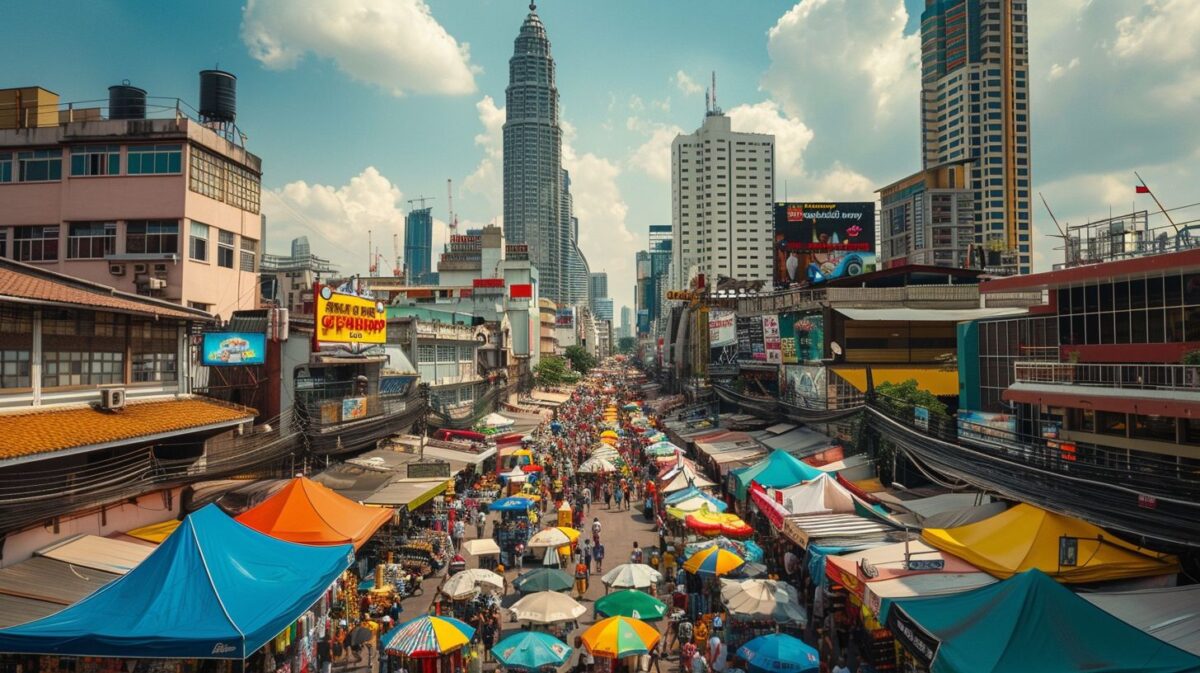
Leveraging digital nomad communities in emerging markets presents opportunities and challenges. You must balance the needs and interests of both nomads and host communities.
Implementing supportive policies and initiatives can foster collaborative growth, benefiting local economies while providing digital nomads a welcoming environment.
Balancing the needs and interests of both digital nomads and host communities
You need to establish a symbiotic relationship between digital nomads and local communities. Poorly-designed visa programs can disrupt this balance – but well-crafted initiatives benefit everyone involved.
Harvard Business School’s Prithwiraj Choudhury emphasizes the importance of nomads actively assisting host societies. 9
Collaboration is key to sustaining mutual advantages. Digital nomads inject money into economies through housing, dining, entertainment expenditures. Their presence boosts real estate values, business revenues.
In return, locals provide cultural exchange, workforce integration opportunities. Both sides must communicate openly, respecting each other’s needs – creating an environment of understanding, shared growth. 10
Implementing policies and initiatives to support the growth of digital nomad communities in emerging markets.
Transitioning seamlessly, governments in emerging markets recognize the economic potential of attracting digital nomads. Post-COVID-19, they’re introducing visas tailored for remote workers — from Greece’s digital nomad visa to Malaysia’s Nomad Pass.
However, inconsistencies across programs create varying user experiences. 7
You’ll find successful examples like Barbados’ Welcome Stamp, Estonia’s digital nomad visa, Malta’s Nomad Residence Permit, and Thailand’s Long-Term Residents visa. Carefully crafted policies addressing visa regulations, immigration, and long-term residency could foster a thriving nomad community.
With strategic initiatives, emerging economies can leverage this globetrotting workforce for sustainable growth. 9
Conclusion
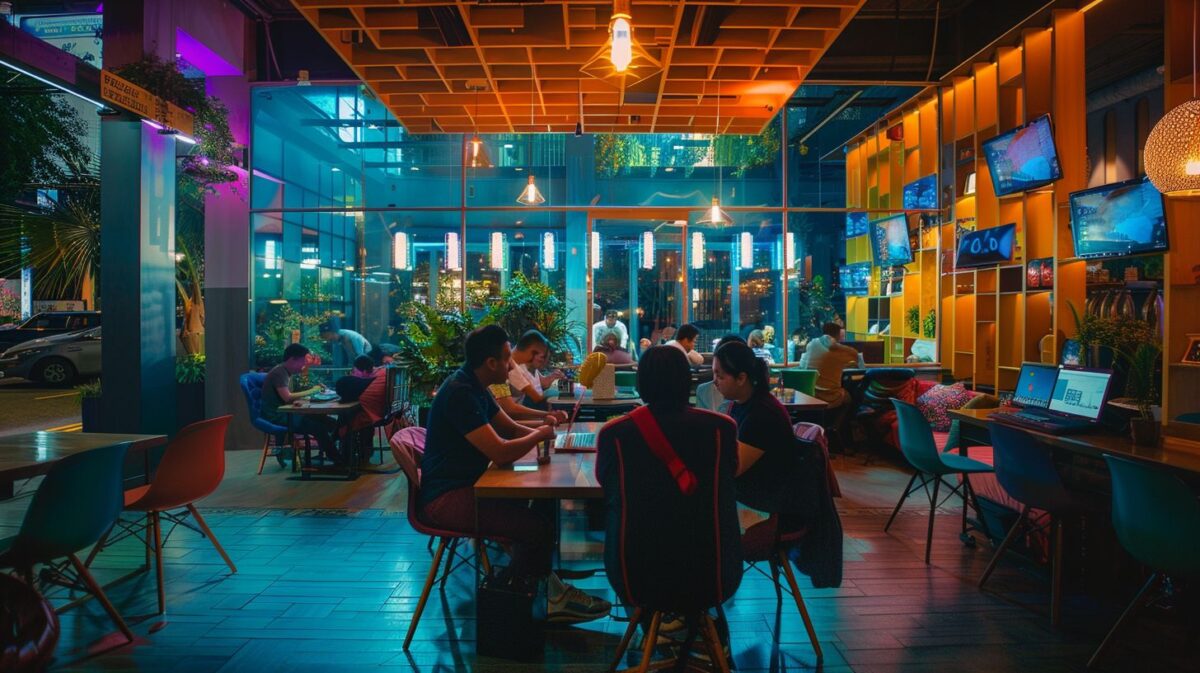
Digital nomadism transcends borders, cultures, and traditional norms. You find yourself immersed in vibrant communities, exchanging ideas and experiences.
Emerging markets seize this opportunity, fostering economic growth while celebrating diversity.
Sustainable practices pave the way for harmonious coexistence – a symbiotic relationship blossoming between nomads and locals. Embrace this transformative journey, where boundaries dissolve, and connections thrive.
FAQs
1. What is a digital nomad community?
A digital nomad community refers to groups of remote workers who travel and live in different locations while working online.
2. How do digital nomads impact local economies?
Digital nomads can boost local economies by spending money on housing, food, transportation, and other services in the areas they visit.
3. What social impacts do digital nomad communities have?
Digital nomad communities can introduce new cultures and perspectives to local communities, fostering cross-cultural exchange and understanding.
4. Are there any challenges associated with digital nomad communities?
Yes – some potential challenges include strain on local infrastructure, housing availability, and cultural clashes if not properly managed.
5. How can emerging markets benefit from digital nomad communities?
Emerging markets can benefit from the influx of digital nomads by attracting skilled remote workers, promoting tourism, and generating income for local businesses.
References
- ^ https://www.researchgate.net/publication/377489109_Digital_nomadism_as_a_new_part_of_the_visitor_economy_The_case_of_the_digital_nomad_capital_Chiang_Mai_Thailand (2024-01-27)
- ^ https://hir.harvard.edu/digital-nomadism-transnational-economic-relations-in-the-emerging-economies/ (2023-10-27)
- ^ https://s29814.pcdn.co/wp-content/uploads/2020/10/MBO-Digital-Nomad-Report-2020-Revised.pdf
- ^ https://www.weforum.org/agenda/2024/03/how-digital-nomads-are-shaping-local-economies-and-innovation/ (2024-03-28)
- ^ https://www.sciencedirect.com/science/article/pii/S0040162523007837
- ^ https://altesc.tech/blogs/news/the-impact-of-digital-nomadism-on-local-communities-a-deep-dive-into-the-global-work-from-anywhere-phenomenon (2024-03-26)
- ^ https://www.researchgate.net/publication/380544223_The_impending_disruption_of_digital_nomadism_opportunities_challenges_and_research_agenda_The_impending_disruption_of_digital_nomadism_opportunities_challenges_and_research_agenda (2024-05-16)
- ^ https://digitalnomadsasia.com/2023/12/15/digital-nomads-asia-building-connections-and-communities/ (2023-12-15)
- ^ https://www.sciencedirect.com/science/article/pii/S2212571X23000896
- ^ https://www.researchgate.net/publication/361583715_Assessing_the_Impacts_of_Digital_Nomadism_on_Local_Communities_The_Case_of_Chiang_Mai_Thailand


![boats docked near seaside promenade]](https://nomadoffshoreacademy.com/wp-content/uploads/2023/10/portugal-768x512.jpg)