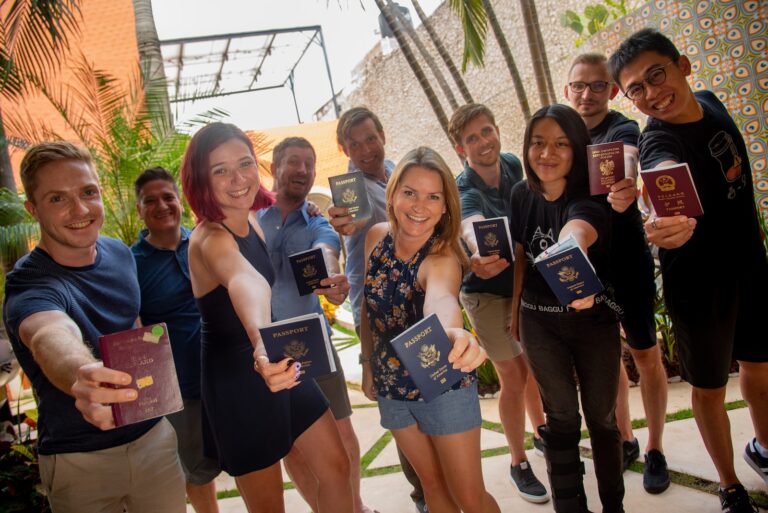
Dreaming of Europe? Your Ultimate Guide to Schengen Visas


Last Updated on 6 January 2025
Embark on a seamless journey through the heart of Europe with the Schengen Visa, the key to unlocking a world of travel opportunities.
This essential document grants non-EU citizens the freedom to explore 27 European countries, eliminating the need for multiple visas.
In this comprehensive guide, we will walk you through the step-by-step application process, provide insight into visa requirements and fees, and address common reasons for denial.

Key Takeaways
- The Schengen visa allows travel in any country in the Schengen area for tourist or commercial purposes, with a stay of 90 days over a period of 180 days.
- The Schengen area comprises 27 countries that have signed the Schengen agreement, allowing for passport-free travel between these countries.
- There are different types of Schengen visas depending on the purpose of travel, including single-entry, double-entry, and multiple-entry visas.
- The Schengen visa application process involves fulfilling specific requirements, submitting the necessary documents, participating in a visa interview, and paying visa fees.
Schengen Visa Overview
The Schengen visa allows you to travel to any country within the Schengen Area for tourism or business purposes without the need for passport controls at the borders.
This visa allows passport-free travel between 27 European countries, providing numerous benefits to travelers.
One of these benefits is the implementation of the European Travel Information and Authorization System (ETIAS), which was created to better manage EU borders.
The implementation of ETIAS will streamline the visa application process and improve security measures within the Schengen Area.
In addition, the Schengen visa allows non-EU citizens to benefit from easier and more accessible travel in participating countries.
With the Schengen visa, individuals can explore multiple countries without the hassle of undergoing passport checks at each border, making travel more convenient and efficient.

Schengen Countries
The Schengen area consists of 27 countries that have signed the Schengen agreement.
This agreement allows for passport-free travel within these countries, making it easier and more accessible for non-EU citizens to explore multiple destinations.
Additionally, travelers with a valid multiple-entry Schengen visa can enter non-Schengen countries.
Two countries, Bulgaria and Romania, are expected to join the Schengen Area by the end of 2023, further expanding travel opportunities within the zone.
To provide a clearer overview, here is a table showcasing the 27 Schengen countries:
| Schengen Countries |
|---|
| Austria |
| Belgium |
| Czech Republic |
| Denmark |
| Estonia |
| Finland |
| France |
| Germany |
| Greece |
| Hungary |
| Iceland |
| Italy |
| Latvia |
| Liechtenstein |
| Lithuania |
| Luxembourg |
| Malta |
| Netherlands |
| Norway |
| Poland |
| Portugal |
| Slovakia |
| Slovenia |
| Spain |
| Sweden |
| Switzerland |
| Bulgaria |
| Romania |
This table provides a comprehensive list of the Schengen countries.
Travelers can now plan their itineraries accordingly, taking advantage of passport-free travel and exploring the diverse cultures and landscapes of these European destinations.

Schengen Visa Types
Schengen visa types are designed for different travel purposes, allowing entry to the Schengen Area for business, tourism, or study.
There are different types of visas depending on the purpose of travel.
- The single-entry visa allows one entry to the Schengen Area within a specific timeframe, while the double-entry visa allows two entries.
- For frequent travelers, the multiple-entry visa allows multiple entries within the 90/180 day limit.
- The 5-year multiple-entry visa is granted for previous use of a two-year visa.
Uniform Schengen Visas (USV) are issued for short stays and include single-entry, double-entry, and multiple-entry visas.
Those who have previously used three visas can obtain a 1-year multiple-entry visa, while the 3-year multiple-entry visa allows entry within a three-year period.
When applying for a Schengen visa, it is important to consider the validity period that best suits your travel needs.
Additionally, it is advisable to follow the Schengen visa application tips provided by the consulate or embassy to ensure a smooth application process.
Visa Requirements and Application Process
The visa application process begins with gathering the required documents, which include:
- a valid passport with a minimum of 3 months validity beyond the intended stay in the Schengen Area
- recent passport-sized photographs
- travel insurance
- proof of financial means to cover the expenses during the stay
- proof of accommodations, such as hotel bookings or an invitation letter from a host in the Schengen country.
Once all the documents are in order, an appointment must be booked at the respective consulate or embassy to submit the application.
During the appointment, the applicant will be required to provide biometric data, such as fingerprints.
It is important to note that the processing time can vary, so it is advisable to apply well in advance of the intended travel dates.

Required Documents
The required documents may vary slightly depending on the purpose of your visit and the specific consulate or embassy to which you are applying.
However, there are some common documents that are generally required for a Schengen visa application.
These include:
- A valid passport with at least two blank pages
- completed the visa application form.
- Recent passport-size photographs
- Travel itinerary.
- Proof of travel medical insurance.
- Proof of accommodation.
- Proof of financial means.
- A cover letter explaining the purpose of your visit and your intention to return to your home country
It is important to check the consulate or embassy website for a detailed list of documents and make sure you have all the necessary documents before submitting your application.
Visa Fee and Processing Time
The visa fee for a Schengen visa application and the expected processing time are important factors to consider in the visa application process.
Here are some key details regarding the visa fee payment methods and potential visa processing delays:
Visa Fee Payment Methods:
- The visa fee can usually be paid in cash or by credit or debit card at the visa application center.
- Some countries may also accept online payments through their official visa application websites.
- It is important to check the specific payment methods accepted by the embassy or consulate where you are applying.
Visa processing delays:
- The processing time for a Schengen visa application can vary depending on several factors, including the embassy or consulate where you apply and the time of year.
- Generally, the processing time can range from a few days to several weeks.
- It is advisable to apply for the visa well in advance of your planned travel date to account for any potential delays.
- Factors that can contribute to processing delays include incomplete or incorrect documentation, high application volumes, and additional security checks.
- To avoid unnecessary delays, it is important to carefully follow the application guidelines and provide all required documents accurately.

Reasons for Visa Denial and Reapplication
Several common reasons lead to the denial of a Schengen visa application, causing applicants to consider reapplying.
One of the main reasons for visa denial is insufficient documentation.
Applicants must provide all necessary documents, such as a valid passport, proof of accommodation, travel insurance, and financial means.
Any missing or incorrect information may result in visa denial.
Another reason for denial is lack of proof of purpose of travel.
Whether for tourism, business, or study, applicants must provide supporting documents, such as letters of invitation, conference records, or letters of registration.
In addition, applicants who have had previous immigration or security violations may be denied a visa.
Additional Information and Benefits
Applicants who are granted a Schengen visa may enjoy several additional benefits and access to valuable information.
These benefits include:
- Ease of Travel: A Schengen visa allows passport-free travel between 27 European countries, which is convenient for tourists and business travelers who wish to explore multiple destinations.
- Extended Stay: The Schengen visa allows a stay of up to 90 days within a 180-day period, providing ample time to immerse yourself in the culture and explore the attractions of the Schengen Area.
- Access to information: Visa holders can access valuable information about travel within the Schengen Area, including the European Travel Information and Authorization System (ETIAS). ETIAS is an electronic authorization system that aims to improve border management and security within the EU.
- Less paperwork: Once a Schengen visa is obtained, non-EU citizens benefit from easier and more accessible travel within the Schengen Zone, eliminating the need for additional visas or permits for each individual country.
- Increased mobility: The Schengen visa allows non-Schengen countries to grant entry to visa holders, facilitating travel to neighboring countries without the need for additional visas or documentation.
These additional benefits make the Schengen visa an attractive option for travelers seeking seamless travel experiences and the opportunity to explore multiple European destinations.
Extending and Accelerated Procedure
To extend their stay in the Schengen Area or expedite the visa application process, individuals who have been granted a Schengen visa can take advantage of the accelerated procedure.
The extension of a Schengen visa allows travelers to extend their stay beyond the initial 90-day limit, while the accelerated procedure aims to expedite the visa application process.
To extend a Schengen visa, individuals must submit their application to the appropriate embassy or consulate before the expiration of their current visa.
They must provide a valid reason for the extension, such as medical treatment, business meetings or family reunification.
The embassy will review the application and make a decision based on the documentation provided.
On the other hand, the expedited procedure is available for certain nationalities and allows for a faster processing time.
This procedure is generally reserved for individuals who travel frequently to the Schengen Area for business purposes or who have urgent travel needs.
To benefit from the expedited procedure, applicants must meet specific criteria established by the embassy or consulate, and provide supporting documents justifying the need for expedited processing.
It is important to note that not all countries offer an expedited visa procedure, and the decision to grant it is at the discretion of the embassy or consulate.

Conclusion
The Schengen visa is a valuable document that allows non-EU citizens to travel seamlessly within the Schengen Area.
By following the requirements and application process, individuals can obtain the necessary visa for their intended travel purposes.