
Portugal's Tax Break for Digital Nomads Faces an Abrupt End

Last Updated on 14 January 2025
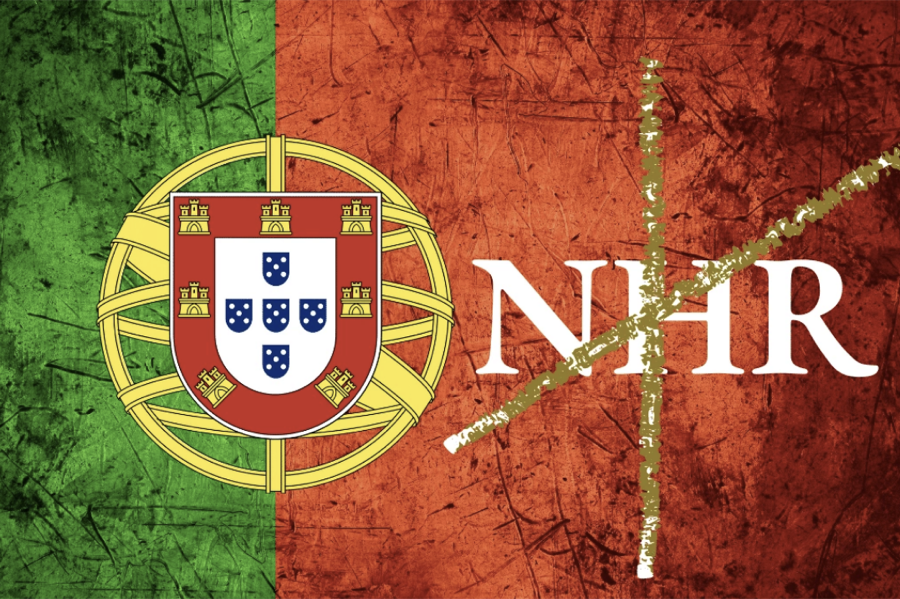
Portugal’s tax break for digital nomads, known as the Non-Habitual Resident (NHR) regime, is set to end next year.
This signals a shift in the country’s strategy to address social issues caused by the unequal tax regime and housing affordability problems.
Under this scheme, foreign workers benefit from a special tax regime, paying a flat 20% rate on income earned in Portugal.
However, the Prime Minister has recognized the negative consequences of this policy, including its impact on the housing market.
The long-term implications of Portugal’s appeal to digital nomads remain uncertain.
Key Takeaways
- Portugal’s prime minister plans to end the Non-Habitual Resident (NHR) regime, which offers a special tax regime for foreign workers becoming tax-resident in Portugal.
- The rule change may make Portugal less attractive for high-income digital nomads, potentially impacting the number of foreigners living in the country.
- The government also plans to end the golden visa program, which grants citizenship in exchange for investment, in an effort to address social issues caused by the unequal tax regime and housing affordability problems.
- The long-term impact on Portugal’s economy and its attractiveness to digital nomads remains uncertain.
The End of Portugal’s Non-Habitual Resident (NHR) Regime
The upcoming termination of Portugal’s Non-Habitual Resident (NHR) regime marks a significant shift in the country’s tax policies.
The NHR scheme, which offers a special tax regime for foreign workers becoming tax-residents in Portugal, has had a notable impact on the housing market and foreign investment.
Under the NHR scheme, high value-added professionals pay a flat 20% rate of tax on income earned in Portugal, while Portuguese residents pay income tax on a sliding scale. This unequal policy has led to the inflation of the housing market, making it more challenging for Portuguese residents to afford housing.
Additionally, the NHR regime has attracted foreign investment, particularly in the real estate sector.
With the termination of the NHR regime, it remains to be seen how this will affect the housing market and foreign investment in Portugal.
Impact on Digital Nomads in Portugal
As the tax break for digital nomads in Portugal faces an abrupt end, there are concerns about its impact on the community of high-income remote workers that have relocated to the country.
The rule change may make Portugal less attractive for these high-income digital nomads, potentially affecting the housing market and tax implications.
Thousands of digital nomads have moved to Portugal during the COVID-19 pandemic, with Lisbon being the most popular global destination for them.
The increase in digital nomads has contributed to the rise in Airbnb properties, reducing the availability of affordable housing.
Additionally, the unequal tax regime and foreign investment have led to social issues and housing affordability problems for Portuguese residents.
The government’s actions aim to balance the benefits of foreign investment with the needs of native Portuguese workers, but the long-term impact on Portugal’s economy and its attractiveness to digital nomads remains uncertain.

The Consequences of Ending the Golden Visa Program
Ending the golden visa program will have significant repercussions for foreign investment and the real estate market in Portugal.
The golden visa program, which grants citizenship in exchange for investment, has been a significant source of foreign investment, generating €7.3 billion from 2012 to 2023, with nearly 90% of investment coming from real estate.
However, the program has also contributed to social issues and housing affordability problems for Portuguese residents.
Foreign investment, particularly in real estate, has led to rising house prices and gentrification, reducing the supply of affordable housing.
The cancellation of the golden visa program may alleviate some of these issues but could also result in a decline in foreign investment, which could have economic consequences for Portugal.
Finding a balance between attracting foreign investment and addressing the housing affordability concerns of Portuguese residents will be crucial in the post-golden visa era.
Uncertainty Surrounding Digital Nomads and the D8 Visa
The looming tax and visa policy changes in Portugal create uncertainty for digital nomads. While the scope of the changes is unclear, they will likely impact nomads’ ability to live and work in Portugal in the long term.
The popular D8 visa will see adjustments, but specifics remain unknown. This uncertainty clouds the future for digital nomads in Portugal.
As the country reforms its tax and visa rules, digital nomads face an unclear path forward in maintaining their Portugal-based lifestyle.
| Uncertainties for Digital Nomads | Implications |
|---|---|
| Potential impact on digital nomads’ tax obligations | Future prospects of living and working in Portugal |
| Unclear eligibility criteria for the D8 visa | Impact on digital nomads’ financial planning |
| Lack of information on the new tax regime | Uncertainty surrounding Portugal’s attractiveness |
| Uncertain availability of tax incentives | Potential disruption to digital nomads’ lifestyle |
| Unknown long-term effects on the digital nomad community | Future prospects of Portuguese digital nomad hubs |
Implications of Portugal’s Changing Tax Regimes and Visa Programs
The planned end of Portugal’s Non-Habitual Resident (NHR) regime and the Golden Visa program will have far-reaching effects on the housing market and foreign investment.
The NHR regime, which offers a special tax regime for foreign workers, has been criticized for causing housing market distortions and social issues.
The proposed changes may make Portugal less attractive for high-income digital nomads, potentially impacting the number of foreigners living in the country.
The government’s actions aim to address housing affordability problems and strike a balance between attracting foreign investment and protecting the needs of native Portuguese workers.
The Potential Decrease in Foreigners Living in Portugal
The implications of these changes are as follows:
- Reduction in tax benefits: The planned end of Portugal’s Non-Habitual Resident (NHR) regime, which offers a special tax regime for foreign workers, may make the country less attractive for high-income digital nomads. This could lead to a decrease in the number of foreign residents who take advantage of the favorable tax rates.
- Uncertainty for digital nomads: The impact of the new rules on digital nomads and the D8 visa, which allows foreign nationals to work in Portugal, remains unclear. The lack of specific details from the prime minister’s office adds to the uncertainty and may deter digital nomads from choosing Portugal as their base.
- Addressing social issues: The government’s actions, including the end of the golden visa program, aim to address social issues caused by the unequal tax regime and housing affordability problems. However, these changes may also contribute to a potential decrease in the number of foreigners living in Portugal.
The Future of Portugal’s Economy and Its Appeal to Digital Nomads
Portugal’s planned tax changes for digital nomads could significantly impact its economy and appeal to remote workers.
The influx of nomads has fueled growth but also housing price hikes and social issues.
The tax and visa policy shifts suggest Portugal now aims to balance investment incentives with native workers’ needs.
It remains uncertain how the changes will economically impact Portugal and its popularity with nomads. However, the decision may decrease migration.
As Portugal recalibrates its approach to foreign workers, the future prospects for digital nomads in the country are unclear.
| Key Points | Digital Nomad Migration |
|---|---|
| Number of Digital Nomads in Lisbon (December 2020) | 15,800 |
| Digital Nomads from the U.S. in Portugal | Nearly half |
| Popular Destinations for Women | Lisbon |
| Popular Destinations for Men | The second most popular |
Conclusion
In closing, Portugal’s upcoming termination of the Non-Habitual Resident (NHR) tax scheme and golden visa program marks a strategic pivot to tackle social issues stemming from unequal tax policies and unaffordable housing.
These reforms may diminish Portugal’s draw for high-earning digital nomads and lead to a reduction in foreign residents.
While the country takes steps to address pressing domestic concerns, the long-term impacts on Portugal’s economy and attractiveness to location-independent remote workers remain unclear.
As the changes take effect, the consequences for the country’s future place in the digital nomad landscape will come into focus.
For now, the outlook for digital nomads who chose Portugal as a destination is uncertain as the government recalibrates its approach to foreign investment and immigration.
Frequently Asked Questions
What Is the Current Tax Rate for High-Value-Added Professionals Under Portugal’s NHR Scheme?
The current tax rate for high-value-added professionals under Portugal’s NHR scheme is a flat 20%. This scheme offers attractive benefits to foreign workers becoming tax-residents in Portugal, making it an appealing option for high-income individuals.
What Is the Current Income Tax Rate for Portuguese Residents?
The current income tax rate for Portuguese residents is on a sliding scale, ranging from 14.5% to 48%. Portugal’s tax break for digital nomads may impact the country’s economy and the number of foreigners living in Portugal.
How Many Digital Nomads Have Moved to Portugal During the COVID-19 Pandemic?
The number of digital nomads who have moved to Portugal during the COVID-19 pandemic remains uncertain. However, the impact of the tax break on the Portuguese economy and the digital nomad community is a topic of interest.
What Is the Most Popular Global Destination Among Women Digital Nomads?
The most popular global destination among women digital nomads is Lisbon, Portugal. It offers a vibrant and diverse environment, excellent infrastructure, and a supportive community. However, women who are digital nomads also face challenges related to safety, gender equality, and work-life balance in their chosen cities.
What Is the D8 Visa, and What Are the Requirements to Qualify for It?
The D8 visa is a work visa in Portugal that allows foreign nationals earning €2,800 a month to work in the country for 12 months. The application process requires meeting the income requirement and submitting the necessary documentation. The benefits include the opportunity to work and live in Portugal for a specified period.