Non KYC Crypto Exchanges: Unmasking Privacy


Last Updated on 14 January 2025
Trading cryptocurrencies often requires submitting personal identification (KYC), stripping users of their anonymity. However, privacy remains paramount in crypto.
This guide explores the landscape of non-KYC exchanges for those who prize confidentiality.
We’ll examine the benefits and risks of trading on non-KYC platforms, provide tips to mitigate associated dangers, and offer actionable recommendations on exchanges that still preserve trader anonymity.
Why Seek Privacy in Crypto Trading?
Before evaluating various non-KYC exchanges, we must address why privacy matters in crypto trading.
Preserving Anonymity
By foregoing mandatory identification requirements, non-KYC exchanges allow traders to control how much personal information they divulge.
Preventing Tracking
Submitting documentation enables third parties to link your identity to wallet addresses and track transactions. Non-KYC platforms make this more difficult.
Faster Onboarding
Without KYC delays, non-KYC exchanges facilitate rapid account creation and onboarding.
Of course, confidentiality comes with increased risks.
The Perils of Privacy
Trading on non-KYC exchanges poses meaningful dangers, including:
Heightened Security Vulnerabilities
By relying less on user identification, non-KYC platforms can become more susceptible to fraud, hacking, and theft.
Regulatory Crackdowns
Governments often pressure non-KYC exchanges to increase compliance requirements, undermining their commitment to privacy.
Loss of Account Access
Should you lose login credentials, non-KYC exchanges have fewer account recovery options, given their limited user information.
Now let’s explore best practices for mitigating these risks while still preserving anonymity.
Mitigating Non-KYC Risks
If trading on non-KYC exchanges, we recommend:
- Diversifying assets across several platforms to avoid a single point of failure.
- Enabling maximum account security settings on each exchange. This includes two-factor authentication and IP address whitelisting.
- Storing the majority of holdings in private, offline hardware wallets. Non-KYC platforms should only facilitate active trading.
- Closely monitoring regulatory developments impacting key exchanges. Prepare contingency plans should an exchange strengthen identification requirements.
While precautions are prudent, non-KYC exchanges still serve a valuable purpose for crypto traders who prioritize privacy.
Recommended Non-KYC Platforms
Based on factors like security, regulatory stability, and user features, we suggest these leading non-KYC exchanges:
Blofin: Our favorite option for Perp trading!
BloFin has quickly become a standout for perpetual trading enthusiasts in 2025, offering a seamless, non-KYC trading experience with advanced features that rival the giants.
With over 300 perpetual swap contracts and up to 150x leverage, BloFin empowers traders to maximize opportunities in a volatile market. Its user-centric approach shines through tools like trading bots, copy trading, and a comprehensive demo mode, making it ideal for those eager to refine their strategies.
Add to that robust security measures and an innovative rewards system, and it’s clear why BloFin is redefining advanced trading for the crypto community.

Phemex
Offering up to 100x leverage on derivatives trades, Singapore-based Phemex stands out for its user-friendly interface. With fast transaction speeds and 24/7 customer support, it appeals to novice and advanced traders alike.

Apex
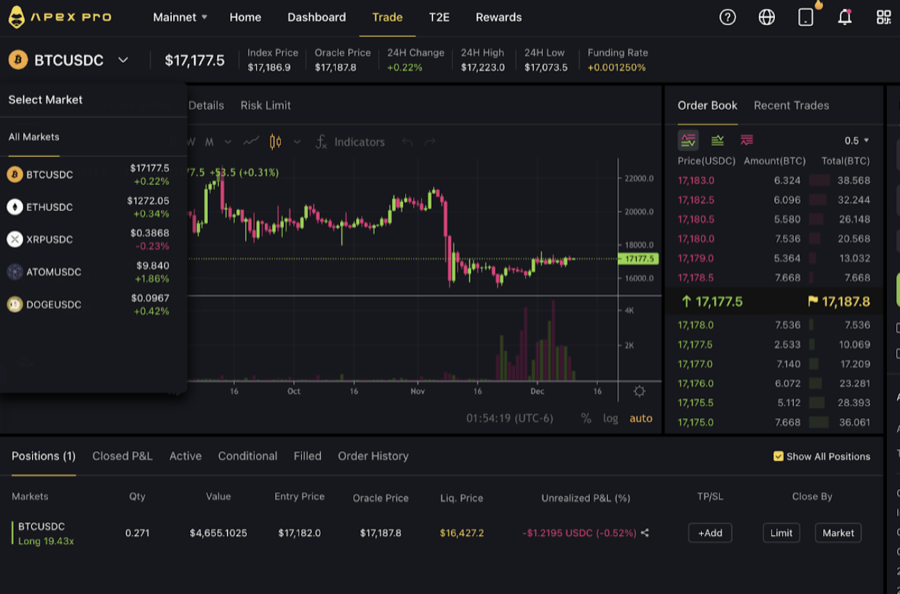
This Ethereum-based decentralized exchange from Bybit provides a trustless, non-custodial environment ideal for leveraged trading across multiple networks. There are not a lot of pairs available, and the UX is weird at times, but this is a decent option.
MEXC
Boasting low fees and a vast selection of altcoins, MEXC facilitates millions in daily crypto trading without mandatory KYC. Users can access features like P2P transactions, crypto savings products, and leveraged ETFs.

Coinex
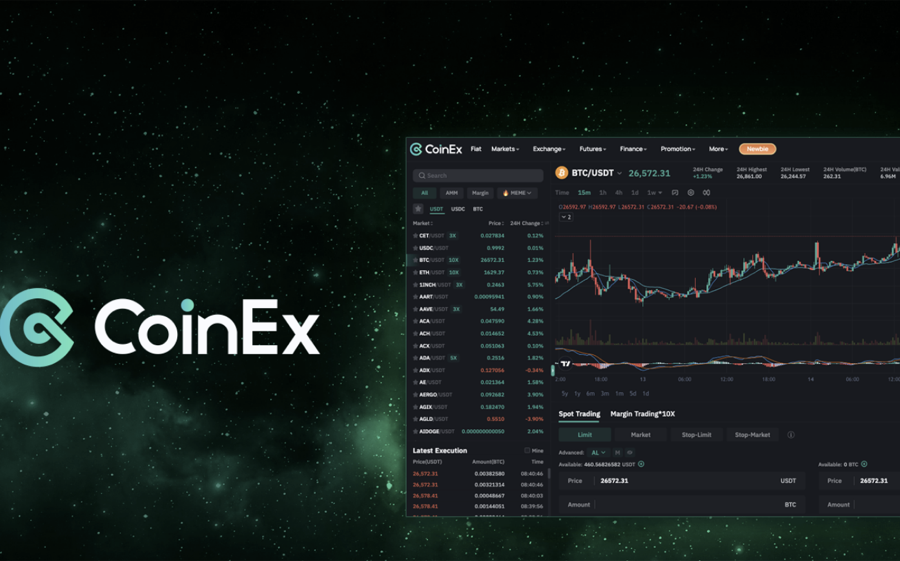
Prioritizing security and customer service, Coinex offers a solid range of trading pairs. For traders who value safety alongside privacy, Coinex is a leading choice.
Bybit (Until May 2023)
Bybit currently enables non-KYC trading but will require user identification starting in May 2023. In the interim, it remains among the most fully-featured non-KYC derivatives platforms.
In Closing: Evaluate Tradeoffs
Ultimately, traders must weigh the benefits and risks of non-KYC exchanges given their personal priorities and risk tolerance.
While these platforms preserve the coveted anonymity in crypto finance, they can also introduce volatility surrounding security and regulation. Approaching non-KYC trading with eyes wide open is key.