Moving To Vietnam: A Comprehensive Guide For Expats


Last Updated on 26 December 2024
Embarking on an international move can stir a cocktail of exhilaration and anxiety, especially when the destination is as culturally rich and vibrant as Vietnam.
With its tapestry of bustling cities, tranquil countryside, and delectable cuisine, it’s no wonder this Southeast Asian gem is drawing expats from around the globe.
I bring to this guide years of firsthand experience navigating Vietnam’s winding streets and thriving expat communities, offering you not just tips but tried-and-true insights for making your transition smooth.
Vietnam unravels a world where modernity meets tradition; where towering skyscrapers cast shadows over ancient temples – an alluring contrast that captivates many who choose to call it home.
As you ponder the life awaiting in Ho Chi Minh City’s dynamic pulse or Hanoi’s serene lakeside vistas, remember: Vietnam isn’t just a place to live; it’s an endless adventure to embrace.
Ready for the journey? Let’s uncover what makes moving here not merely feasible but also deeply fulfilling…
Key Takeaways
- Before moving to Vietnam, get your visa from a Vietnamese embassy or consulate.
- In big cities like Ho Chi Minh City and Hanoi, there are expat – friendly areas with affordable housing.
- Learning basic Vietnamese phrases helps in making friends and understanding the culture.
- To work in Vietnam, make sure you have the right work permit and understand tax laws.
- Health care includes public and private hospitals; get health insurance for comprehensive coverage.
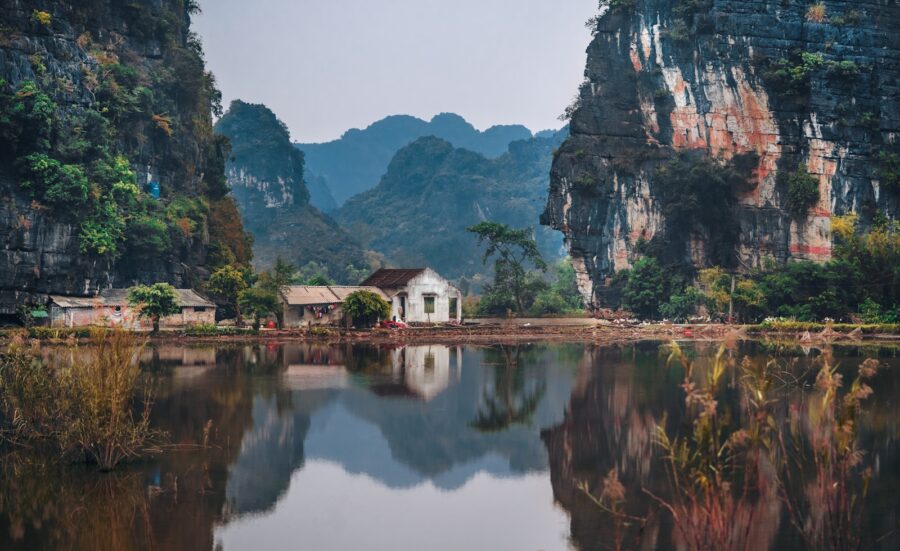
Moving to Vietnam
Vietnam welcomes many expats each year, drawn to its vibrant culture and low cost of living.
Before you pack your bags, it’s crucial to sort out your visa.
Americans should apply for a visa through the nearest Vietnamese embassy or consulate before arrival.
Once in Vietnam, you can choose to live a very comfortable life in popular cities like Ho Chi Minh City, Hanoi, or Da Nang.
These bustling hubs are full of expat-friendly neighborhoods where meeting new friends is easy.
Finding a place to call home takes some research.
Look online or tap into expat communities for leads on good housing options.
Renting can be quite affordable compared to many Western countries—just another reason why relocating to Vietnam is so appealing for foreigners seeking adventure and new experiences abroad.
Just remember that embracing local customs and learning even a bit of the Vietnamese language will enrich your stay immensely, helping you truly feel part of this dynamic society.
Living in Vietnam: What to Expect as an Expat

Stepping into life as an expat in Vietnam comes with its unique set of adventures and challenges, from navigating new social customs to managing daily expenses.
You’ll find the nation’s vibrant culture and affordable lifestyle are just as inviting as the warm climate—yet it pays to come prepared for the nuances of your new home away from home.
Safety and security
Vietnam is generally a safe country for expats to live and work.
Cities like Ho Chi Minh City, Hanoi, and Da Nang see millions of tourists each year.
This means the local police are used to keeping these areas secure for foreigners.
Petty crimes like pickpocketing can happen in crowded places.
Always watch your belongings and stay aware of your surroundings, especially on busy streets.
Motorbike theft is common, so lock up your bike well if you own one.
For serious issues, contact the local authorities—they’re there to help! It’s smart to follow the advice of expat communities online too; they often share safety tips based on their experiences living in Vietnam.
Stay informed about any travel warnings or updates from the Vietnam Immigration Department as well.
Cost of living
As you find your feet in this new environment, turning your attention to finances is key.
Life here comes with a moderate price tag—less than what many are used to back home.
Groceries won’t break the bank and dining out can be cheaper than cooking at home sometimes.
Renting an apartment or house offers even more savings, particularly if you venture outside buzzing cities like Hanoi or Ho Chi Minh City.
You’ll see that stretching your dollars, euros, or pounds is easier here.
Everyday items and services come with smaller price tags which means more adventures and experiences for less money.
Whether it’s savoring local street food or hopping on a motorbike taxi to explore, living costs in Vietnam let you enjoy life without draining your wallet.
Language and culture
Vietnam’s culture is rich with traditions and customs. Understanding these can make your experience as an expat much more fulfilling.
You’ll find that the Vietnamese people have strong family values and a deep respect for hierarchy.
Festivals and holidays are big here, so get ready to join in on celebrations like Tet, the Lunar New Year!
It helps a lot if you learn some Vietnamese language.
Even basic phrases can go a long way in making friends and showing respect for local ways of life.
Most importantly, speaking the language can help you become a part of the community faster.
So start practicing your “xin chào” (hello) and “cảm ơn” (thank you)!
Finding Accommodation in Vietnam

Discovering the perfect home away from home in Vietnam is an adventure in itself, with a myriad of options from bustling city high-rises to tranquil beachfront villas – delve into our guide and uncover the secrets to securing your ideal expat haven.
Where to find expat-friendly areas
Expat-friendly areas are easy to find in Vietnam’s major cities.
Ho Chi Minh City, Hanoi, and Da Nang welcome many foreigners.
Look for districts with international schools and restaurants that serve diverse cuisines.
These places often have a strong community of expats where you can feel at home.
Facebook groups and real estate websites provide up-to-date information on these hotspots.
Local forums are also great resources to learn from other expats’ experiences.
With their help, you can pinpoint neighborhoods that match your lifestyle and needs.
Costs of renting
Renting a place in Vietnam is a big part of your move.
You can find houses or apartments with the help of local agents, online sites, or expat groups.
Cities like Ho Chi Minh City, Hanoi, and Da Nang offer many choices.
But, each city has different prices for rent.
Make sure to think about how much you’ll spend on renting before you plan your budget.
You might pay less outside the big cities.
Still, even in popular areas, you can find good deals if you look around and talk to other expats.
Rent often includes some bills but always check what’s covered.
That way, you won’t be surprised by extra costs later!

Visas, Jobs, and Working in Vietnam
Navigating the visa landscape and diving into Vietnam’s job market can be a complex venture, but with the right guidance, expats will find a world of opportunity awaiting them—stay tuned for insider tips to unlock your work potential in this vibrant country.
Visa requirements and processes
You’ll need a visa to enter Vietnam. Make sure you get it before your trip starts.
Head to the Vietnamese Embassy or Consulate in the US to apply.
They offer different types of visas depending on how long you plan to stay.
For a short visit, choose a tourist visa.
If you want to live and work in Vietnam, look into business or work visas.
Thinking about staying long-term?
Apply for a temporary residence card once you’re there.
Permanent residence cards are also an option if you’re settling for good.
These steps can seem big, but they’re important for moving smoothly and legally.
Remember, always check the most current information as visa laws can change.
Job opportunities for expats
Vietnam is growing fast, and so are job chances for expats.
Teaching English is a big opportunity, especially in cities like Hanoi and Ho Chi Minh City.
If you have skills in IT, finance, or marketing, you could land a good job too.
Companies often look for foreigners to bring new ideas.
Make sure you have a work permit — it’s the law if you want to work here. With the right permits, life in Vietnam can be exciting and rewarding.
Just imagine diving into this vibrant culture while earning a living!
Up next: Opening a bank account and paying taxes might seem tough but don’t worry; we’ve got some tips for you.
Opening a bank account and paying taxes
Expats in Vietnam can choose from international banks or local options for their banking needs.
Opening a bank account is straightforward, and you’ll usually need your passport, a visa valid for at least six months, and sometimes proof of employment or a residence address.
You might also find that some banks offer services in English.
Paying taxes doesn’t have to be tough.
As an expat working in Vietnam, you’ll pay income tax based on your earnings.
The rate ranges from 5% to 35%. Keep track of tax requirements by consulting with a local accountant who understands the system.
They can help you navigate deductions and any tax treaties between Vietnam and your home country to avoid double taxation.

Health Care and Education in Vietnam
Navigating the healthcare landscape in Vietnam as an expat can be both reassuring and surprising—while the country boasts a variety of medical services, understanding your options ensures you get the best care possible.
For families with kids, finding suitable education is crucial; fortunately, Vietnam’s international schools offer diverse curricula that align with global standards, making the transition smoother for young learners.
Health care options for expats
Health care in Vietnam is on the rise, offering quality services at an affordable cost.
Expats have access to both public and private hospitals across the country.
Many prefer private facilities for their modern equipment and English-speaking staff.
Health insurance is a must-have for covering medical expenses. It’s wise to choose a plan that provides comprehensive coverage.
Vietnam’s ambulances are privatized, so it’s important to know your options in case of emergency.
Mental healthcare services might be harder to find as this area is less developed.
Researching hospitals and clinics near your home can give you peace of mind. Make sure doctors understand your health needs before problems arise.
With preparation, expats can navigate Vietnam’s growing healthcare system with confidence.
Schools for children of expats
Just like health care services, education is a top priority for families.
Vietnam offers excellent international schools for expat kids. These schools focus on English and give students a strong education.
Families can find these great schools in big cities like Ho Chi Minh City, Hanoi, and Da Nang.
Many of these international schools offer more than just learning—they also take good care of their students’ health.
If you move your family to Vietnam, looking into these schools is smart.
Your children can learn and stay healthy all in one place!
Settling into Life in Vietnam
Once you’ve navigated the initial hurdles of your journey, settling into life in Vietnam reveals a rich tapestry of cultural experiences and everyday adventures.
It’s about finding your rhythm in the local lifestyle, from mastering the art of market haggling to embracing the hum of city streets or the tranquility of rural landscapes—each day is an opportunity to weave yourself into the vibrant fabric of Vietnamese society.
Cultural norms and customs
Understanding Vietnamese culture is key for expats.
Respect and politeness matter a lot in social interactions.
Remember to take off your shoes when entering someone’s home.
It’s also polite to give and receive things with both hands.
Vietnamese people value family and community deeply.
During meals, older folks are served first as a sign of respect.
Learn some basic Vietnamese phrases—it shows effort to blend in and makes daily life easier.
Dress modestly, especially when visiting temples or rural areas.
Public displays of affection aren’t common here, so it’s best to be conservative in gestures too.
Festivals are big in Vietnam! Joining these events can be fun and eye-opening. You’ll learn lots about the country’s history and traditions this way.
Remember that Vietnam is a socialist republic – this shapes many customs you’ll see around you.
Being aware of these elements helps avoid misunderstandings while living as an expat here.
Enjoy the vibrant street markets but know how to haggle politely!
Sellers expect it, but always keep it friendly.
Celebrate Tet, the Lunar New Year – it’s like Thanksgiving, Christmas, and your birthday all rolled into one giant festival!
Patience goes a long way during cultural adjustments after international moving experiences—especially if planning to stay in Vietnam long-term!
Safety precautions
Learning about cultural norms helps you blend in, but staying safe is just as important.
Always lock your doors at night and be careful with personal belongings when out in busy areas.
Use common sense, especially on crowded streets or in tourist spots where pickpockets might lurk.
Keep emergency numbers handy and know the location of your country’s embassy.
In case of health emergencies, remember that Vietnam has both public and private hospitals to help you.
Make sure your health insurance covers medical expenses here.
Stay alert during rainy season; streets can flood quickly!
Conclusion
Moving to Vietnam opens up a world of experiences.
Picture bustling cities, tranquil countryside, and friendly locals all waiting for you.
Getting the right visa is your first big step.
Find a home in expat-friendly areas like Ho Chi Minh City or Hanoi without hassle.
Jobs are out there – teaching English or working in tech.
Plus, with affordable healthcare and schools, your family will be well taken care of.
So pack your bags and get ready for an adventure in Vietnam – where new stories begin every day!
Frequently Asked Questions
What do I need to know about moving to Vietnam?
Moving to Vietnam requires a visa, and you might need a work permit if you plan to get a job there. Healthcare in Vietnam is accessible for expats, and many destinations are welcoming.
Can I live in Vietnam as a digital nomad?
Absolutely! Many foreign nationals find the affordable cost of living and vibrant cities like Nha Trang ideal for digital nomads residing in Vietnam.
Is it easy to find an international moving company to help me relocate?
Yes! There are many moving companies specializing in helping people move internationally; just contact us for recommendations on reliable services.
What’s the first step I should take if I want to move to Vietnam?
The first thing you’ll need is information on how to obtain a visa suited for your stay—whether it’s short-term or longer—and this guide can help with that!
Are there any downsides of moving to live in Vietnam?
While life here can be incredible, some cons might include adjusting to new cultural norms or navigating through lesser-known tourist areas—but don’t worry, our comprehensive guide offers solutions!
How much money would I likely use per month while living in Vietnam?
Living costs vary by city, but generally speaking, with a moderate budget measured in USD, expats often enjoy a comfortable lifestyle without breaking the bank.