Essential Guide For Moving To Sri Lanka: Tips, Schools, And Expat Life Insights

Last Updated on 1 January 2025
Welcome to the enchanting island of Sri Lanka—where ancient traditions meet modern living and diverse cultures intertwine under the warmth of a tropical sun.
If you’re contemplating a move to this beautiful corner of the Earth, you may be wondering about everything from finding a home to navigating local customs.
With an increasingly cosmopolitan vibe, particularly in cities like Colombo, many people are now choosing Sri Lanka as their new haven for its serene beaches, cultural richness, and burgeoning opportunities.
I’m here to guide you through this pivotal transition with insights drawn from extensive firsthand experience living and working in Sri Lanka’s expat hubs.
This essential guide is tailored for those seeking not just to move but to thrive amidst the vibrant landscapes and spirited communities that define this nation.
The pearl of the Indian Ocean boasts a high literacy rate—a testament to its dedication towards education—and promises a fulfilling lifestyle for those ready to embrace it.
Key Takeaways
- Sri Lanka offers a warm climate, diverse cultures, and a high literacy rate.
- Expats enjoy a range of activities from beach BBQs to cultural festivals.
- Schools offer various curriculums including free public education and international programs.
- Understanding local transportation is important for getting around easily.
- The visa process requires determining the right type and following application steps.
Welcome to Sri Lanka
Sri Lanka, the gem of the Indian Ocean, is a place with a warm climate and friendly faces.
This tropical paradise offers scenic beaches, lush forests, and rich cultural heritage.
As the oldest democracy in South Asia, it’s home to diverse communities that include expats from across the globe.
Life here unfolds beneath skies ranging from deep blues to fiery sunsets with temperatures that stay between 17°C and 33°C all year.
Moving to Sri Lanka means joining a society where nearly everyone reads and writes – an impressive literacy rate of about 93%.
Whether walking through Colombo’s colonial streets or sipping tea in hillside gardens, newcomers quickly feel at home.
With Italians sharing meals with Germans and Australians meeting Canadians for cricket matches, there’s always something familiar mixed with exciting new experiences.
Why people are moving to Sri Lanka
People are packing their bags for Sri Lanka, drawn by its long life expectancy and vibrant expat community.
The allure of a tropical paradise, complete with stunning beaches and rich culture, is hard to resist.
Many find comfort in the growing number of global partners and like-minded individuals who call this island home.
Digital nomads, remote workers, and online entrepreneurs discover that living in Sri Lanka offers a balanced lifestyle — blending work with the leisurely pace of island life.
They enjoy modern amenities while exploring ancient temples or surfing on pristine shores after work.
Plus, the cost of living allows them to maintain a comfortable lifestyle without breaking the bank.
What to expect in this guide
This guide is your ticket to a smooth move to Sri Lanka.
It covers everything from city living to the tropical climate.
You’ll learn about visa processes, job markets, and where expats hang out.
Find out what makes Sri Lankan culture unique and how to respect local customs.
Get tips on schools for your kids and staying safe.
Understanding transportation will help you get around easily.
We’ll share insights into navigating daily life in this beautiful island nation off India’s south coast.
Ready for an adventure?
Let’s dive into life in Sri Lanka!
Next up: Relocating to Sri Lanka—popular destinations and job opportunities await!
Relocating to Sri Lanka

Considering a move to the gem of the Indian Ocean?
Sri Lanka beckons with its lush landscapes and vibrant culture, presenting an alluring mix of opportunities for those seeking a change in scenery or chasing new professional horizons.
Popular destinations
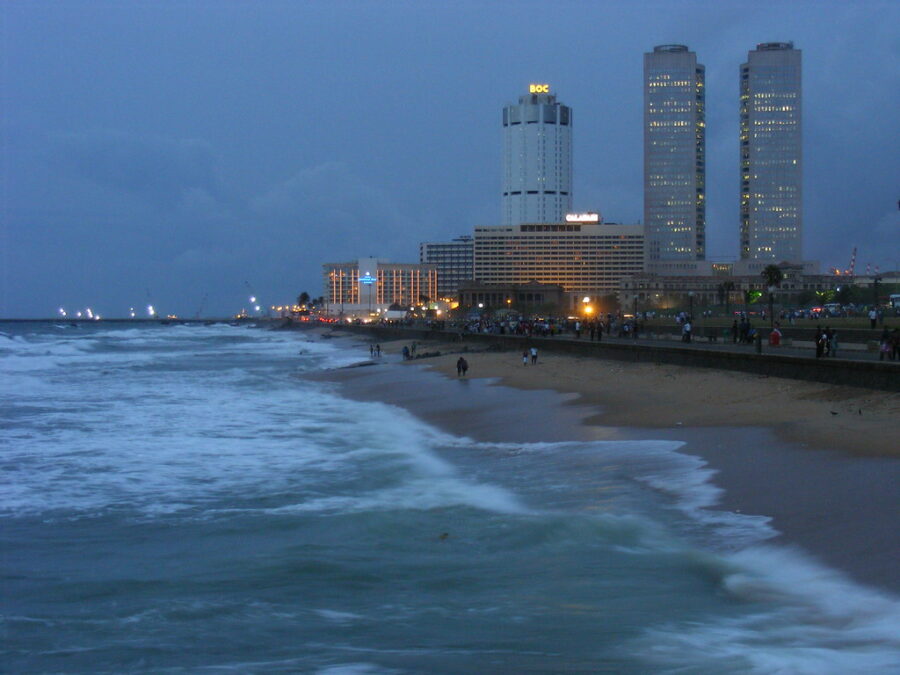
Colombo buzzes with energy and is the hub for business, entertainment, and dining out.
Many expats choose this lively city for its array of job opportunities and modern amenities.
Kandy offers a more laid-back vibe amidst hills and cultural landmarks.
Down south, Galle charms visitors with its colonial architecture and seaside setting.
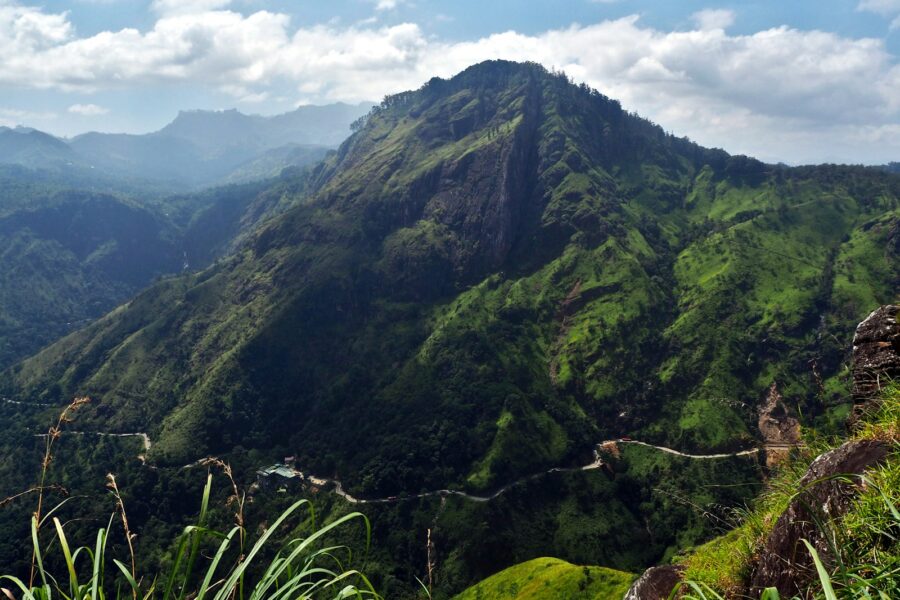
Nature lovers often head to Nuwara Eliya—Sri Lanka’s tea country—with its cool climate and lush landscapes.
Beach towns like Unawatuna attract those looking to soak up the sun by day and enjoy coastal vibes in the evening.
And let’s not forget Galle Face Green in Colombo—a favorite spot to watch some matches or join locals in enjoying a sea breeze.
Job opportunities
Sri Lanka’s job market is buzzing with opportunities for expats.
The nation has seen a rise in foreigners moving to its cities, especially Colombo, for work.
These newcomers often find jobs in healthcare, tourism, and hospitality—sectors thriving due to the country’s focus on safety and good health facilities.
Networking within various expat communities unlocks doors across diverse industries.
Transportation is key in Sri Lanka, with most travel happening on the roads; this creates demand for roles in developing infrastructure.
The education sector also beckons since the state guarantees free schooling for children over nine years old.
And don’t forget about railways—the system may be old but it still needs skilled hands to keep it running smoothly.
Whatever your expertise, there’s likely a place for you here!
The Land and Its People

Sri Lanka is a tapestry of lush landscapes and vibrant traditions, an island where smiling faces greet you at every turn.
Delve into the heart of this nation, exploring how its geography shapes the culture—your journey through Sri Lanka’s soul begins here.
Geography
Sri Lanka sits like a gem in the Indian Ocean, just off India’s southern coast.
This tropical paradise boasts lush green landscapes and a coastline kissed by the sun.
The island nation is home to rolling hills, verdant plantations, and sandy beaches that stretch for miles.
With its varied elevations, travelers can experience everything from warm sunny shores to cool misty highlands.
The climate changes depending on where you are on the island; it’s hot and humid by the beaches but cooler up in the hill country.
Monsoon winds bring heavy rainfalls that transform the scenery into vibrant shades of green.
Roads wind through scenic routes, leading adventurers from ancient cities to secluded hideaways nestled within nature’s embrace.
Three airports link Sri Lanka with the world while charming old trains chug along British-built tracks, offering breathtaking views of countryside and coast.
Culture and customs
Sri Lanka thrives on a rich tapestry of traditions shaped by Buddhism, Hinduism, and other beliefs.
Almost 70% of the population follows Buddhism, bringing colorful festivals and serene temples to life across the island.
You’ll find people here welcoming and keen to share their heritage—from vibrant religious ceremonies to daily rituals that reflect a deep respect for community and family.
Understanding local customs will help you settle in with ease. Learn to greet folks with “Ayubowan,” meaning “long life,” a sign of goodwill used widely.
Dress modestly when visiting sacred sites; shoulders and legs should be covered.
Always remove your shoes before entering someone’s home or place of worship—it’s a mark of respect deeply rooted in Sinhalese and Tamil culture.
Dive into this cultural mosaic, enjoy spicy curry feasts, learn the artful draping of a sari or sarong, and witness the graceful moves of traditional Kandyan dancing—a feast for the senses awaits!
Safety and security
Sri Lanka’s low crime rate makes it a secure destination for families and solo expats alike.
You can walk through its bustling markets or relax on tranquil beaches knowing that good healthcare facilities are always within reach.
The police work hard to keep streets safe, ensuring traffic laws are followed and public order is maintained.
Expat communities in the country often come together to share safety tips and look out for each other.
Whether you’re living in a sleepy coastal town or a lively urban center, there’s a sense of trust here.
With districts well-governed and peace of mind regarding personal security, settling into your new home is all about embracing the local lifestyle with confidence.
Visa and Residency
Navigating the visa and residency requirements in Sri Lanka is a crucial step for any hopeful expat—knowing which paperwork to fill out and the legal hoops to jump through can make all the difference.
We’ll delve into what you need to secure your Sri Lankan dream, from tourist visas that let you explore paradise, to resident permits allowing you to stay long-term amidst its wonders.
Types of visas
Sri Lanka offers a variety of visas for visitors and potential residents.
Each visa type caters to different needs, from tourism to long-term stays.
- Tourist Visa: This short-term visa is perfect for those looking to explore or vacation in Sri Lanka. Most tourists get an Electronic Travel Authorization (ETA) before arrival, which allows them to stay up to 30 days.
- Business Visa: Professionals coming for work-related activities should apply for this visa. It’s designed for short visits, such as attending meetings or conferences.
- Transit Visa: If you’re passing through Sri Lanka on your way to another destination and will be staying less than 48 hours, the transit visa is what you need.
- Resident Guest Scheme Visa: This type of visa suits foreign nationals who plan to make a long-term investment in the country. It grants a longer stay and comes with certain financial requirements.
- Employment Visa: For those who have secured a job in Sri Lanka, the employment visa is essential. Your employer usually helps with the application process.
- Student Visa: Ideal for international students enrolled in educational institutions in Sri Lanka, this visa covers the duration of your academic program.
- Dependents Visa: Family members of those holding valid Sri Lankan visas can apply for a dependents visa, allowing them to live together in the country.
How to apply
Applying for a visa to Sri Lanka requires careful steps.
Here’s your essential guide to get you started.
- Determine the type of visa you need: Check if you’re coming for work, tourism, or business.
- Gather all required documents: Prepare your passport, photos, and any other paperwork.
- Visit the official ETA website: Find the Electronic Travel Authorization (ETA) portal online.
- Complete your application form: Fill out every section with accurate information.
- Pay the application fee: Use a credit card to pay securely on their system.
- Keep an eye on your email: They’ll send you an update about your ETA status.
- Have documents ready upon arrival: Carry printed copies of your ETA and passport.
- Follow up if needed: If you don’t hear back, contact their customer service for help.
Residency requirements
Once you’ve nailed down the visa application process, getting a grip on residency rules is your next step.
Living in Sri Lanka full-time means understanding what the government expects from expats.
You’ll need to check with the Department of Immigration & Emigration since they handle all visa services.
They can tell you about different kinds of stays and what paperwork you’ll need.
For long-term life here, there are specific types of resident visas available.
Expats must qualify under a category such as employment, investment or family ties.
Each category has its own rules and requirements for you to stay legally in Sri Lanka.
Make sure to have all your documents ready and follow every step carefully to enjoy your new life without any legal hiccups!
Expat Life in Sri Lanka
Expat life in Sri Lanka offers a vibrant tapestry of culture, camaraderie, and tropical beauty — let’s dive into what makes this island nation a truly unique home away from home.
Activities and events for expats
Living in Sri Lanka offers expats a vibrant array of activities and events.
From beach hangouts to cultural festivals, there’s something for everyone.
- Beach BBQs and Parties: Many expat groups organize get-togethers on the island’s stunning beaches. Enjoy grilled seafood, music, and sand under your feet.
- Cultural Festivals: Experience local traditions at events like the Esala Perahera in Kandy. These festivals showcase dancers, drummers, and decorated elephants.
- Networking Events: Join InterNations or local expat clubs to meet other foreigners. They often host networking nights in trendy bars or restaurants.
- Sports Clubs: Stay active by joining a cricket, rugby, or surfing club. Expats and locals come together to play and watch sports.
- Cooking Classes: Learn how to make traditional Sri Lankan dishes. Cooking experts teach you right from picking fresh ingredients to cooking them up.
- Language Exchange Meetups: Pair with a local language partner to learn Sinhala or Tamil while teaching English.
- Charity Work: Give back by volunteering at orphanages, schools, or environmental programs. It’s a great way to connect with the community.
- Art Galleries and Exhibitions: Discover Sri Lankan art at local galleries. Many have special openings just for expats living in Sri Lanka.
- Wildlife Safaris: Organize trips with fellow adventurers to national parks like Yala or Udawalawe and spot leopards, elephants, and more.
- Yoga Retreats: Unwind at one of the island’s serene yoga retreats. They’re perfect for relaxation and meeting like-minded expats.
Local communities
Along with the lively events, expat life in Sri Lanka is rich thanks to diverse local communities.
You’ll find groups of Brits, Indians, Americans, Germans, Australians, and more living here.
These international pockets offer a slice of home and a place to share experiences.
Step into Colombo’s expanding scene where new faces from all over the world connect through business or social gatherings.
Here you can join clubs that bring together people who love books, photography or outdoor adventures.
Finding support and friendship is easy within these vibrant circles that welcome newcomers with open arms.
Tips for making friends
Making friends in a new country can be fun and exciting.
Join events and groups for expats to meet people who share common interests.
You’ll find that many are looking to make connections just like you.
Social media is also a great tool for connecting with other expats.
Look for Facebook groups or online forums where newcomers gather to exchange tips about living in Sri Lanka.
Taking part in local activities helps bridge the gap between cultures.
Learn a few phrases in Sinhala or Tamil, and don’t be shy to strike up conversations with your neighbors or co-workers.
Sharing experiences about adjusting to life in Sri Lanka can create strong bonds of friendship quickly.
Always have an open mind; friendships here often form over shared adventures and mutual support through the ups and downs of expat life.
Schools in Sri Lanka
As you settle into your new life in Sri Lanka, finding the right educational environment for your children becomes a top priority.
With a blend of local and international institutions, each school promises unique philosophies and curricula—let’s explore what this tropical island has to offer for your family’s academic journey.
Types of schools
Sri Lanka offers a diverse range of schools for families moving to the island.
Here’s what you need to know about the education options available to your children:
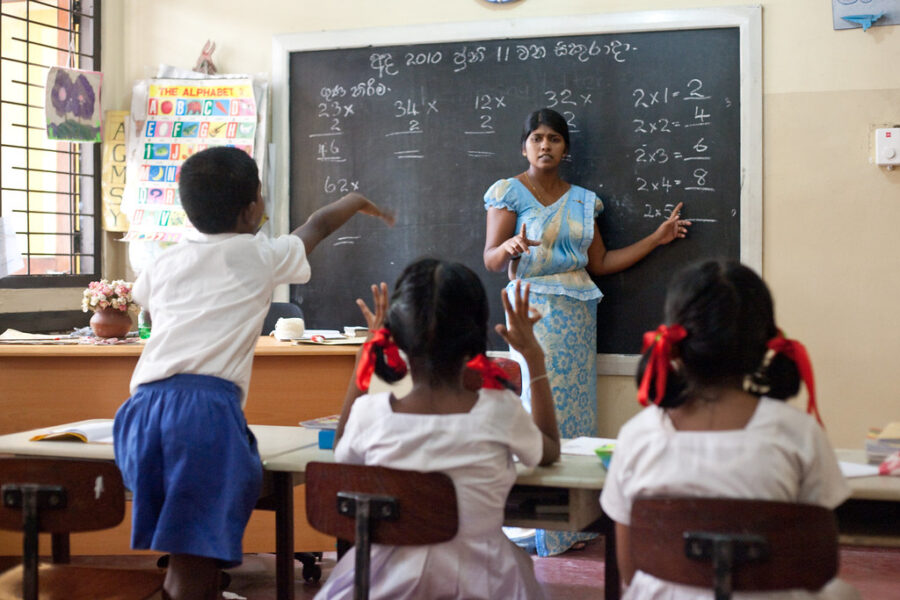
- Public Schools: These schools are free and attended mostly by local Sri Lankan children. They follow the national curriculum, which focuses on Sinhala, Tamil, math, science, and social studies.
- International Schools: Catering mainly to expat families, these institutions offer international curriculums such as the International Baccalaureate (IB), British GCSEs, or American standards. They provide a high quality of education and feature modern facilities.
- Private Schools: These schools charge fees but tend to be less expensive than international schools. They might offer a mix of the national curriculum and additional subjects more familiar to expat students.
- Montessori and Alternative Education Systems: Some parents prefer alternative educational methods for their kids. Montessori schools promote hands-on learning and independence among young children.
Cost of education
While exploring different types of schools, it’s crucial to consider the cost.
Education expenses in Sri Lanka can vary widely. Public schools offer free education from age nine and up — this is a big relief for families!
But if you’re eyeing international or private schools, be ready for higher fees.
These institutions often provide more resources and extracurricular activities.
Parents should budget for school costs carefully. International school fees might include tuition, books, uniforms, and additional charges like transportation or club memberships.
It pays to compare schools and ask about all possible expenses to avoid surprises later on.
Remember, investing in your child’s education can greatly impact their future opportunities in Sri Lanka.
Popular schools for expat children
Sri Lanka offers a variety of schools for expat children.
Choosing the right school is key to helping your kids settle in quickly.
- International Schools: These schools follow international curriculums, such as the International Baccalaureate (IB) or the British GCSE and A-levels. They’re great for continuity if you move often. Many are located in Colombo, like the Colombo International School and Elizabeth Moir School.
- Private Schools: They provide high-quality education with diverse programs. The fees tend to be higher than public schools. Gateway College stands out as a popular choice for its modern approach and facilities.
- Public Schools: These schools offer free education, attracting many due to their affordability. They may teach in Sinhala or Tamil, so consider language barriers. Royal College in Colombo is known for its history and academic excellence.
Essential Tips
Navigating your new life in Sri Lanka is an adventure—packed with both exciting discoveries and day-to-day logistics.
Arm yourself with these essential tips, from mastering local transport to respecting cultural nuances, ensuring you not only survive but thrive in this vibrant expat haven.
Transportation and getting around
Moving to Sri Lanka is exciting! You’ll need to know how to get around the island.
Here are the essentials on transportation in Sri Lanka:
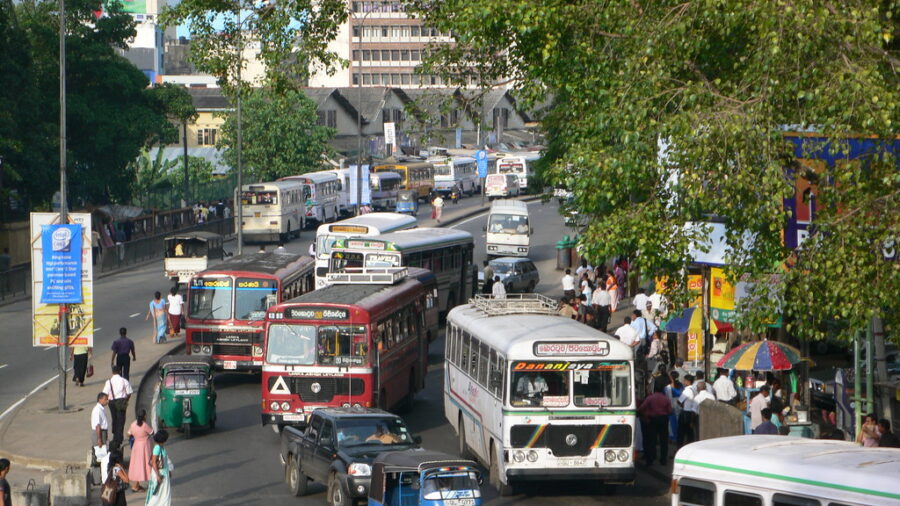
- Roads are key for travel in Sri Lanka. Buses and cars use these roads every day.
- The bus system is widespread. It includes both government-run SLTB buses and private ones.
- City life is busy, but special bus lanes help make the commute faster during rush hours.
- Three main airports serve travelers. Fly into Bandaranaike for international flights or use others for local trips.
- Trains offer beautiful rides. Some routes give you views that you can’t see from the road.
- Follow local laws to stay safe. Always look out for traffic rules and public safety measures.
Cultural norms and etiquette
Sri Lanka’s tropical climate shapes its etiquette and social customs.
Expect to greet others with a warm smile and a gentle nod of the head.
It’s polite to use titles like “Mr.” or “Mrs.” followed by their last name when addressing someone.
With Buddhists making up 70% of the population, it’s important to dress modestly, especially when visiting temples. Remove your shoes and hats as a sign of respect.
Navigating local etiquette comes naturally once you grasp basic principles.
Offer and receive items with your right hand; this shows respect in Sri Lankan culture.
Always wait for an invitation before entering someone’s home, and remember that punctuality is valued for events—being on time shows you care about others’ schedules.
Showing affection in public isn’t common here, so keep hugs and kisses private to align with cultural norms.
Shopping and finding support
Understanding cultural norms will help you shop with ease in Sri Lanka.
Markets bustle with vibrant colors and friendly chatter— it’s where locals go for the freshest produce and spices.
In the cities, modern malls offer a range of international brands.
For day-to-day needs, small shops and street vendors are everywhere.
Bargaining is common in markets but not in fixed-price stores.
Finding support as an expat is easy too. Joining communities like InterNations connects you to others who’ve moved to Sri Lanka just like you have.
They hold events where you can meet new friends from all over the world.
These groups also give valuable advice on living like a local—from finding an apartment to understanding utility bills—even tips on the best shopping spots!
Safety precautions
Finding the right support can make shopping and settling in much easier, but it’s also crucial to stay safe.
Sri Lanka is an island with a reputation for friendliness and low crime rates.
However, you should still keep your eyes open and be aware of your surroundings.
Always lock doors at home and watch your belongings when out in public.
The police here work hard to maintain security across all 25 districts.
They’re on duty to enforce laws and keep everyone safe. If you ever need help, they are there to assist you.
Remember that good healthcare facilities are available if required, but having health insurance is smart too—it ensures peace of mind while living or traveling around the country.
Conclusion
Moving to Sri Lanka can be an exciting adventure, filled with new experiences and a rich culture.
The tips provided here make the transition smoother, from understanding visa requirements to settling into local communities.
With popular destinations and job opportunities at your fingertips, you’re set for a great start.
Expat life in Sri Lanka is vibrant; join events and make friends easily.
Education for your kids is covered with various schools offering quality learning.
Remember these practical tips as they guide you through transportation, cultural norms, and safety in your new home.
Embrace the change and enjoy every moment of your journey in this beautiful country!
Frequently Asked Questions
What should I know before moving to Sri Lanka?
Before you pack your bags for this tropical island, understand the climate in Sri Lanka is quite warm, and expats enjoy a diverse culture with influences from Dutch and Portuguese history. Also remember, education in Sri Lanka is compulsory, so finding schools for kids will be essential.
How much does it cost to live in Sri Lanka per month?
The cost of living varies depending on your lifestyle; however, many expats find they can live comfortably with less than what they might spend back home—often between accommodation and other expenses.
Is it easy to find a place to stay in major cities like Colombo?
Absolutely! Whether you’re eyeing a rooftop apartment or an indoor haven away from the bustling city streets, you’ll discover plenty of options that cater to both locals and fellow million people strong expat community.
Can I expect any culture shock when coming to Colombo or other parts of Sri Lanka?
Sure thing—it’s normal when relocating! You’ll get used to new customs over time by joining communities such as the Colombo Club together with other expats who understand exactly what it’s like.
What tips do you have for getting accustomed to life as an expat in Sri Lankan society?
Get out there and mingle with both Sri Lankans and the international crowd! Embrace local traditions at festivals and events—you’ll soon feel safer knowing how friendly everyone can be around the different times of day.
Are there quality educational facilities for my children in Sri Lanka?
Yes indeed! The principal cities host award-winning private schools where education standards are quite good—ideal for ensuring your little ones continue learning while soaking up new cultures alongside a mix of Maldives-bound travelers.