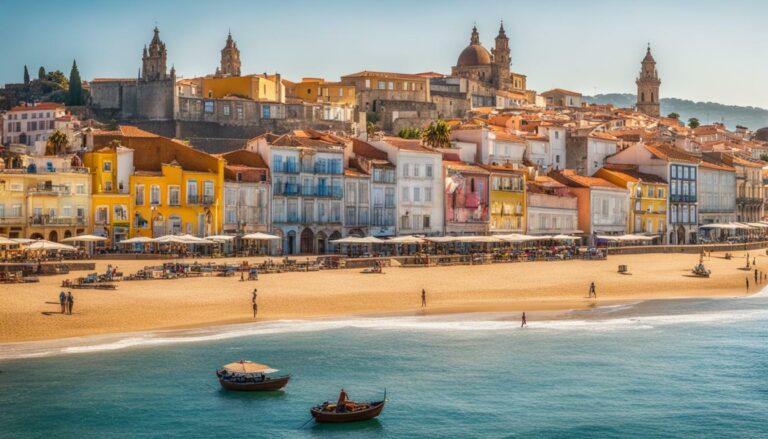
Moving To Portugal: What You Need To Know

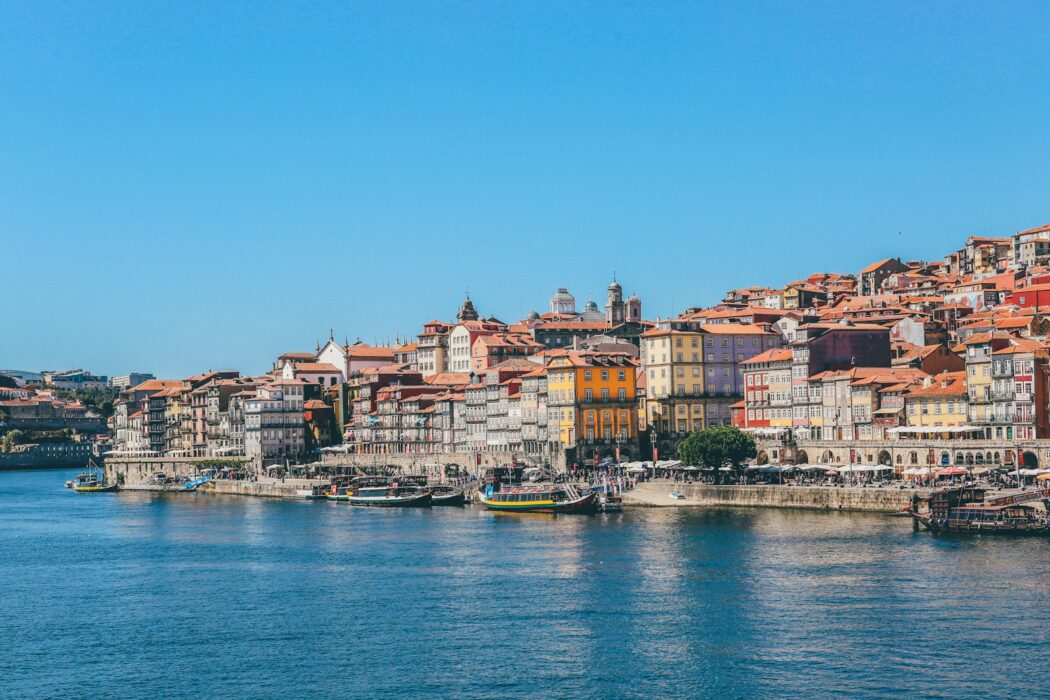
Last Updated on 28 December 2024
Moving to a new country is a bold step, full of excitement and, admittedly, some trepidation.
Portugal has become an enticing destination for many Americans seeking a change of pace or scenery, but the thought of navigating visa processes and adapting to a new culture might seem daunting at first glance.
With years of experience assisting expats in embracing the Portuguese lifestyle, we’ve got insider knowledge that demystifies these challenges.
Known for its rich history—once commanding a vast empire—and today for its diverse regions including picturesque mainland cities and enchanting islands like Madeira and Azores, Portugal offers more than meets the eye.
Portugal indeed speaks Portuguese—not Spanish—a fact sometimes overlooked but crucial in embracing local customs and daily interactions.
As we peel back layers of this coastal haven’s allure with our guide on moving to Portugal without missing a beat, you’ll discover not only practical steps but also why life here often feels like stepping into a sun-soaked dream.
Key Takeaways
- Portugal offers a rich culture, diverse geography, and a mild climate that attracts many Americans for work, study, or retirement.
- EU/EEA citizens can move to Portugal easily while non – EU citizens have several visa options including the Golden Visa program which requires an investment in the country.
- The cost of living in Portugal is lower than in the USA with affordable healthcare and housing options available.
- Education in Portugal includes both public and private schools with English taught from an early age; universities focus on deep thinking while polytechnics are more practical.
- For retirees, the D7 Visa provides a way to enjoy Portugal’s lifestyle if they have a stable passive income like pension or investments.
Quick Facts About Portugal

Nestled at the edge of Europe, Portugal is a treasure trove of rich history, diverse landscapes, and vibrant cultural tapestry — it’s no wonder it captivates those who seek adventure and tranquility alike.
From the sun-kissed beaches of the Algarve to the winding streets of historic Porto, this country offers a unique blend that promises an irresistible charm for every kind of soul.
Overview: A European country with a story to tell
Once a powerful seafaring kingdom, it left its mark all over the world in the 15th and 16th centuries.
This rich history plays out across hilltop castles, historic villages, and buzzing cities.
The land sweeps from green mountains in the North down through rolling plains to sun-kissed beaches on the Southern coasts.
The country’s beauty isn’t only in its past though; nature has been kind to Portugal too.
It boasts diverse landscapes that beg for exploration—whether you want to hike up the Estrela Mountains or soak up sun by the sea, there’s always something new around every corner.
With its structure of municipalities and civil parishes, life here can vary greatly depending on where you choose to live—but one thing remains constant: Portugal invites you into its vibrant culture wherever you go.
Climate and geography
Portugal’s weather is like a dream for many, with hot summers that draw in beach lovers.
In the winter, it stays mild, so you can explore all year round.
It even has mountains like the Estrela Range where forests and peaks touch the sky.
Each region feels different. The north gets more rain, making everything green and lush.
Down south in the Algarve, you’ll find drier lands but with plenty of sunshine.
Imagine living where you can hike in green forests or stroll on sandy beaches whenever you want—that’s what moving to Portugal offers!
São Miguel island stands out with its amazing scenery too.
Next up is finding out about visas – key if you’re planning to make this beautiful country your home.
Culture and language
Portugal’s culture is like a colorful mosaic, with pieces from various eras and places.
You’ll find influences from ancient Celts, seafaring Vikings, and Sephardic Jews in the mix.
Festivals fill the air with music and dance, while food tells a story of the sea and the soil.
People across Portugal speak Portuguese. It ties them to countries around the globe like Brazil and Mozambique.
But don’t worry if you’re not fluent yet—many locals also speak English.
They often welcome newcomers who want to learn about their customs and way of life.
Embracing local etiquette will make your move smoother and help you feel right at home.

Visa Requirements for Moving to Portugal
Navigating the landscape of immigration policy can be daunting; however, understanding Portugal’s visa requirements is essential for a seamless transition.
Whether you’re an EU national or hail from across the ocean, there’s a pathway to Portuguese residency suited to your situation — uncovering the right visa could mean swapping paperwork for pastéis de nata in no time.
EU/EEA citizens
EU/EEA citizens enjoy the freedom to move to Portugal easily.
With just a valid identity card, they can live in the country for up to three months without conditions.
After that, staying longer means getting Portuguese citizenship or a residence visa.
As an EU citizen, you have rights like any local resident.
You’ll need to meet standard conditions if you want to call Portugal home for good.
Living and working in Portugal as an EU national is straightforward—there are no special visas required.
Just make sure your paperwork is in order and register with the local authorities once you arrive.
This lets you benefit from healthcare, education, and other social services just like people born in Portugal.
Make your move smooth by understanding these rules ahead of time.
Non-EU citizens
If you’re from outside the EU and dreaming of life in Portugal, there’s good news.
Getting residency is pretty straightforward.
You must grab a residence visa or go for the exciting Portugal Golden Visa.
With either option, you can enjoy sunny beaches and tasty pastéis de nata as a resident.
To start, make sure to apply before your 90-day visa-free stay runs out.
Bring your family too—if they’re not EU citizens, they’ll need a residence card.
Get ready to show that you have no criminal record if you’re eyeing the Golden Visa.
Remember, living in this charming country is within reach; just follow these steps and get set for an adventurous new chapter!
For work, study, family reunification, retirement
Moving to Portugal opens up a world of opportunities.
Whether you’re looking for work, going to study, joining family, or retiring, Portugal offers a path for each journey.
- Work in Portugal: To work in Portugal, non-EU citizens need a work visa. This usually requires a job offer from a Portuguese employer. After getting the job offer, apply for a residence permit to live and work in Portugal.
- Studying in Portugal: Students from outside the EU must secure a study visa. You need to be enrolled in an accredited Portuguese institution. Have proof of accommodation and financial support during your stay.
- Family reunification: If you have family members already living legally in Portugal, you can join them. Apply for the family reunification visa or D6 Visa. Keep all necessary documents ready. They include proof of relationship and that the resident can support you.
- Retirement in Portugal: The D7 Visa is made for retirees and those with passive income. Show you have enough funds to sustain yourself without working. Enjoy the relatively low cost of living and high standard of living this country offers.
Golden Visa program
Once you’ve looked into options for work, study, or family reunification, consider the Portugal Golden Visa program.
This unique opportunity allows non-EU/EEA/Swiss nationals to gain residence in Portugal through investment.
You’ll need a clean criminal record and must be over 18 to apply.
The program is a ticket to the European Union, making it very attractive.
Applicants must stay in Portugal for at least fourteen days during their first two years of residency.
Investments have already brought in over 7 billion euros and helped more than 11,000 investors.
With this visa, you get visa-free access to Europe’s Schengen Area.
Plus, the average requirement is just seven days per year spent in Portugal during the five-year period.

Living in Portugal as an American
As an American, embracing life in Portugal presents a unique blend of old-world charm and modern conveniences—think cobbled streets intertwined with high-speed fiber internet.
You’ll discover that each day is a fresh opportunity to explore vibrant local cultures while enjoying the laid-back lifestyle and lower living costs the country offers.
Reasons for moving
Portugal attracts Americans with its warm Mediterranean climate and stunning beaches.
Many come for the high quality of life and affordable living costs that stretch their dollars further.
The country’s healthcare options are top-notch, offering security and peace of mind.
Friendly locals embrace newcomers into their peaceful culture, making Portugal feel like home quickly.
Strong financial reasons also draw people in — it’s often cheaper to live well here than back in the States.
With cities like Lisbon booming with expat communities, finding new friends is easy.
Popular expat cities
If you’re drawn to the idea of vibrant city life or prefer relaxing coastal vibes, Portugal offers both.
Lisbon, the buzzing capital, teems with American expats enjoying its rich history and modern amenities.
Just a short train ride away lies Cascais, where beach life meets luxury living.
Head north to Porto for a taste of authentic Portuguese charm combined with a growing expat community.
The Algarve Coast calls to those seeking sunshine and seaside serenity year-round.
Coimbra, with its esteemed university and youthful energy, is another spot Americans call home in Portugal.
Each city presents unique perks for settling down—whether it’s Lisbon’s lively neighborhoods or the Algarve’s tranquil retreats by the sea.
Differences in cost of living
Embracing a new lifestyle in Portugal could mean enjoying a more affordable daily existence.
Here’s an insightful table comparing key expenses:
| Expense Category | Cost in Portugal | Cost in the USA | Percentage Difference |
|---|---|---|---|
| Housing (Rent for 1-bedroom apartment in city center) | Significantly lower (over 50% cheaper on average) | Higher | 50%+ less in Portugal |
| Utilities (Monthly for a standard household) | Cheaper | More expensive | Lower in Portugal |
| Groceries (Basic food basket) | More affordable | Costlier | 40% cheaper in Portugal |
| Transportation (Monthly pass) | Less expensive | Higher priced | Considerably lower in Portugal |
| Healthcare (Average cost of standard visit) | Economical | Pricier | Reduced cost in Portugal |
| Restaurants (Meal for two in a mid-range restaurant) | Cost-effective | More costly | Less expensive by around 40% |
| Consumer Prices | 40% cheaper overall | Higher | 40% less in Portugal |
Amidst a picturesque setting, you’ll find Portugal’s cost-friendly environment extends well beyond housing. Utilities, often a concern, are notably less.
A basket of groceries won’t break the bank, and getting around town is surprisingly economical.
Dining out remains a pleasure, not a financial burden, with restaurant prices far more palatable than back home.
Health is wealth, they say, and in Portugal, maintaining it won’t deplete your riches.
These factors culminate in an overall consumer price index that’s impressively lower than that of the US, making Portugal a haven for those seeking a high-quality, yet affordable, life.
Portuguese culture
Portuguese culture is a colorful mosaic shaped by history.
It has deep roots in Roman Catholic traditions and a strong family focus.
Festivals, music, and dance reflect this vibrant way of life.
Portugal’s days as a great seafaring nation and its time as an empire have blended different customs into its own unique patterns.
Food plays a big part in the Portuguese lifestyle.
Families often gather for long meals with traditional dishes like bacalhau or pastéis de nata.
The arts are important too, with famous poets like Fernando Pessoa and Luís de Camões celebrated across the country.
Football is another passion that brings communities together to cheer on their favorite teams.
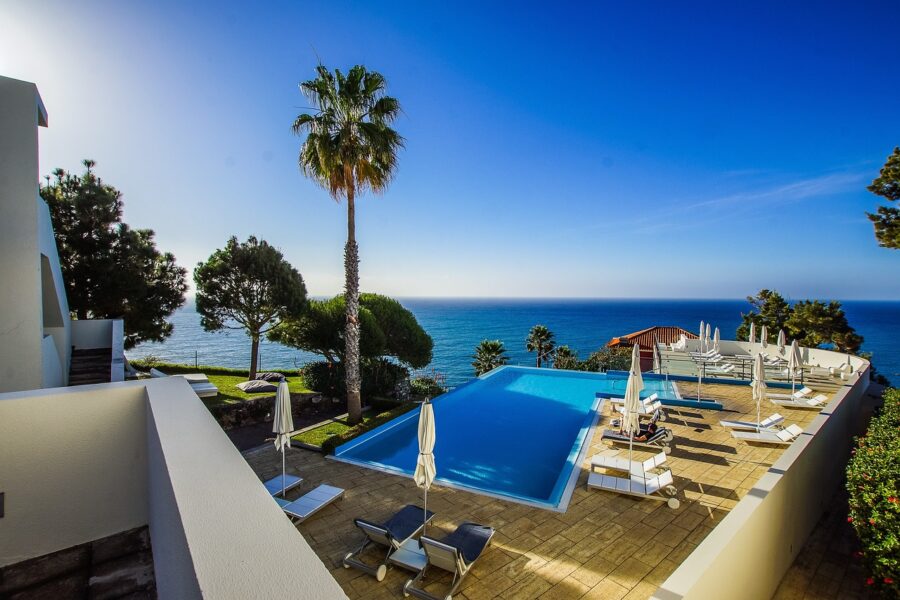
Accommodation in Portugal
In Portugal, navigating the housing market—whether you’re looking to nestle into a cozy seaside apartment or invest in a sprawling city villa—can shape your experience of settling into this inviting European destination; discover more on how to find the place that feels just like home.
Renting vs buying
Choosing between renting and buying a home is a big step when moving to Portugal.
Renting can be simpler with less paperwork, no mortgage, and more freedom to move. You might rent first to see which city you like best.
Buying means you’re settling down for the long haul.
It shows you’re ready to make a big commitment but it can also be an investment.
Think about your future plans and money situation before deciding.
If you want to stay in Portugal for many years, buying could be smart.
But if you like changing places or aren’t sure where to settle, renting gives that flexibility.
Talk with locals and experts too; they know the housing market well.
Finding the right property
Finding the right property in Portugal can be exciting.
It’s essential to consider various factors to make a good choice.
- Research different regions of Portugal. Each region has its unique advantages, from bustling cities to peaceful countryside.
- Connect with locals and expats. They can provide insights on where to find properties for sale that might not be listed online.
- Hire a reputable real estate agent. An expert will understand your needs and guide you through the buying process.
- Look at properties in the Golden Coast for ocean views. Villas, luxury houses, and apartments are available here.
- Consider your budget carefully. Think about both the purchase price and ongoing costs like taxes and maintenance.
- Check legal requirements before you buy. Make sure you have all the necessary paperwork for owning property in Portugal.
- Think about your lifestyle needs. Decide if you want to be close to schools, workplaces, or entertainment options.
- Plan for the future when buying. If you might sell later, choose a property that will likely increase in value.
- Visit properties in person if possible. Pictures don’t always tell the full story of what a home is like.
- Take your time deciding. Rushing into a purchase could lead to regret later on.
Getting a mortgage
If you want to buy a house in Portugal, you’ll need to think about getting a mortgage.
Banks in Portugal may ask for up to 40% down on the home’s value, especially if it’s for renting out.
You must show you have good credit and can pay the mortgage every month.
Documents are usually in Portuguese, so pick a lender that helps with translations.
A guide could help non-residents understand mortgages in Portugal better.
Look into different rates and rules for EU citizens and others moving here.
Make sure your income is steady since that matters a lot when asking for loans here.
It’s also wise to check all the requirements before applying for your new home loan.
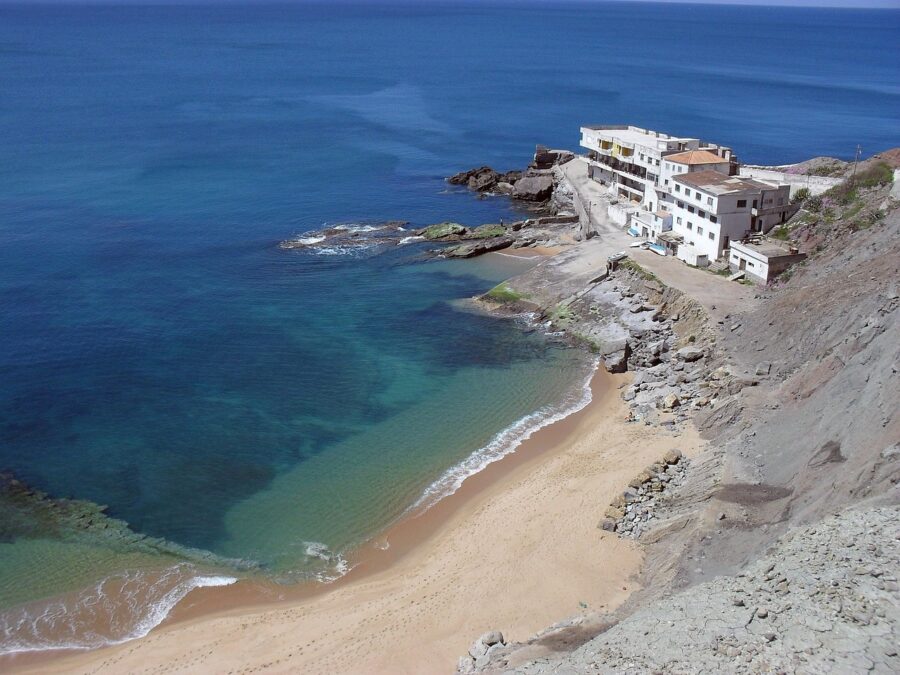
Education and Healthcare in Portugal
Portugal’s education system offers a spectrum of options, from public schools to esteemed international institutes.
On the healthcare front, expats find a blend of modern, affordable services within both public and private sectors — ensuring your well-being is in good hands as you embrace your new life under the Iberian sun.
Overview of the education system
Portugal offers public and private schooling for kids of all ages.
From a young age, children learn important subjects like Portuguese, math, and science.
They also study history and geography to understand the world around them.
Starting English early helps them speak with people from other countries.
As students grow up, they can choose between two types of higher education – university or polytechnic schools.
Both systems are great but focus on different skills.
Universities are more about thinking deeply while polytechnics teach practical stuff you can use right away in jobs.
In Portugal’s education system, it doesn’t matter if a school is run by the state or someone else; everyone learns in stages that build on each other.
Public and private healthcare options
Moving to Portugal brings the chance to experience its renowned healthcare system.
You have two main options: the public Serviço Nacional de Saúde (SNS) and private healthcare plans. Here’s what you need to know:
- The SNS is tax – funded, giving all residents access to essential medical services.
- Private healthcare comes with a monthly cost that can range from €30 to €60 for an adult.
- Choosing between public or private hospitals and clinics is necessary, as they don’t overlap services.
- Expats often praise the high quality of care available throughout Portugal.
- Weighing the pros and cons of each system helps in making an informed decision for your health needs.

Retiring in Portugal as an American
Imagine sipping on a glass of fine Porto wine, overlooking the serene landscapes of the Douro Valley—retirement in Portugal can turn this into your everyday reality.
With its affordable cost of living and pleasant climate, it’s no wonder that many Americans are choosing Portugal as their slice of paradise to enjoy the golden years.
Factors to consider
Thinking about retiring in Portugal?
Look at your budget first.
You’ll need to understand the cost of living, from groceries to health services.
Rent or mortgage payments should be on your radar too.
Prices vary widely between cities and the countryside.
Your lifestyle matters as well—do you want city life or a quiet village?
Will you dine out often or cook at home?
Think about healthcare costs as well.
Portugal has both public and private options for care.
If you’re not an EU citizen, consider the Golden Visa scheme for a smooth move and retirement benefits in this beautiful country.
Obtaining a retirement visa
Getting a retirement visa lets you enjoy Portugal’s laid-back lifestyle.
It’s perfect if you have a steady income, like a pension or investments. Here’s what to do:
- Check if you qualify for the D7 Visa by having a stable passive income.
- Calculate your annual income to ensure it meets the minimum of €9,840.
- Apply for the Portugal Retirement Visa, which gives you 120 days to start.
- After arrival, turn your temporary visa into a residence permit good for two years.
- Show proof of income, such as pension statements or investment reports.
- Get health insurance that covers you in Portugal.
- Find a place to live and provide proof of address.
- Register with the local Portuguese tax office and get your fiscal number (NIF).
- Set up a bank account in Portugal; it will help manage your finances here.
- Submit your visa application and documents at the nearest Portuguese consulate.
- Attend an interview, if required, to discuss your plans for living in Portugal.
- Wait for approval; this might take several weeks or months.
- Once in Portugal, renew your residence permit before the initial two years end.
Leisure activities and lifestyle
Portugal offers a laid-back lifestyle that many American retirees love.
Leisure time can be spent on sandy beaches or hitting golf balls on stunning courses.
The country’s warm climate makes outdoor activities pleasant year-round.
You can explore hiking trails, indulge in local food at open-air markets, or enjoy the vibrant nightlife.
Retirees find plenty of ways to stay active and engaged in Portugal.
They join clubs, take up new hobbies like painting or cooking classes featuring Portuguese cuisine.
Some even learn to speak Portuguese to feel more at home.
Life in Portugal is about enjoying every moment, whether you’re strolling through ancient streets or sipping coffee by the sea.

How to Relocate to Portugal with the Nomad Offshore Academy
Navigating the complexities of an international move can be overwhelming—but that’s where Nomad Offshore Academy steps in, offering tailored support to smooth your transition into Portuguese life.
Their expertise paves the way for a stress-free relocation, guiding you through visa applications, property searches, and more—transforming what could be a daunting process into an exciting journey toward your new home in Portugal.
Visa and immigration assistance
Moving to Portugal means dealing with visas and immigration rules.
Nomad Offshore Academy will guide you through this process.
They can help you apply for the right visa, whether it’s a work visa, family reunification, or the Golden Visa program.
With their assistance, getting your documents in order becomes less stressful.
Global Citizen Solutions knows each step for Americans moving to Portugal.
They have experience with the D7 visa for passive income earners and can advise on how to get a residency permit.
You’ll learn about living in Portugal as an American, from gaining citizenship to setting up home and work life.
They make sure you meet all requirements so you can enjoy your new life without worry.
Benefits of using Nomad Offshore Academy
The Nomad Offshore Academy guides you through Portugal’s Golden Visa program.
They keep you informed with the latest updates, making sure you know exactly what to do.
If you’re thinking about moving your business or buying a second home in Portugal, they’ll explain all the tax stuff that comes with it.
And they stay on top of changes, like if Portugal decides to end its non-habitual resident regime by 2024.
Global Citizen Solutions has their finger on the pulse of immigration laws and visa rules.
With them, you won’t miss out on new opportunities or get caught off guard by new requirements for living in Portugal.
Next up, let’s look into frequently asked questions about making the big move to this beautiful country.
About moving to Portugal
Understanding the benefits of using Nomad Offshore Academy is one step closer to your dream move.
But, many people still have questions about relocating to Portugal.
Here are some common questions that will clear up any confusion:
- Do I need a visa to move to Portugal?
- How can I get Portuguese citizenship?
- What is the Golden Visa program?
- Can I move to Portugal without a job?
- Is it expensive to live in Portugal?
- What should I consider when buying property in Portugal?
- Can my pets move to Portugal with me?
- What’s healthcare like in Portugal?
- Where do most American expats live in Portugal?
- What if I want to retire in Portugal as an American?
Case studies and social media platforms to follow
Case studies show what others have gone through when moving to Portugal.
Reading about people’s journeys helps you see common problems and how they solved them.
You’ll find out where to look for jobs and the best ways to fit in with Portuguese culture.
Social media is full of groups and pages for expats in Portugal.
These online communities connect you with those who’ve already moved.
You can ask questions, make friends, and learn from their experiences.
Follow these platforms for daily updates on life in Portugal, from finding homes to enjoying local events.
Conclusion
Moving to Portugal means new adventures and opportunities.
The warm climate, friendly people, and excellent healthcare await you.
Rent or buy a home that suits your needs in this beautiful country.
Whether it’s for work or retirement, moving here can bring a high quality of life.
Global Citizen Solutions can make your transition smooth and easy.
Pack your bags, learn some Portuguese, and get ready for the journey ahead!
Frequently Asked Questions
Why are Americans moving to Portugal?
Americans find Portugal attractive for its lower cost of living, pleasant climate, and friendly residents. Plus, the country offers a great quality of life – making it a top choice for retirees and those looking to work remotely.
What do I need to know about salaries and the cost of living in Portugal?
Before you move, learn that the average salary in Portugal might be lower than in the US, but so is the cost of living. This balance means you can enjoy life without spending as much on everyday expenses.
How can my family and I become residents of Portugal?
To live with your family in this beautiful country, you’ll likely need a residence permit like the Portugal D7 visa – perfect for retirees or remote workers – which lets you stay long-term.
Can I bring my pets when moving to Portugal?
Yes! Your furry friends can come along too—just make sure their vaccinations are up-to-date and all paperwork complies with Portuguese regulations.
Is it hard for US citizens to enter Portugal without a visa?
Not at all — if you’re just visiting short term! As an American citizen, you can enter portugal and travel freely within it for up to 90 days without needing a visa; staying longer requires additional documentation though.
Are there advantages for American retirees in Portugal specifically?
Absolutely — many American retirees in portugal take advantage of benefits such as good healthcare facilities, safe communities… And let’s not forget: that lovely Portuguese sunshine!