Ultimate Guide To Moving To Panama: Everything You Need To Know

Last Updated on 26 December 2024
Moving to a new country can be a tapestry of thrilling experiences and unexpected challenges, but Panama stands out as an inviting canvas for expats seeking tropical allure combined with modern convenience.
Drawing from years of on-the-ground insight and extensive research into the nuances of Panamanian life, I guide future residents through the transition with expertise that can only come from lived experience.
With its blend of vibrant culture, welcoming communities, and favorable cost of living, Panama has emerged as one of Central America’s most beloved destinations for those looking to start anew.
This ultimate guide unpacks layers you might not find in generic travel brochures or fleeting holiday stays—like navigating residency intricacies or understanding local market prices across different regions.
It zeroes in on key factors such as climate considerations and healthcare quality which could make or break your decision to call this southernmost haven home.
Prepare to discover why many view Panama not just as a place to live—but a place to thrive.
Key Takeaways
- To drive in Panama, get a local driver’s license with your residency visa. If you need a disabled parking permit, apply through SENADIS.
- Panama has warm weather and offers different lifestyles from city life to beach living. Areas like Panama City and Boquete are popular among expats.
- Costs for healthcare are lower compared to the US; English – speaking doctors are available near expat communities.
- A range of work permits is available depending on if you’re retiring or working. Permanent residents don’t need an extra permit to work.
- The cost of living can be low with more affordable housing options than many parts of North America or Europe.
Residence Requirements for Moving to Panama
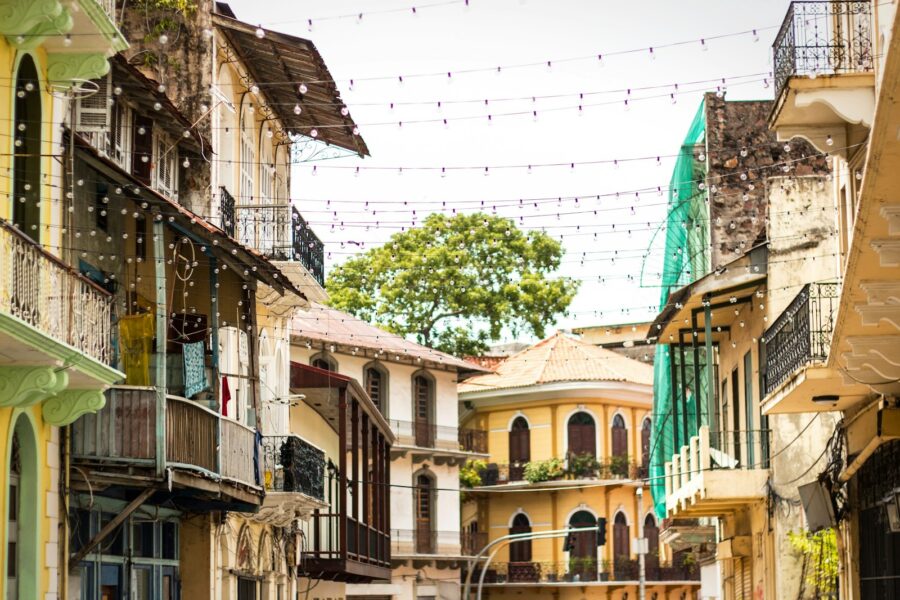
Navigating the transition to a new home in Panama begins with understanding the residence requirements—a crucial first step for those looking to make this vibrant country their own.
It’s not just about packing your bags; securing legal residency, grasping local driving laws, and navigating through background checks are essential pieces of the puzzle that will pave your way to a seamless move.
Obtaining a Panamanian Driver’s License
Driving in Panama gives you the freedom to explore at your own pace.
Before you hit the road, though, you need a Panamanian driver’s license, especially if you plan to live there.
- Check that you have a residency visa. You need this for a driver’s license in Panama.
- Get a temporary or processing Pensionado Visa if needed. This lets you apply for the driver’s license.
- Drive with your home country’s license first. If you’re just visiting, it’s valid for up to 90 days.
- Gather all necessary documents. These include your passport and original driver’s license from home.
- Prove your blood type. Panama requires a medical report confirming this detail.
- Grab your residency immigration papers. You’ll need them for the application process.
You’ll receive a notice to come pick up your permit in person.
Criminal Record Checks for U.S. Citizens
After sorting out parking permits, you should be aware of the next important step—criminal record checks.
Moving to Panama means you’ll need a clean slate with the law. U.S. citizens have to provide an FBI Identity History Summary Check.
The process is clear: get your criminal report and show it to Panama immigration officials. If there’s trouble on your record, visa delays could happen.
Living in Panama for two years might change things if you have a record. You may qualify using a local police report from Panama instead.
Don’t forget, even in Panama, U.S. citizens must follow local laws or face penalties just like everyone else.
And if you ever get into legal issues while there, make sure local authorities contact U.S officials—it’s your right!
Everything You Need to Know Before Moving to Panama

Before you pack your bags and set out for the isthmus, there’s a tapestry of details about Panama that weaves together its tropical allure with practical living considerations.
From understanding the nuances of its climate to immersing yourself in the rich history and vibrant culture—alongside insights into economic trends and infrastructure—you’ll be equipped to navigate this diverse country like a local.
Climate
Panama’s weather is warm and tropical.
You’ll love the year-round summer with average temperatures between 75°F and 86°F.
The country boasts green landscapes, perfect for nature lovers.
From December to April, it’s hot and dry, while the rest of the year brings heat with more rain.
Microclimates vary in Panama’s mountain towns.
You might find cooler weather and different levels of sunshine or wind up there.
El Niño affects Panama’s climate too but doesn’t worry about snow; you won’t find any here!
History and Culture
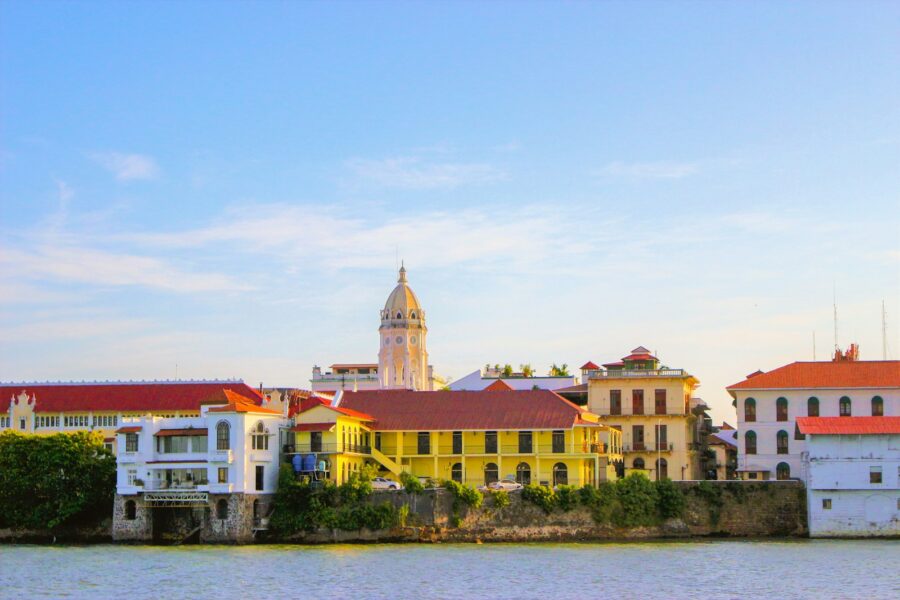
Panama’s cultural tapestry is as diverse as its landscape.
The mix of Creoles, mestizos, Europeans, Africans, and indigenous groups weaves a vibrant social fabric.
Each region boasts unique traditions.
You’ll find distinct music, dance, and art across the country.
Imagine exploring the rich heritage that dates back to 12,000 B.C.—it’s all part of life in Panama.
The country celebrates with flair and color, especially during pre-lenten carnivals.
Streets come alive with parades and parties showing off Panama’s spirited side.
These festivals reflect the heart of Panamanian culture—joyous and full of pride for their roots.
Living here means embracing these customs and joining in on festivities that honor a history spanning millennia.
Economy
Panama’s economy thrives on a dollar-based system, keeping inflation low and removing currency exchange worries.
Investors from around the world take notice of its growing property market and stable financial condition.
Over ten years, the nation has welcomed high foreign investment rates and seen property values climb steadily.
These factors contribute to Panama being one of Central America’s quickest expanding economies.
Its economic success attracts many people looking for opportunities in business and investments.
The steady growth means jobs are on the rise, making it an enticing place for expats seeking work or those wishing to retire comfortably.
Good infrastructure supports this growth, leading us to examine the roads, bridges, and other facilities that keep Panama moving forward.
Infrastructure
Panama boasts modern amenities that make it a highly attractive place for expats.
With its efficient transportation network, you can easily get around by domestic flights, rental cars, buses, and taxis.
The country has invested in roads and public transport to ensure travel is smooth whether you’re exploring bustling Panama City or venturing to quieter beach towns.
The iconic Panama Canal stands as a marvel of engineering, linking two vast oceans through an impressive man-made waterway.
This is just one example of the nation’s commitment to world-class infrastructure.
As industries like logistics blossom here, newcomers enjoy the perks of living in an area with reliable services and facilities.
Next up are some prime spots expats should consider when choosing their new home in Panama—top expat destinations await!
Top Expat Destinations
Panama ranks high as a favorite for expats.
Its diverse regions offer a variety of lifestyles, from city buzz to tranquil beaches and mountains.
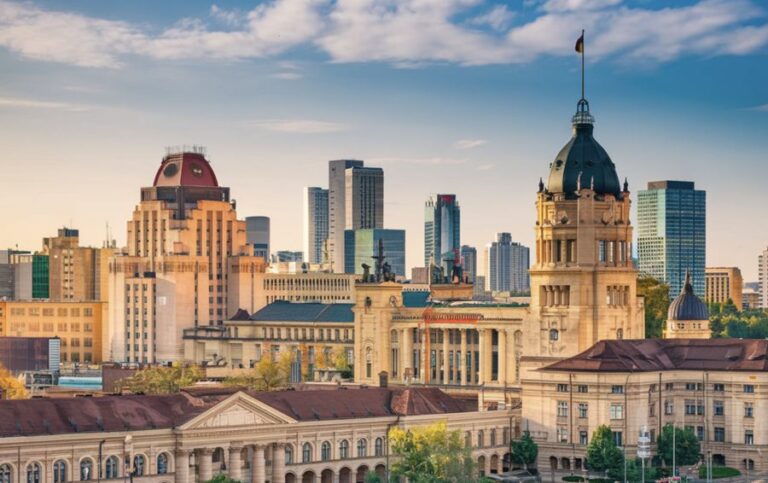
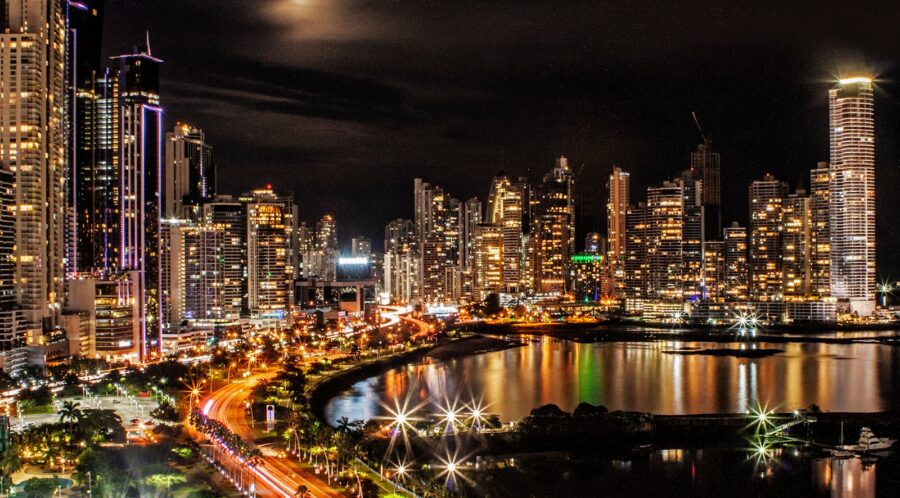
- Panama City: This bustling metropolis is the heart of business and entertainment in Panama. Skyscrapers line the skyline while street markets buzz below. Expats enjoy high-quality amenities, international restaurants, and plenty of cultural events.
- Boquete: Nestled in the cool highlands, Boquete is known for its vibrant expat community. You’ll find coffee plantations, flower gardens, and outdoor adventures here. Many retirees love its mild climate and relaxed pace.
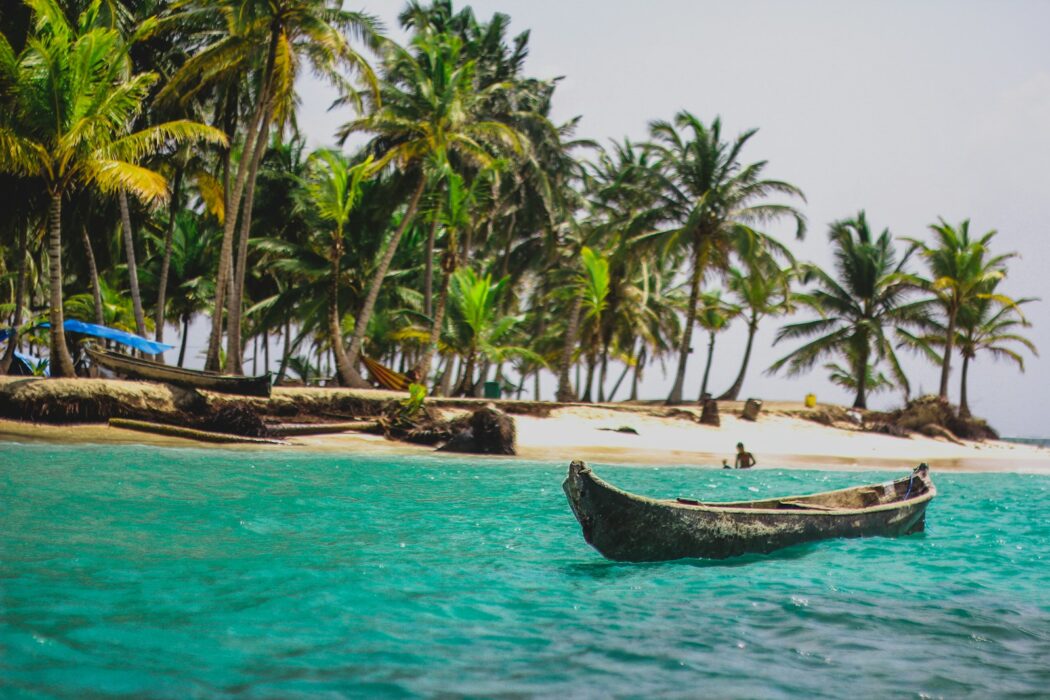
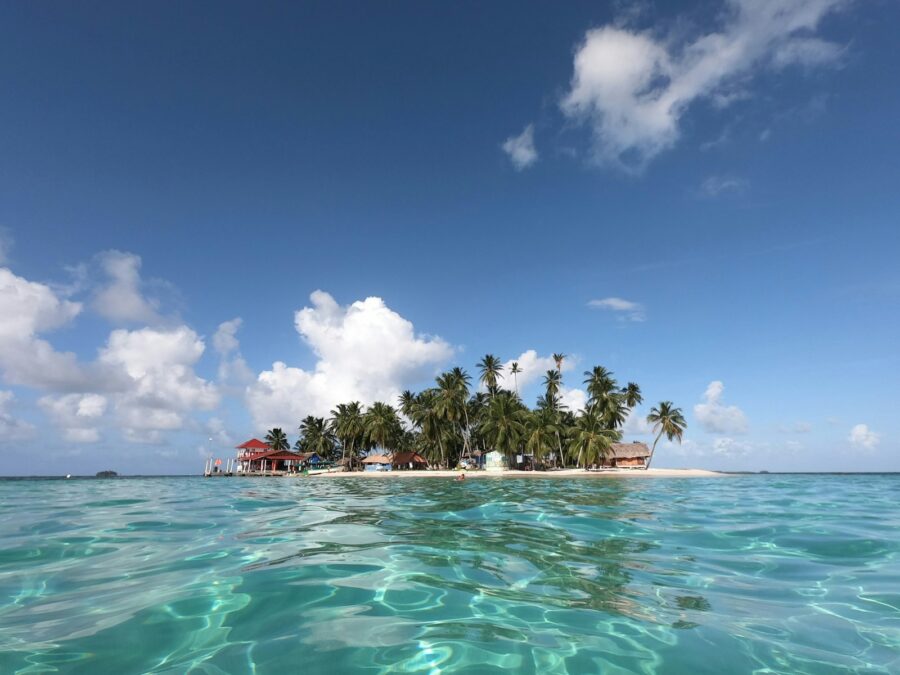
- Bocas del Toro: For those who prefer island life, Bocas del Toro is perfect. The Caribbean vibe with beautiful beaches makes it a hit with younger expats and digital nomads.
- Coronado: Just an hour from Panama City lies Coronado—a hub for expats seeking beach life near urban conveniences. Here you have golf courses, shopping centers, and community events all year round.
- El Valle de Anton: Living in this mountain town offers a mix of nature and comfort. It’s surrounded by lush forests and features a famous market selling local handicrafts and produce.
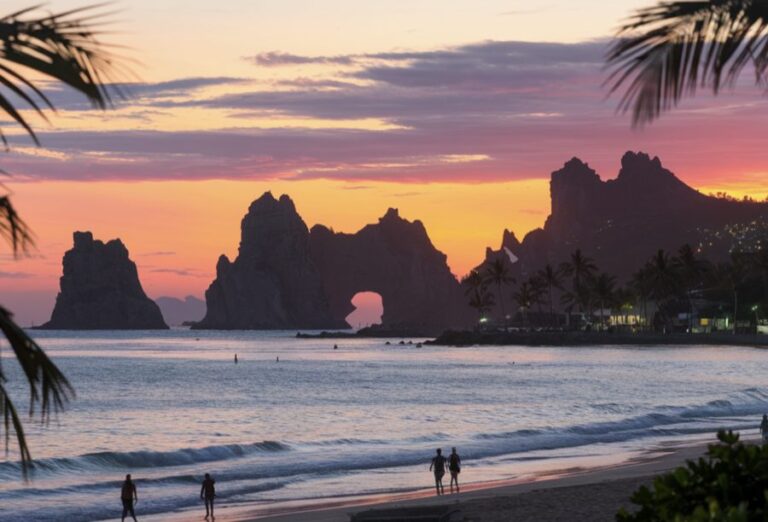
- Pedasi: A small town with big charm on the Pacific coast that’s gaining popularity among expats. Pedasi boasts festivals, fishing, and access to stunning beaches such as Playa Venao.
Getting to Panama
For those ready to embark on a new chapter in Panama, your journey begins with grasping the logistics of actually arriving in this vibrant country.
Understanding visa requirements and exploring transportation options is crucial for a smooth transition to your Central American adventure.
Transportation options
Panama offers many ways to travel around the country.
Whether you’re moving through bustling cities or exploring remote areas, you’ll find a suitable option.
- Domestic flights connect Panama’s key locations quickly. Air travel is handy for reaching far-off places like the Bocas del Toro and Guna Yala islands.
- Rental cars give you the freedom to go anywhere at any time. You need a valid driver’s license to rent a car in Panama.
- Buses are a popular choice for both short trips and longer journeys across the country. A modern bus network makes it easy to get from one place to another.
- Taxis operate widely, especially in city areas. They provide convenient door-to-door service, although be sure to agree on a fare beforehand.
- The metro system in Panama City is a fast way to avoid traffic. It’s clean, efficient, and helps locals and visitors move around the city easily.
- Walking lets you experience local life up close. It’s ideal for shorter distances within towns or cities.
- Boats and water taxis are essential for island hopping or reaching coastal communities. They offer unique views and access to beautiful beaches.
- Bicycles can be rented for eco – friendly travel and leisurely tours of scenic areas. Bike paths are available in some parts of Panama City.
Visa requirements
Once you’ve figured out how to get to Panama, the next step is understanding the visa requirements.
Moving abroad takes planning, especially when it comes to visas.
- Your passport must be valid for at least three months beyond your stay.
- No tourist visa is required for most countries for up to 180 days.
- A return ticket to your home country or an onward destination is necessary.
- Different visas are available if you plan to live in Panama full – time.
- Some nationals can enter without a visa and stay for 90 – 180 days.
- You should apply for a residency visa if you want to stay longer than a tourist.
- The Pensionado Visa is popular among retirees for its benefits.
- Investors might consider the Friendly Nations Visa for residency.
- Always check the latest information from the official Panama immigration website.
Cost of Living in Panama
Navigating the economic landscape of a new country can be daunting, but Panama’s cost of living presents an attractive proposition for many.
With its blend of affordability and quality, this tropical gem offers a lifestyle that balances budget-consciousness with the comforts and conveniences of modern living.
Housing
Panama’s housing market offers a range of options that cater to diverse budgets and lifestyles.
Expatriates often find that rental costs are significantly lower than those in the US and Europe, allowing for a comfortable living at a more affordable rate.
| Area | Rental Price Range (Furnished One-Bedroom) | Notes |
|---|---|---|
| Panama City | $800 – $1,600 / month | Metropolitan vibe with easy access to amenities |
| Coronado | $600 – $1,200 / month | Beach community popular among expats and retirees |
| Boquete | $500 – $1,000 / month | Mountain town with a cooler climate and scenic views |
| Bocas del Toro | $400 – $1,200 / month | Caribbean lifestyle with a laid-back atmosphere |
| David | $400 – $800 / month | Developing city with lower costs and increasing expat interest |
Individuals and couples planning a move can anticipate monthly expenses.
A single person might budget around $1,000 to $1,200, while couples may aim for $1,500 to $2,000.
These figures can stretch further in Panama than in many places in North America or Europe, thanks in part to the generally lower housing costs.
Exploring the housing market with these data points ensures a strategic approach to relocating to Panama.
Utilities
Understanding the utility costs in a new country is crucial for budgeting and planning your move; Panama’s utility expenses vary but can be quite reasonable, especially when compared to many U.S. cities.
Here’s a quick look at what you might expect to pay for utilities in this Central American haven.
| Utility | Average Monthly Cost | Notes |
|---|---|---|
| Electricity | $25 – $200 | Costs can vary based on usage and location; some areas may experience higher rates due to climate. |
| Water | Included to $50 | Often included in rent; separate charges can apply for higher consumption or private residences. |
| Internet | $20 – $100 | Depends on speed and service provider; packages may include cable and phone services. |
| Gas | $0 – $10 | Used mainly for cooking; many homes use bottled gas which is inexpensive. |
| Annual Utility Costs Comparison (e.g., Puerto Armuelles vs. Seattle) | $600 vs. Several Thousands | Puerto Armuelles represents a significantly lower annual cost compared to a city like Seattle. |
Residents must establish a permanent address in the country to access electricity and water services.
Some expats may find rentals that cover all utilities, often including a gardener, simplifying their monthly bills.
Depending on lifestyles and choices, one can enjoy the tropical ambiance of Panama without breaking the bank on utility costs.
Food
The culinary landscape of Panama offers a vibrant mix of flavors, reflecting its diverse culture and geography.
Groceries, a fundamental component of the cost of living, amount to an average of $400 to $500 per month for an individual.
The location heavily influences food prices, with coastal areas featuring dishes rich with local seafood, coconut, and tropical fruits, while the interior’s cuisine heavily relies on agriculture.
Here’s a breakdown of the typical food-related costs you might encounter in Panama:
| Item | Average Cost |
|---|---|
| Groceries (Monthly) | $400 – $500 |
| Fresh Produce (Local Market) | Varies by season and locality |
| Restaurant Meal (Mid-range) | $10 – $20 per person |
| Beer (Local) | $1 – $2 per bottle |
| Wine (Mid-range) | $8 – $12 per bottle |
Understanding the nuances of Panama’s food costs helps expats budget wisely.
Monthly food expenses, including groceries, beer, and wine, could average around $450.
Though the cost of living can differ based on one’s choices and lifestyle, food costs in Panama offer a glimpse into the daily life and culture of this Central American gem.
As you contemplate your Panamanian adventure, healthcare emerges as the next pivotal topic to consider.
Healthcare
Healthcare in Panama offers a blend of affordability and quality.
Many expats find the cost much lower than what they’re used to back home.
Doctors often speak English, especially in hospitals near expat communities.
Getting insurance is key, as it’s not free to see a doctor or visit a hospital.
Panama boasts well-equipped clinics and several internationally accredited hospitals.
Before you move, research different health plans that fit your budget and healthcare needs.
Make sure you understand how local healthcare works and where the best facilities are located.
This knowledge will help you feel confident about accessing medical services once there.
Next, let’s look into working and retiring options for those settling down in Panama.
Working and Retiring in Panama
Whether you’re eager to join the burgeoning workforce or seeking a tranquil retirement, Panama presents compelling options tailored for various lifestyles and aspirations.
Unraveling the nuances of work permits and exploring retirement havens within this tropical paradise could shape your next chapter into an adventure filled with cultural immersion and relaxation.
Work permits
Moving to Panama means understanding their employment rules.
If you want to work there, you’ll need the right permit.
Types of Work Permits:
- Panama offers several permits depending on your situation. Each one has unique requirements.
Permanent Residents:
- Good news! You don’t need an extra permit if you have permanent residency.
General Work Permit:
- This is for those without special status. Employers usually handle the application.
- Friendly Nations Visa:
- People from specific countries can apply, which may lead to easier work permit processes.
Professional Work Permit:
- For skilled workers with degrees recognized in Panama. Verification of credentials is key.
Business Investor Visa:
- Invest in a Panamanian business and you could qualify for this type of permit.
Specific Countries Worker’s Permit:
- A special option for people from certain countries with bilateral agreements with Panama.
Retirement options
Panama consistently hits the top five spots for retirees around the world.
With its Pensionado visa, Panama opens its doors wide to those seeking a fulfilling retirement.
- Pensionado Visa Program: This program is designed for retirees and offers numerous discounts. Qualifying expats can save on medical services, entertainment, transportation, and more.
- Benefits for Retirees: Besides discounts, the cost of living is lower compared to the US. Retiring here means stretching your dollars further on everyday expenses.
- Real Estate Advantages: Buying property in Panama comes with benefits too. Retirees often get better deals and incentives when investing in Panamanian real estate.
- Retirement Communities: Expats will find communities tailored to their lifestyle preferences. Whether you prefer city life or a beachside retreat, there’s a place perfect for you.
- Healthcare Services: Panama offers high-quality medical care at much lower prices than many expats are used to. Plus, healthcare facilities are modern and accessible.
Social Security
If you plan to retire in Panama, good news—you can still access your Social Security benefits.
Many US citizens enjoy a comfortable retirement under the sun with a stable income from back home.
The Pensionado visa is specifically designed for retirees and makes it easier to receive these payments.
Just be sure to stay informed through the US Embassy, which provides updates from the Social Security Regional Office in San Jose, Costa Rica.
Receiving your benefits while living abroad may seem complicated, but it doesn’t have to be.
Ensure your bank account in Panama is set up correctly for international transfers; this will allow you to withdraw your Social Security income easily.
Keep an eye on current discussions around expats and their access to benefits, as they might impact how you plan your finances over time.
With proper preparation and knowledge of how the system works, enjoying retirement with financial peace of mind is entirely possible.
Final Steps for a Successful Move to Panama
As your Panamanian adventure nears, mastering the final steps ensures a seamless transition; it’s about more than just unpacking boxes.
Delve into setting up local banking, securing healthcare coverage, exploring educational facilities for your kids, and navigating the nuances of the real estate market—these are pivotal moves that solidify your new beginning in this vibrant country.
Setting up banking and finances
Setting up banking and finances is a key step when moving to Panama.
The country’s modern banking system offers a range of services comparable to those in the US and Europe.
- Choose the right bank for your needs. Panama has numerous reputable banks, including two state – owned ones.
- Gather necessary documents. To open an account, you’ll need identification, proof of address, and possibly a reference from your home bank.
- Consider online banking options. Many Panama banks provide online services for convenient access anywhere.
- Understand the currency. Panama uses the US dollar alongside its own balboa, making financial transactions easier for Americans.
- Plan for taxes. Know how living in Panama will affect your tax situation; seek professional advice if needed.
- Explore investment opportunities. With a thriving economy, Panama may offer various ways to invest your money safely.
Healthcare and insurance
Healthcare in Panama stands out for its high standards and affordability.
Expats enjoy access to a variety of insurance options that ensure comprehensive coverage.
- Panama offers low – cost health insurance plans tailored for expatriates living there.
- You can join the local state health program, CSS, with the correct visa, which provides broad coverage.
- Private healthcare is also available and many expats choose this for its flexibility and shorter wait times.
- Insurance providers like Mapfre offer specific policies designed to meet the needs of foreigners in Panama.
- Expect discounts on medical expenses if you’re retired, as Panama encourages retirees to settle in their country.
- The healthcare system ranks well internationally, assuring you get quality treatment when needed.
- Most parts of the country have clinics and hospitals equipped with modern facilities.
- In big cities like Panama City, there are even hospitals affiliated with prestigious U.S. medical institutions.
- Before deciding on an insurance plan, compare costs and benefits to find what works best for your situation.
- Consider whether you need coverage just within Panama or also when traveling abroad.
Education options
Moving to Panama offers families a variety of education choices.
Parents need to understand these options to make the best decision for their children.
- International Schools: Panama has many international schools, teaching in English and other languages. These schools often follow an International Baccalaureate (IB) curriculum, which is recognized worldwide. They’re ideal for families planning to move again or return to their home countries.
- Private Schools: Wealthier locals and expats tend to choose private education in Panama. Private schools may offer smaller class sizes and advanced programs, including U.S., UK, or European-based curricula.
- Public Schools: Education is free in Panamanian public schools up to high school. However, they mainly teach in Spanish and can reflect the country’s socioeconomic disparities.
- Home Schooling: For those who prefer it, homeschooling is a legal and flexible option in Panama. Expat communities can be a great resource for sharing materials and creating group learning opportunities.
- Language Considerations: While Spanish is the primary language of instruction in many schools, bilingual education is becoming more popular as parents recognize the benefits of multilingualism.
- Special Needs Education: Finding appropriate support for children with special needs may be challenging but there are specialized institutions that provide tailored education solutions.
Real estate considerations
Exploring education options in Panama is just a piece of the puzzle.
Another critical aspect to consider is the real estate market before you make your move.
- Work with a knowledgeable real estate agent. They can guide you through the market and explain how to buy property in Panama.
- Understand that buying property here is safe. Many laws protect your investment.
- Get familiar with the buying process. It involves setting a price, checking the title, signing an agreement, and more.
- Look for guides aimed at US retirees. These resources help if you’re seeking sun and stability in Panama.
- Examine property laws closely. Over a dozen laws are there to keep your investments secure.
- Ask about frequently asked questions (FAQs). They cover taxes, titles, and how to sell your property in this country.
- Consider popular areas for expats. Places like Boquete and Coronado offer vibrant communities and beautiful settings.
- Think about your budget carefully. The cost of living is lower outside Panama City, affecting where you might buy.
- Explore different types of properties. From beachfront homes to mountain villas, Panama has several options to choose from.
- Check infrastructure around properties. Ensure access to roads, hospitals, and schools meets your needs.
- Review potential income from rentals if you’re not staying year-round. Some areas are more popular with tourists visiting Panama.
Conclusion
You’re set for a big adventure in Panama, with its rich culture and friendly visas.
Life here can be affordable, from vibrant cities to tropical beaches.
Look into expat groups—they’ll be your guide as you settle in.
Don’t forget the practical stuff—like banking and healthcare—to make living easy.
Be ready for a few surprises, but know that many adore their Panamanian life.
Grab this chance; your new home waits with open arms!
Frequently Asked Questions
Why do people move to Panama?
People love Panama for its low cost of living, vibrant expat community, and beautiful places to live. It’s a great option for international living in Latin America.
What are the best areas to live in Panama?
The best areas depend on what you’re looking for; from bustling Panama City to quiet beach towns – there’s a perfect spot for everyone!
Is it expensive to live in Panama?
Nope, life here can be quite affordable! Many parts of Panama offer a lower cost of living compared with other countries.
Can I work in Panama as an expat?
Sure, with the right visa many expats find jobs or even start their own businesses in this thriving economy.
How do I become a resident of Panama?
Panama has residency programs that make it easier; just gather the required documents and apply—expats moving to Panama often use these paths.
What is there to do once I’m living in Panama?
You’ll find plenty! With things like the historic ruins at Panamá Viejo or fun two-hour drives from the city – adventure awaits around every corner.