Key Things To Consider When Moving To Malta


Last Updated on 31 December 2024
Malta beckons with its crystal-clear Mediterranean waters and sun-soaked shores, but deciding to move there involves more than just dreaming of its idyllic landscapes.
As a seasoned expat consultant with over a decade of experience guiding individuals through international relocations, I understand the complexities and nuances involved in making such a life-changing move.
From the bustling streets of Valletta to the rustic charm of Gozo, Malta offers a unique blend of historical richness and modern living that attracts people from around the globe.
One pivotal detail many overlook is Malta’s bilingual nature—both Maltese and English are official languages, easing communication barriers for newcomers.
This linguistic duality not only reflects Malta’s fascinating history but also facilitates smoother integration into this vibrant community.
Key Takeaways
- Malta is a small but densely populated island with English as one of its official languages, which makes communication easy for newcomers.
- It offers a high quality of life with affordable living costs, top-ranked healthcare services, and low crime rates.
- Before moving, consider the different neighborhoods to find the best fit for your lifestyle and research transportation options like buses or driving on the left side of the road.
- There are diverse paths to residency and citizenship in Malta including investment programs, long-stay visas, work permits, and marrying a Maltese citizen.
- The island provides excellent education options, from private to public schools all regulated by the government for quality assurance.
About Malta
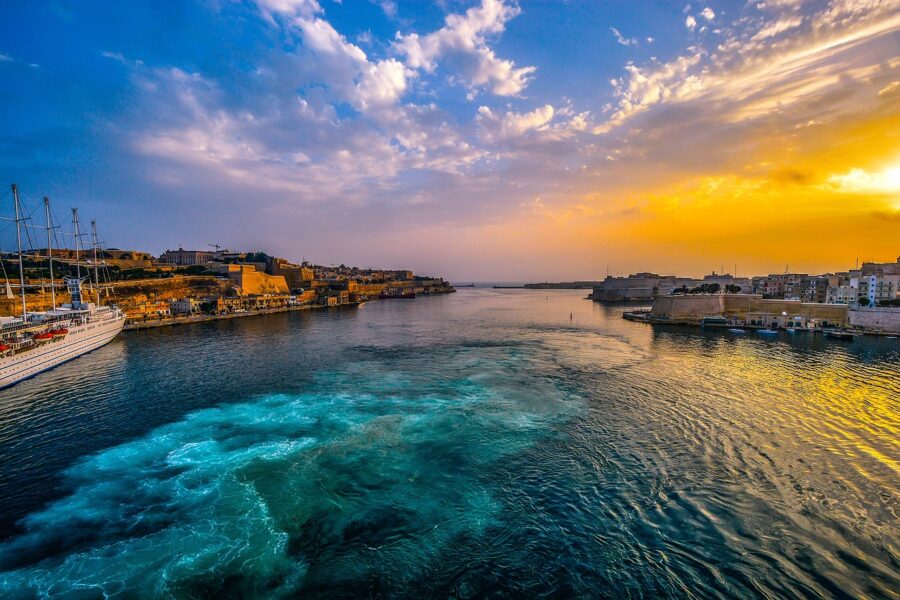
Nestled in the heart of the Mediterranean, Malta beckons with its unique blend of sun-drenched landscapes and rich historical tapestry—an island where modern luxuries meet time-honored traditions.
This gem of Southern Europe is more than just a scenic getaway; it’s a crossroads of civilizations, each leaving an indelible mark on its cultural heritage.
Location and size
Malta sits in the heart of the Mediterranean Sea, with its sunny shores close to both Europe and Africa.
This island country is among the world’s tiniest, covering just 121 square miles.
Picture a place smaller than most cities where vibrant life buzzes in every corner!
The main island runs only about 17 miles across but offers an abundance of history, nature, and culture.
Despite its small size, Malta is full of people enjoying all it has to offer.
Over 400 thousand residents live on this compact land mass—more packed together than many other places!
They share beautiful beaches, ancient streets, and bustling towns that are always just a short trip away.
Here you find a unique blend of city amusements and seaside tranquility within minutes from any point on the island.
Climate
After exploring Malta’s location and size, it’s essential to consider the weather.
Expect warm, sunny days if you’re moving to Malta.
With a subtropical Mediterranean climate, summers are dry and hot, pushing many to the coast for a cool sea breeze.
Beach lovers will thrive in this sun-soaked setting from June through August.
As fall begins, temperatures become more comfortable, making it perfect for outdoor activities.
Winters bring cooler air and rain but remain mild compared to harsher northern European climates.
This blend of seasons offers something for everyone—whether you favor basking in the summer heat or enjoying crisp winter walks by the sea.
History and culture
Malta’s past is like a colorful tapestry woven from threads of different societies.
Phoenicians, Romans, Normans, and the influential Knights all left their mark on this Mediterranean gem.
This mix has created a culture that stands out.
Festivals, music, art—they all tell stories of Malta’s varied history.
The island has been alive with people since 5900 BC.
Early farmers shaped the land and started traditions still seen today.
Over eight millennia have passed since then, but Malta’s cultural richness keeps growing.
Life here is a blend of ancient customs and modern living—a balance not found just anywhere.
Why Consider Moving to Malta?
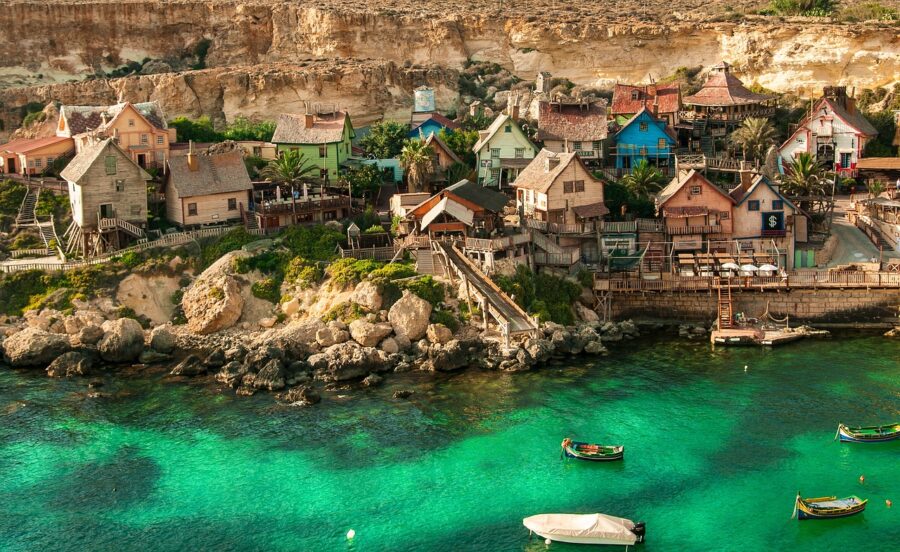
Yearning for a life draped in Mediterranean allure, with the promise of sun-soaked days and balmy evenings?
Moving to Malta—a jewel in the heart of this historic sea—offers an enviable blend of lifestyle perks that beckon globetrotters and serenity seekers alike.
The island nation’s high quality of life whispers a siren call, tempting one to explore its optimal health services, robust safety measures, and serene communities—a trifecta ensuring tranquility becomes your daily rhythm.
High quality of life
Malta is known for its high quality of life.
People enjoy the weather, the beaches, and a relaxed Mediterranean lifestyle—all at costs that won’t break the bank.
Streets are safe; kids can play outside while adults savor café culture and community events.
Health services in Malta get top marks too. Hospitals are modern and staffed with skilled professionals.
Whether you need routine care or special treatments, health care here doesn’t disappoint.
Expats praise Malta’s balance between comfort and affordability—it’s an island that feels like home without a hefty price tag.
Optimal health services
A high quality of life naturally includes access to excellent healthcare, and that’s where Malta truly shines.
Ranked 10th globally, the island’s healthcare system is comprehensive.
Citizens, EU nationals, and legally working expats enjoy free treatment.
This means you can get top-notch medical services without worrying about hefty bills.
Hospitals in Malta are well-equipped and staffed with skilled professionals ready to help.
Whether it’s routine check-ups or specialized care, the country has you covered.
Expats find it easy to navigate the healthcare system here.
With universal coverage that ranks Malta at #26 according to the World Health Organization, residents have peace of mind knowing they have some of the best health services right at their fingertips.
Safety and security
Malta stands out as one of Europe’s safest places to live.
The crime rates here are very low. You won’t find many serious crimes happening around the islands.
People often feel confident walking at night, and children play outside without much worry.
This makes Malta a top choice for families and expats looking for a secure home base.
The police in Malta work hard to keep the streets safe.
They help maintain peace and order throughout the island.
Residents trust them to handle minor issues quickly and effectively.
With such careful attention, it’s no wonder that Malta is praised for its safety and tranquility, making it an ideal spot for anyone seeking a calm lifestyle in a beautiful setting.
Things to Consider Before Moving to Malta
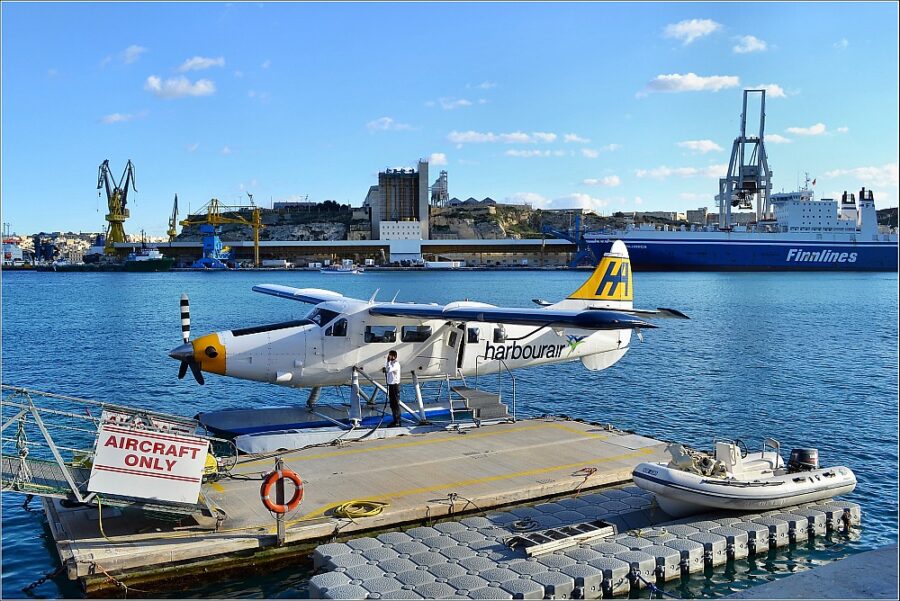
Before you pack your bags for the Maltese archipelago, it’s essential to weigh a handful of pivotal factors that will pave the way for a smooth transition—everything from mastering the local lingo to navigating tax nuances awaits your keen attention.
Language: English is widely spoken
English is the main language of communication in Malta, making it easy for newcomers to settle in.
You’ll find signs, government forms, and even advertisements all readily available in English.
This means that if you move to Malta, you won’t face a language barrier.
Expats often choose Malta for its native English-speaking environment which also makes it an ideal place to study the language.
While Maltese is widely used too, virtually everyone speaks English here.
This ease of communication is a big plus for people considering moving from non-English speaking countries or from the USA.
Neighborhoods: Research different areas to find the best fit
Malta offers diverse neighborhoods, each with its own charm.
Sliema is a bustling area known for shopping and cafes, perfect for those who love an active city life.
For a quieter vibe, Gzira might be the spot, offering serene waterfront walks and fewer crowds.
Each place provides different amenities so it’s key to visit them and see which feels like home.
Consider your daily routine – do you need quick public transport?
Do you prefer walking along the beach after work?
These questions will guide you in choosing the right area to settle in Malta.
Up next: Transportation – getting around on this beautiful island is easier than you think!
Transportation: Public transport and driving
Getting around in Malta is quite straightforward.
The island has an extensive bus service that reaches most destinations.
Although there’s no subway or metro, the buses are frequent and cover many routes.
Expats can easily hop on a bus to explore different areas or commute to work.
Driving offers more freedom and flexibility but comes with its own set of rules.
If you’re planning to drive, make sure you understand local driving laws.
Keep in mind that cars drive on the left side of the road here—something those from the USA may find challenging at first.
Renting a car can be a great way to get familiar with the roads before deciding whether to buy your own vehicle.
Cost of living and taxes
Malta stands out with its lower cost of living, especially when compared to other EU countries.
This makes it a great place for your budget, whether you’re working or enjoying retirement.
You can spend less on everyday things and still enjoy a good life.
Food, transportation, and entertainment come with price tags that don’t break the bank.
Taxes in Malta are also appealing.
The country has some of the lowest taxes in Europe for businesses and individuals alike.
This is particularly beneficial if you have your own company.
Many people from big cities like New York find that they keep more money in their pockets living here than they did back home.
Just remember that while most things are affordable, rent and imported goods might cost more due to high demand and island location.
How to Relocate to Malta
How to Relocate to Malta: Enticing sun-seekers and business-minded expats alike, Malta offers a gateway to European living with a Mediterranean twist.
Understanding the process is key — from sorting through residency prospects that cater to various needs, to unraveling the intricate weave of citizenship possibilities; let’s dive into what it takes to make this idyllic island your new home base.
Residency opportunities
Moving to Malta offers different paths to residency.
Each path caters to various needs and requirements.
- EU, EEA, and Swiss citizens can apply for a residence card. This allows them to start businesses or work as self-employed in Malta.
- Non-EU/EAA/Swiss nationals need a long-stay visa for over three months’ stay. They must also get a temporary residence permit.
- Permanent resident visas are available under Malta’s residence programs. People must meet specific criteria to apply.
- The Malta Global Residence Program targets non-EU/EEA/Swiss individuals. It offers special tax status and a chance to live in the country.
- To reside in Malta permanently, one must apply for permanent residence. This scheme has its own set of financial thresholds and conditions.
- Citizenship by investment is an option for those seeking full citizenship rights. Investors contribute to the national development fund and meet other legal requirements.
- A work permit is essential for non-EU citizens looking to work in Malta. Employers often assist with this process.
- Renting or buying property is part of establishing residency. Applicants must furnish proof of their accommodation when applying for permits.
- Residency through marriage is possible if your spouse is a Maltese citizen. You’ll need to provide evidence of the marriage and other documents.
- Retirees may opt for the Malta Retirement Programme which offers a beneficial tax structure and allows EU nationals to retire in Malta peacefully.
Citizenship opportunities
Gaining residency in Malta can be the first step toward citizenship.
If you’re considering making Malta your permanent home, various citizenship opportunities await.
- Malta Individual Investor Programme (MIIP): Revamped in 2020, the MIIP is a key option for those seeking Maltese citizenship. This program requires an investment in Malta’s economy, a contribution to a national development fund, and the purchase or rental of property.
- Citizenship by Naturalization: After living in Malta for a certain number of years, typically five, you may apply for citizenship through naturalization by fulfilling residency requirements and demonstrating ties to the Maltese community.
- Citizenship through Descent: If you have Maltese ancestry, you may be eligible for citizenship. You’ll need to provide proof such as birth certificates and marriage records linking you to your Maltese relatives.
- Marriage to a Maltese Citizen: Marrying someone from Malta might offer a pathway to citizenship. This process still requires living in Malta with your spouse for several years before you can apply.
- Exceptional Services by Direct Investment: Introduced as part of the renewed MIIP, this route allows qualified individuals who render exceptional services to obtain citizenship through a direct investment after residing in Malta for one year or three years, depending on the investment amount.
Living in Malta
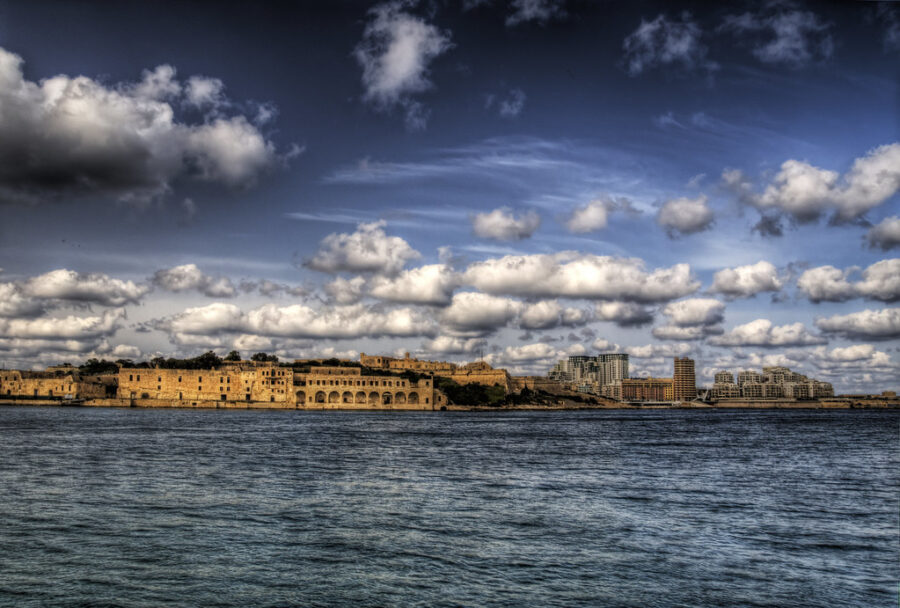
Living in Malta offers a tapestry of experiences, from the vibrant local culture to tranquil seaside living.
Here, every day is an opportunity to immerse yourself in a lifestyle that seamlessly blends modern amenities with rich historical charm, providing a unique backdrop for your Mediterranean adventure.
Renting or buying property
Deciding between renting or buying property in Malta requires a careful look at your long-term goals.
If you’re not ready to commit, the rental market is vibrant and properties come and go quickly, providing plenty of options for short-term stays.
On the other hand, purchasing a home could be an investment in Maltese history and culture if you choose a period house.
Keep in mind that foreigners face certain restrictions when buying property here.
The cost of living in Malta has pushed up housing prices recently.
This might make both renting and buying less appealing than before.
Yet owning property can offer stability and a sense of belonging on the island, especially with Malta’s reputation for safety and high quality of life.
Before making your choice, consider every factor from taxes to where you want to settle down on this beautiful island state.
Healthcare
Once you’ve settled into your new home in Malta, healthcare will be an important part of daily life.
You’ll be glad to know that Malta offers strong public health services.
All Maltese citizens and European Union residents with a European Health Insurance Card can access free healthcare.
Not only do citizens get this benefit, but so do EU nationals and expats working legally on the island.
The main hospital, Mater Dei, is known for quality care and high standards.
With Malta ranked 10th globally for its healthcare system, you can expect excellent medical services.
Keep in mind that most healthcare is centered around hospitals here.
But rest assured, whether renting or owning property in Malta, knowing you have access to top-notch medical assistance brings peace of mind.
Educational institutions
Malta takes pride in its educational system, which offers a variety of options for families.
Private schools are popular and many have links to the Catholic Church or operate independently with oversight from the Ministry for Education.
Students can also choose from state schools and church-run institutions, ensuring there’s an educational path that fits every need.
Schools here follow strict regulations set by the government and must get accreditation from the Ministry for Education.
This ensures a high standard across all types of schools.
Whether you prefer an independent school or a public one, your children will have access to quality education on this diverse island nation.
Leisure activities and lifestyle
Living in Malta means you can enjoy a balance of adventure and relaxation.
You might spend your days diving into the clear blue waters, sailing along the coastline, or playing water polo with friends.
The island’s small size makes it easy to explore different beaches and outdoor spots for sunbathing, swimming, or just unwinding by the sea.
The Mediterranean climate invites a lifestyle where fresh air and sunshine are part of daily life.
Get involved in football games at local fields or join cultural events that celebrate Malta’s rich history.
From hiking trails with breathtaking views to leisurely strolls through ancient streets, there’s always something to enrich your free time.
Conclusion
Thinking of moving to Malta means planning for a sunny, relaxed lifestyle.
You’ll enjoy friendly communities and tasty food inspired by many cultures.
Remember, Malta’s small size makes getting around quite easy.
Watch your budget since living costs can be high compared to other places.
Lastly, take the leap – sunny days and warm welcomes await you in Malta!
Frequently Asked Questions
What should I know before moving to Malta from the USA?
Before you pack your bags for Malta, remember that you’ll need a residency permit to live there long-term. Look into Malta’s permanent residence scheme or citizenship by investment program if you’re aiming for a more permanent stay. Research accommodation in popular places to live and consider the pros and cons of living on this friendly island.
Can I just move to Malta without a job offer?
Moving to Malta without a job lined up is possible, but it’s not as simple as booking a flight. You’ll have to show the Maltese government that you can support yourself. For non-EU folks, applying for a visa beforehand is key—check with Identity Malta for everything you need.
How do I find a place to rent in Malta?
To rent property in Malta, start online or hire an agent once you’re there—you’ll find plenty of options! Prices vary based on location and size, so consider what fits your budget and needs best.
Is getting citizenship in Malta complicated?
Obtaining malta citizenship can be complex—but if you’re thinking about making the move, explore pathways like citizenship through investment or apply for residency first; both are steps toward becoming a citizen.
What’s life like living in one of Europe’s smallest countries?
Living in malta means enjoying warm hospitality amid stunning Mediterranean views—it’s one reason why people love calling it home! But really get to know life here: Consider the cost of living compared with your home country and whether the laid-back island pace suits your lifestyle.
Do I need lots of paperwork to enter malta from a non-EU country?
Yes, there’s paperwork involved—you’ll need documents proving financial stability among others when applying for visas or permits; it proves your ability not only travel but also reside there legally.