Essential Guide For Moving To Dubai: Everything You Need To Know


Last Updated on 29 December 2024
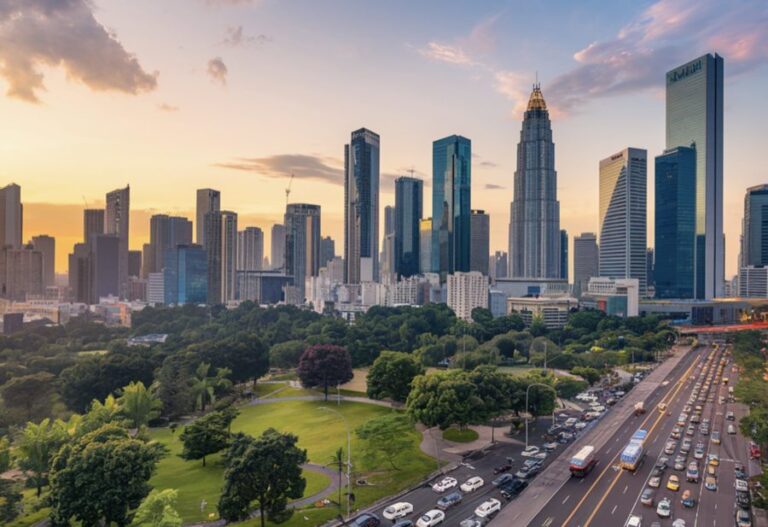
Dubai beckons with a shimmering skyline, unheard-of luxury, and an expat population that outnumbers the locals.
It’s easy to imagine life here as one grand adventure.
But before you leap into this desert oasis, there’s much beneath the surface to understand.
I’m someone who’s navigated these golden sands – from securing residencies for newcomers to guiding them through Dubai’s intricate cultural tapestry.
Here lies a city where inventiveness thrives; recognized among the top 35 innovators worldwide, Dubai is more than just its opulent exterior.
The information ahead cuts through complexities – providing clarity on costs, culture, and everything in between for those considering this bold move.
Key Takeaways
- Dubai has a diverse culture with 85% of its population from outside the UAE, which means newcomers will experience traditions and customs from around the world.
- Residents need medical insurance as healthcare can be costly; employers typically provide this for their employees.
- The cost of living in Dubai is high, with average monthly expenses for a family of four being around USD $4,546 excluding rent. The average yearly income is about USD $53,148.
- Arabic is the official language but learning English is enough for work and making friends; however, knowing some Arabic phrases can be helpful in daily life.
- Safety is a top priority in Dubai – it’s one of the safest cities globally due to strict laws and low crime rates.
Before Moving to Dubai: Important Things to Know

Stepping into the vibrant heart of the UAE, a move to Dubai is more than just an address change—it’s a cultural leap.
You’ll face glittering skyscrapers and ancient traditions, all under one endlessly blue sky—but preparation is key, as this emirate’s unique blend of global influences and local customs creates an experience unlike any other.
Cultural diversity
Dubai’s cultural diversity shines as 85% of its population comes from outside the UAE.
This mix brings together customs, foods, and festivals from all corners of the globe.
Newcomers can expect a rich tapestry of traditions that enhance everyday life in this vibrant city.
From spicy curries to aromatic tagines, language exchanges to art exhibits — Dubai is truly a melting pot.
Embracing new cultures here means more than just learning about different holidays or trying new foods.
It’s about joining a community where every culture contributes to the city’s identity.
Expats often find themselves enriched by the variety of perspectives and experiences they encounter.
Walking through Dubai’s streets feels like a world tour — each neighborhood offers its own unique flavor and story.
Different work week
With such a blend of cultures, Dubai also presents a unique work schedule that might take some getting used to.
Unlike many places in the world, the work week here shifts slightly.
The city pulses with business activity from Monday through Friday, but it winds down on Saturday and Sunday for the weekend.
This shift is aligned with Islamic traditions where Friday holds special significance as a day for prayer and rest.
Keep note during Ramadan or other Islamic holidays; working hours get cut short.
Employees enjoy six-hour days instead of the usual eight or more!
This gives everyone time to engage in religious practices and spend time with family.
It’s part of Dubai’s way of respecting cultural norms while still maintaining its fast-paced economic drive.
Language
Arabic is the official language in Dubai, but you’ll hear English everywhere.
People from all over the world live and work here, so Hindi, Chinese, and Urdu are common too.
To feel more at home, try picking up some Arabic phrases.
Online courses and local classes can make learning easy and fun.
Knowing a bit of Arabic can help with daily tasks like shopping or reading signs.
Yet for work or making friends, English is usually enough.
Dive into language lessons if you’re eager to connect deeper with the culture—embracing new words might open doors to friendships and respect in this diverse city.
Now think about your budget: let’s explore the cost of living next.
Cost of living
Living in Dubai isn’t cheap. Prices are high compared to the rest of the UAE.
Expect to pay around Dhs 7,300 for rent each month.
This doesn’t include your food, transportation, and entertainment costs.
You might spend between AED 3,500 and AED 5,000 per month on these without rental fees.
Families need more money to live comfortably here. For a family of four, monthly expenses can be about USD $4,546.
That includes everything but rent!
Think about salaries too—the average yearly income is about USD $53,148 in Dubai.
This gives you a picture of what you’ll need to earn to manage the cost of living in this vibrant city.
Social scene
Dubai’s social life is bustling and diverse.
Expats enjoy a mix of dining, cultural events, and nightlife.
Fancy restaurants serve food from around the world.
Lots of events keep everyone busy and entertained.
People here come together to celebrate art, music, and sports.
Making friends in Dubai is easy with so many clubs and groups to join.
You’ll find others who share your hobbies or interests quickly.
The city’s welcoming vibe helps newcomers build their social networks fast.
After settling into the lively social scene, attention turns to staying healthy in Dubai – let’s explore healthcare coverage next.
Safety
Dubai takes pride in being one of the safest cities in the world.
Strict laws and heavy punishments for breaking them keep crime rates very low.
Women can feel secure here, thanks to a respectful culture and effective law enforcement.
Whether you’re out late at night or using public transport, you’ll find a sense of safety that’s quite rare.
This makes Dubai an appealing choice for families and solo expats alike.
Moving on to medical insurance, it is crucial to have coverage before you arrive as healthcare can be expensive without it.
Medical insurance
Having medical insurance in Dubai is a must. It’s tough to get health care without it.
Your boss should give you health coverage when you work for them.
If you’re bringing family, make sure they are covered too.
You can also grab a healthcare card that slashes basic service costs by half for about AED 500.
Once settled with your insurance, understanding Ramadan and Islamic holidays will help smooth your transition into the community.
These times are special and affect daily life across the city.
Ramadan and Islamic holidays
Dubai respects the holy month of Ramadan, a time when Muslims fast from sunrise to sunset.
Life in the city adjusts during this period; work hours cut down to six hours a day.
Everyone must steer clear of eating and drinking in public while the sun is up.
Be mindful that even non-Muslims should follow these rules out of respect.
Eid al-Fitr lights up Dubai right after Ramadan ends. It’s a joyful holiday with lots of feasting and fun.
Gifts are shared, making it feel like a big party across the city.
The lunar calendar sets Ramadan’s dates, so they shift each year—plan accordingly if you’re moving to Dubai during this season!
Rules and regulations
Living in Dubai means following strict local laws. You can’t take pictures of people without saying it’s okay first.
Keep poppy seeds at home—they’re not allowed here.
Remember that eating or drinking while on the bus or train is a no-go too.
If you enjoy a drink now and then, get an alcohol license; it’s needed to buy, carry, or have alcohol in your place.
Next up, let’s consider how to make your move smooth with practical steps for relocating to this vibrant city.
Climate
Dubai’s weather is mostly sunny and hot, especially in the summer months.
Expect temperatures to soar and humidity to make things feel even hotter.
The city doesn’t get much rain – most of it falls in winter.
Stay cool by drinking lots of water and wearing sunscreen if you’re out in the sun.
Watch for sandstorms too, as they can suddenly reduce visibility.
The best time to move here is during winter when it’s cooler.
Always carry water with you and seek shade regularly to beat the desert heat.
Practical Guide for Moving to Dubai

Embarking on your Dubai adventure means navigating through a maze of paperwork and cultural nuances—our practical guide lays out the essentials you need to tackle every twist and turn, ensuring a smooth transition; read on for that confident first step into your new desert home.
Legal requirements for different nationalities
Different nationalities must meet various legal requirements to move to Dubai.
If you’re from Australia, the EU, UK, or US, good news—you can enjoy a 30-day visit without prior arrangements.
But if you plan to stay longer or relocate for work, you’ll need a residency visa and possibly other documents.
The process starts with getting your passport ready; make sure it’s valid for at least six months beyond your planned stay.
For those needing a visa before arrival, partner with a sponsor in Dubai—this could be an employer or family member.
They will help with the entry permit that lets you enter the country.
Once there, apply for your residency visa and work permit right away since these are crucial for living legally in Dubai.
Keep copies of important documents like your passport handy because you’ll often need them during this process.
Always check current guidelines as regulations can change quickly!
Cost of living considerations
Living in Dubai can be more expensive than other parts of the UAE.
For a single person, monthly costs without rent range between AED 3,500 and AED 5,000. Families need to plan for higher expenses; a family of four spends on average around $4,546 each month, including an estimated average rent of $1,193.
Everyday items like groceries, transportation, and utilities add up quickly.
To afford this lifestyle comfortably with the cost of living in Dubai being double the national average, it’s important to have a good job or steady income.
The average annual salary here is about USD $53,148 which helps balance out these costs.
Be mindful that rental prices vary greatly depending on what you’re looking for—starting at AED 4,500 per month for something basic to much higher for luxury properties in prime locations.
Keep track of your spending habits as traffic congestion and high competition for jobs are real challenges here too!
Setting up finances
Cost of living considerations give you a peek at expenses, but managing your money is key.
Setting up finances in Dubai needs careful planning and a few important steps:
- Open a bank account: You’ll need documents like your passport, visa, and employment contract. Choose a bank that suits your needs and offers online services.
- Understand the Dirham: Know that the official currency is the Dirham (AED) which is pegged to the US dollar. It keeps exchange rates stable.
- Plan for tax-free earnings: Enjoy no personal taxes on your income, but budget wisely because spending can be high.
- Use exchange services: For sending money home or business, find reliable currency exchange providers with good rates.
- Set budgets: Track your income versus living costs. Aim to save for emergencies and fun activities too.
- Learn about local costs: Daily items have different prices in Dubai compared to home. Study them to avoid surprises.
- Keep cash ready: While cards are widely accepted, some places require cash like taxis and small shops.
- Get health insurance: It’s mandatory. Ensure it covers all medical needs and understand how it works with healthcare coverage.
- Manage rent expenses: Be aware rents can eat up your budget; look into areas within your means.
Finding a job
Finding a job in Dubai can be exciting and challenging.
With strong competition for positions, it’s important to prepare and stand out.
- Start with research on industries and companies where you want to work. Look into top fields like tourism, finance, real estate, and construction.
- Update your resume to match Dubai’s standards. Highlight your skills and experience clearly.
- Use online job portals like Bayt, Monster Gulf, and GulfTalent. Also, check out LinkedIn for professional connections.
- Networking is key—connect with expats in Dubai and attend events related to your field.
- Consider recruitment agencies—they can help match you with the right job opportunities in Dubai.
- Tailoring your cover letter for each application is crucial. Show how you can meet the specific needs of the employer.
- Prepare for interviews by understanding common practices in Dubai. Practice answering questions about adapting to life in the UAE.
- Acquire new skills that are in demand in Dubai. This will make you more attractive to potential employers.
- Be patient—finding a job may take time but stay motivated and keep applying.
Accommodation options
Dubai has a home for everyone, whether you want a cozy apartment or a spacious villa.
The city’s rental market is bustling, offering diverse living spaces to suit different tastes and budgets.
- Apartments are popular among singles and small families. They come in various sizes, from studio flats to multi-bedroom units.
- Villas offer more space and often have private gardens. They are ideal for larger families or those seeking a quiet neighborhood.
- Townhouses strike a balance between apartments and villas. These are great if you need extra room but not the vast space of a villa.
- Short-term rentals work well for newcomers. You can rent these fully-furnished spaces while you explore longer-term options.
- Long – term rental contracts typically last for one year. These give you stability as you settle into your new life in Dubai.
- Dubai Marina, Business Bay, JLT, and City Walk are top areas to rent. Each neighborhood boasts unique features and amenities.
- For budget – friendly living, consider Deira or International City. These areas offer lower rent without compromising on convenience.
- Rental prices start at AED 4,500 per month but vary widely. Factors include location, size, and whether the place comes furnished.
- Most rental agreements require a security deposit and several months’ rent upfront. Prepare your finances accordingly before signing a lease.
- Always check what utilities are included in the rent. This way, there are no surprises with additional bills for water or electricity.
Healthcare coverage
Moving to Dubai brings up many questions, especially about healthcare.
You need good health insurance to live and work there comfortably.
- Expats must have medical insurance. It’s the law, and without it, access to hospitals and clinics could be tough.
- Your employer should provide insurance for you. They are required by law to do so, and you should check that it covers all your needs.
- Dependents also need coverage. If you’re sponsoring family members, you’ll need to get them insured as well.
- Healthcare cards are available for expats. For a fee, these cards offer discounts on basic services like check-ups.
- The cost of healthcare in Dubai can be steep. Make sure your insurance plan includes comprehensive care options.
- High – quality facilities expect health insurance. To enter top hospitals or see the best doctors, your plan has to be accepted there.
- Insurance should fit your lifestyle. If you travel often or have specific health needs, make sure the policy accommodates that.
- Understand the fine print in your policy. Know what is covered – from emergency procedures to routine doctor visits.
Language learning
Arabic might seem tough, but it’s worth your while to learn a few phrases.
Luckily, there are free online courses and local classes to help you get started.
Understanding Arabic can give you an edge in professional spaces and make daily life smoother.
Plus, knowing the language helps you understand UAE laws better.
You’ll find that English is widely spoken in Dubai, which makes things easier at first.
But diving into Arabic opens doors for deeper connections with locals.
Chat with neighbors or strike up conversations at the market – practice makes perfect!
And don’t worry; many expats have walked this path before you—plenty of resources and communities are there to support your journey in becoming multilingual.
Building a social network
As you get comfortable with the local language, it’s time to weave your own social fabric in Dubai.
Dive into the lively expat community which makes up 85% of the population.
Attend cultural events, join sports clubs, or take part in networking groups – these are great ways to meet new faces and build friendships.
You can also explore online forums and social media groups dedicated to Dubai residents.
This city buzzes with opportunities for self-employed individuals and influencers too – making professional connections can be as rewarding as personal ones.
Finding others who share your interests is key.
Maybe start a hobby or volunteer; this often leads to meeting like-minded people.
Keep an open mind and don’t shy away from invitations to social gatherings, whether it’s a desert safari or a beach BBQ.
Every interaction could lead to a stronger network — crucial when living far from home!
Emergency contacts
Living in a new country means knowing who to call in an emergency.
Dubai has specific numbers for different types of urgent help.
- Dial 999 if you need the police or an ambulance. They respond to all major emergencies.
- Call 997 for fire-related incidents. Firefighters in Dubai are well-trained to handle fires quickly and safely.
- For visa issues, find your embassy or consulate’s number. Each country’s representatives can help with legal and travel problems.
- Save local contacts like your landlord, workplace, and nearby friends too. In case of personal emergencies, they can offer support fast.
- Keep details for the Dubai Electricity and Water Authority (DEWA). If there’s a utility problem in your home, they’re the ones to fix it.
- Make sure you have a healthcare provider’s contact. When medical issues arise, knowing where to go makes a big difference.
- Write down taxi services and car assistance numbers. If you get stranded or your car breaks down, quick transport is essential.
- Note the number for lost bank cards. Should you lose yours, blocking it immediately prevents fraud or theft.

Working and Living in Dubai
Navigating the work and life balance in Dubai can feel like a thrilling adventure — this bustling city presents a canvas where expatriates paint their new lives, brimming with opportunity.
Here’s how you can embrace the dynamic rhythm of working, socializing, and thriving in Dubai’s vibrant landscape.
Working regulations
In Dubai, the work week runs from Sunday to Thursday.
Most jobs give you Fridays and Saturdays off to relax or explore the city.
During Ramadan and other Islamic holidays, work days are shorter.
You’ll only work six hours a day!
This helps people follow religious practices during these special times.
Getting a job here can mean big financial perks. Companies often pay well and there’s no income tax on your salary!
Plus, many employers handle your visa paperwork for you.
They might even throw in housing or an allowance for rent.
Once you secure a job, then it’s all about getting settled and enjoying life in Dubai—whether that’s advancing your career or diving into the vibrant social scene.
Salary and taxes
After understanding the working regulations, let’s talk money.
Living in Dubai means you can say goodbye to income taxes.
Here, your salary stays whole because the UAE Federal Government does not tax individual earnings or companies.
You keep what you earn! This is a huge plus for anyone dreaming of saving more money.
Salaries in Dubai are handsome too—they vary by job but generally stay competitive.
If you’re teaching, expect to make around Dhs 15,000 each month.
Engineers often see about Dhs 25,000 monthly hitting their bank accounts.
On average, people take home USD $53,148 a year here.
That’s plenty of incentive to work hard and enjoy the tax-free benefits this vibrant city has to offer!
Education
Dubai has a range of schooling options for families.
From nurseries to universities, you can find government schools and private international institutions.
Parents should look into schools early and think about what they can afford.
It’s also wise to understand the local culture and how it shapes education.
Choosing the right school is key in Dubai.
You’ll want a place that fits your child’s needs and your family values.
Look at different schools, their curriculums, and talk with other parents.
Make sure to save money for fees as some top schools have high costs but offer excellent education opportunities.
Driving
Driving in this vibrant city means following some key rules.
You need to be 21 or over and pass a test to get your license.
Don’t forget the AED 500 fee and all the right papers!
Once you’re on the road, make sure you have car insurance.
If taxis are more your style, they’re usually cheaper than ride-hailing apps.
Keeping an eye on fuel costs matters too.
Expect lots of traffic and ongoing construction work that might slow you down.
And remember, Dubai’s heat can affect driving conditions.
Summer days often reach a scorching 40°C with humidity above 90%. Always pack water and stay cool!
Women in Dubai
Dubai is a beacon of opportunity for women from all over the world.
The city boasts low crime rates, offering a safe environment for females to live and work confidently.
With top international companies headquartered here, women find themselves in the midst of thriving career prospects.
Life in Dubai comes with high standards; modern solutions simplify day-to-day tasks, enhancing comfort and convenience.
For those considering moving to Dubai, popular areas like Dubai Marina and Al Barsha offer great amenities and easy access to services.
Looking for affordability?
Places such as Jumeirah Village Circle provide cost-effective living without sacrificing quality.
Women can enjoy diverse communities, vibrant social scenes, and work environments that respect their contributions and potential growth.
Mental wellbeing
Caring for your mind is as important as finding your place in the city.
Living in Dubai offers a fresh work-life balance with a work week from Sunday to Thursday, giving you time to unwind on Friday and Saturday.
This often leads to less stress and better mental health.
With medical insurance for expats, help is there when you need it most.
You can take care of yourself without worrying about high healthcare costs.
Dubai’s modern transport systems like the Metro make getting around easy and efficient, saving you time and hassle.
A smooth commute can really boost how you feel every day.
Plus, being part of a multicultural community means lots of new friends and support networks at your fingertips – all good for feeling happy and connected!
Fun and Exciting Things to Do in Dubai
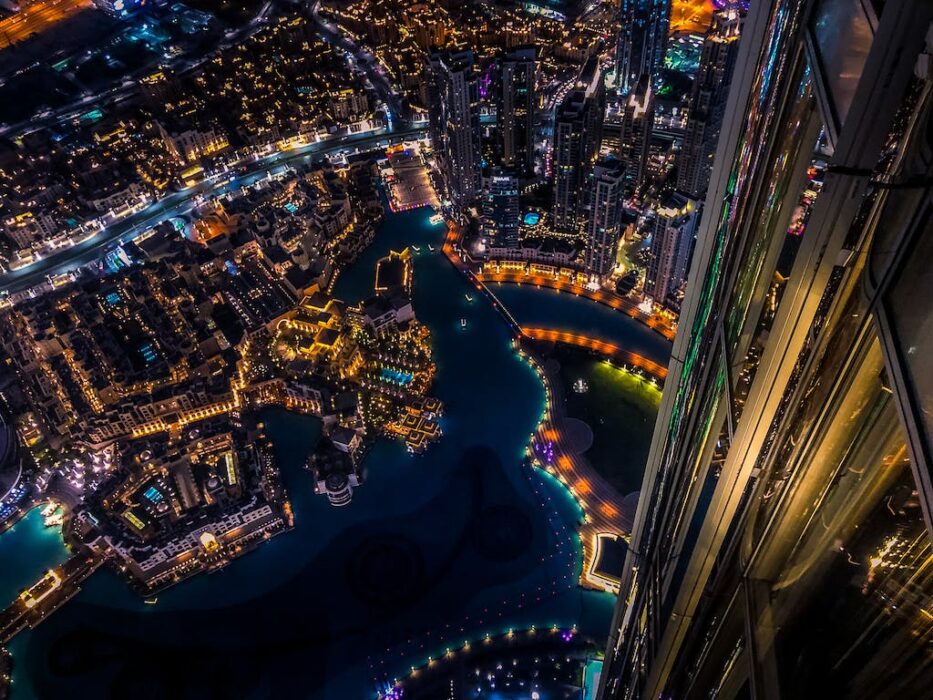
While you’re navigating your new life in Dubai, don’t forget to indulge in the endless leisure activities it offers.
From skydiving over the iconic Palm Jumeirah to exploring the depths of the Dubai Mall aquarium, thrill-seekers and culture enthusiasts alike will find their slice of paradise in this vibrant city.
Cost of living in Dubai
Living in Dubai isn’t cheap. In fact, the cost of living is about double compared to the rest of the UAE.
A family of four needs around $4,546 each month for expenses, rent included.
If you’re single or have a smaller family, your costs might be less.
Earnings here can help with the high prices.
The average salary in Dubai hits about $53,148 yearly.
That’s good news when planning a budget!
Rent plays a big part too – starting at AED 4,500 per month and changing based on where and how you choose to live.
Transportation
Getting around Dubai is a breeze with its efficient transportation system.
The city boasts a modern metro, trams, and buses that connect all the key spots.
You can also hail private cabs or use ride-hailing apps like Uber for more comfort.
If you’re counting pennies, public taxis are your best bet—they’re kinder to your wallet than app-based rides.
Hop on the bus or train using a Nol Smart Card; it’s how everyone pays for travel in Dubai.
This handy card not only streamlines payments but also scores you some discounts on fares.
Want to drive yourself?
Make sure you’ve got a legit driving license from Dubai by passing their test and paying the fee—about AED 500 should cover it.
Remember to get car insurance too!
Healthcare and education services
Dubai takes care of its residents with healthcare cards that cut costs in half for basic medical needs.
If you live there, it’s a must to have these cards for cheaper doctor visits and treatments.
For families, Dubai’s schools range from international to public, offering education for all ages.
It’s smart to look at each school’s style, fees, and where it is before deciding.
Choosing a good school means checking what they teach and how much it will cost you.
There are lots of options so every child can find the right fit.
Health insurance is important too; without it, getting medical help can be hard or very expensive.
Local activities and events
While healthcare and education lay the foundation for a well-balanced life, Dubai’s local activities and events add vibrant colors to your social canvas.
The city buzzes with energy, offering a rich tapestry of experiences that cater to all tastes.
Feel like royalty at the extravagant weekend brunches where feasting meets socializing in an indulgent spread of cuisines and drinks.
On ladies night, women enjoy special perks such as free drinks and discounted dining options across countless venues.
The cultural scene is just as dynamic, reflecting Dubai’s diverse population.
Festivals celebrate everything from food to film, while art galleries showcase both regional and international talent.
Sports enthusiasts can participate in or watch world-class events including golf tournaments, horse races, and tennis opens.
These activities not only entertain but also provide ample opportunities to mingle with locals and expats alike, making connections that turn a new city into home.
Pros and cons of moving to Dubai
Deciding to relocate to Dubai involves a nuanced assessment of various factors.
Here’s a look at some of the pros and cons to weigh before packing your bags for this vibrant city.
| Pros of Moving to Dubai | Cons of Moving to Dubai |
|---|---|
| Tax-free income enhances the appeal of working here. | Cost of living can be high, making it tough for those earning a minimum wage. |
| Dubai boasts a rich tapestry of cultural diversity. | Extreme summer temperatures reach 40°C, coupled with high humidity. |
| Strict laws ensure Dubai is a remarkably safe city. | Traffic congestion is a common challenge for residents. |
| A plethora of job opportunities in various sectors exists. | Job market competition is fierce; securing a position may be difficult. |
| World-class healthcare is available with the right medical insurance. | Accessing healthcare can be complex without adequate insurance coverage. |
| Luxury housing and accommodation options abound. | Rental prices are steep in sought-after neighborhoods. |
| Abundant entertainment and leisure activities cater to all tastes. | Observing Ramadan and Islamic laws requires lifestyle adjustments for non-Muslims. |
| Educational standards are high, with many international schools. | School fees are expensive, adding to the cost of family life. |
Dubai’s allure is undeniable, from its tax-free salaries to its safe streets.
High living costs and intense heat are aspects to consider.
Understanding these dynamics is crucial when deciding on a move to this dynamic emirate.
Conclusion
Moving to Dubai can be an exciting adventure. It’s a city that welcomes everyone with warm sunshine and cool malls.
With careful planning, your new life in Dubai will start smoothly.
Remember how important it is to have medical insurance and learn the local rules.
Make sure you explore all that this dazzling city has to offer from delicious food to stunning skyscrapers.
Lastly, embrace the diversity and innovation that makes Dubai truly unique!
Frequently Asked Questions
What should I know before moving to Dubai?
Before you pack your bags for Dubai, get familiar with the local culture, language of the UAE, which is Arabic, and laws. You’ll need a residence visa to live there and a work visa if you’re planning on working in Dubai.
Do I need lots of paperwork to move to Dubai?
Yes, be ready with copies of your passport because you’ll need them for everything from getting a bank account in Dubai to applying for your visas. It’s important!
Is it easy to find transport in Dubai?
Dubai makes getting around simple with its efficient system like the Dubai Metro. Plus, taxis are everywhere – exploring this energetic city couldn’t be easier!
How does working in Dubai compare to places like London or New York?
Working weeks go from Sunday through Thursday here! And expect shorter hours during the holy month of Ramadan; it’s part of life when living and working in UAE cities.
Can anyone open a bank account in Dubai?
Sure thing! Once you enter Dubai and have your residency sorted out, opening a bank account is straightforward—just another step toward setting up your new life there.
What’s unique about living as an expat child or single person living in Dubai?
Dubai is a melting pot welcoming people from all over—it’s safe and offers plenty for everyone whether you’re moving alone or with family.