
Moving To Bali: Everything You Need To Know


Last Updated on 24 December 2024
Moving to Bali isn’t just a daydream for the sun-chaser or the avid surfer—it’s a tangible leap into a vibrant culture amid some of the world’s most breathtaking landscapes.
As an expat who has navigated this transition, I’ve curated a treasure trove of on-the-ground insights and must-know tips that will smooth your path to living in paradise.
From navigating visa options like the popular 2-year temporary resident permit, to finding your perfect beachside villa, my experience serves as your compass.
Bali promises an enchanting blend of natural beauty and cultural richness, but it’s not without its practical considerations—healthcare systems and local customs may differ drastically from what you’re used to back home.
This article is crafted to arm you with everything essential—from how much you’ll likely spend monthly (hint: it could be as low as $1000), to why sipping tap water might not be wise.
Stay tuned; this guide is your first step in making those Bali sunset views your everyday reality.
Key Takeaways
- Bali offers various visa options like tourist visas for 60 days and social visas for six months. There’s also a KITAS work permit if you plan to work.
- Monthly costs in Bali range from as low as $750 for a single person to over $2,600, depending on lifestyle choices. Couples and families often save more by sharing expenses.
- Renting or buying housing requires planning since deals are usually paid upfront, with popular expat areas including Ubud, Canggu, and Seminyak.
- Healthcare in Bali is not up to Western standards; many expats travel to Singapore or Malaysia for serious medical procedures. Having health insurance that covers medical evacuation is advised.
- Learning basic Bahasa Indonesia and understanding local culture and customs will help you settle into the Balinese community more easily.
The Basics of Moving to Bali
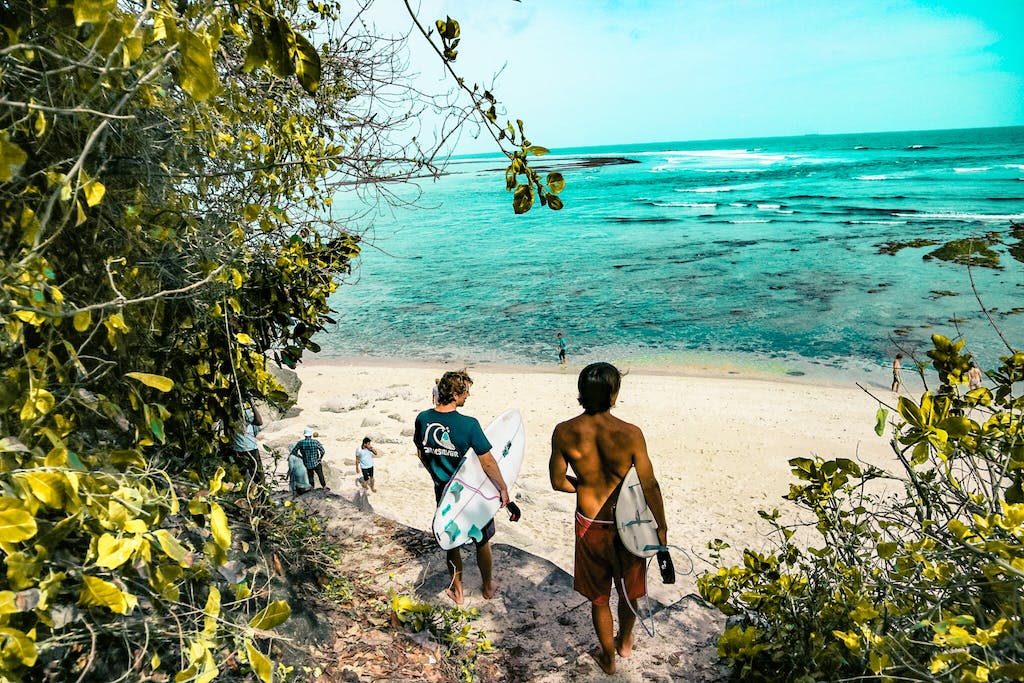
Diving into the essentials of relocating to Bali, you’ll want to arm yourself with knowledge on navigating the local bureaucracy for a smooth transition.
From grappling with visa requirements to balancing your budget against the cost of tropical living, we’ve got the insights you need to start your Balinese adventure on solid ground.
Visa & Entry Regulations
Bali offers different visa types depending on how long you want to stay.
You can get a tourist visa for 60 days or a social visa for six months.
If you plan to work, you’ll need a KITAS work permit.
Without it, the Indonesian government may deport you.
Make sure your passport is valid for at least six months before applying for any Bali entry visa.
You can extend some visas if needed while in Bali, but always follow legal steps to avoid trouble.
Rules change, so check with the Indonesian embassy before making plans.
Cost of Living
Understanding the cost of living is crucial when planning your move to Bali.
Whether you’re a budget backpacker or a luxury expat, knowing how much you’ll spend is essential to making your Balinese dream sustainable.
Here’s a breakdown of the typical expenses you might encounter:
| Expense Category | Low Budget | Mid Range | High End |
|---|---|---|---|
| Housing (monthly rent) | $150 – $400 | $400 – $1,000 | $1,000 – $2,500+ |
| Utilities (monthly) | $40 – $80 | $80 – $150 | $150 – $300+ |
| Groceries (monthly) | $150 – $200 | $200 – $400 | $400 – $800+ |
| Dining Out (monthly) | $100 – $200 | $200 – $400 | $400 – $1,000+ |
| Transportation (monthly) | $20 – $50 | $50 – $150 | $150 – $400+ |
| Healthcare (monthly average) | $20 – $40 | $40 – $100 | $100 – $200+ |
| Leisure Activities (monthly) | $50 – $100 | $100 – $250 | $250 – $500+ |
| Miscellaneous | $50 – $100 | $100 – $200 | $200 – $400+ |
Expenses will vary based on personal choices and lifestyle.
Couples and families often enjoy considerable savings as they share housing and other costs.
A single person’s monthly budget might be as low as $750 or as high as $2,600.
The key is to find the right balance that matches your desired quality of life with your financial capabilities.
Housing Options
While the cost of living in Bali is generally affordable, housing is an area where you’ll need to plan carefully.
Renting a home could mean paying for it all at once. This often happens through deals made on Facebook or local connections.
You will find a wide range of options, from cozy traditional homes to modern villas with pools.
Expats love places like Ubud, Canggu, and Seminyak because they mix local culture with modern comforts.
In Uluwatu, you can live near stunning cliffs and beaches.
Each place offers something unique whether it’s the yoga scene in Ubud or surfing in Canggu.
Remember to consider your needs and budget when picking your new home in Bali!
Healthcare
Healthcare in Bali isn’t the best. Many people who live there go to Singapore or Malaysia when they need serious medical care.
Keep this in mind if you’re planning to move. Always drink bottled water because the tap water can make you sick.
“Bali belly” is a common stomach problem both tourists and locals get.
Siloam Hospital and Sanglah Medical are known as good hospitals on the island, but remember that healthcare overall may not meet what you’re used to.
If you’re moving from places like the United States, expect differences.
It’s smart to have travel insurance or health coverage that includes medical evacuation for emergencies.
Also, be sure to bring any important medicine with you because it might be hard to find once you arrive in Bali, especially for women’s health issues which aren’t well covered there.
This way, your move will go more smoothly and safely!
Why Choose Bali?

Bali beckons with its unique blend of enchanting culture and scenic beauty, offering an alluring escape for those seeking a fresh chapter in life—dive deeper to discover why this island paradise might just be your next home.
Beautiful landscapes and beaches
Bali dazzles with its natural beauty and postcard-perfect scenes.
Picture crystal-clear waters, soft white sands, and sunsets that light up the sky in brilliant colors.
The island’s beaches beckon surfers, swimmers, and sunbathers from all over the world.
Inland, lush tropical forests offer a cool retreat and the chance to explore hidden waterfalls.
Up in the mountains, you can gaze out at terraced rice paddies that glimmer like emerald stairways to heaven.
Every turn on this Indonesian island brings a new breathtaking view or adventure under the warm tropical climate.
After soaking up Bali’s stunning landscapes, you might find yourself drawn into its equally inviting expat community.
Welcoming expat community
Many people from around the world call Bali home.
They form a diverse and lively group that’s always ready to welcome newcomers with open arms.
You’ll find a mix of artists, entrepreneurs, and retirees in this expat community.
Everyone brings their experiences and stories to share.
Expats often gather for beach clean-ups, cultural festivals, and potluck dinners.
These events make it easy to meet new friends who can help you settle into your new life.
Clubs and social groups are popular too.
They focus on hobbies like surfing, yoga, or cooking traditional Balinese food.
Joining these groups is a great way to feel connected while living abroad.
Potential for job opportunities
Bali is buzzing with job options for expats.
The island’s economy thrives on tourism, hospitality, and digital work.
Want to launch a startup or collaborate with the arts? You’re in luck here.
Teachers and tech gurus also find Bali ripe for new ventures.
With living costs lower than many places, starting fresh can be easier on your wallet.
Meet experts at local networking events in Bali.
These gatherings are goldmines for making contacts and snagging jobs.
Expats often connect over coffee or beach meetups, sharing leads on jobs and business ideas.
Whether you’re into event planning or sustainable projects, Bali’s job market welcomes wide-ranging skills.
Affordable living costs
Living in Bali means more money in your pocket.
The island has a low cost of living, especially when you compare it to many Western countries.
You might spend between $750 and $2,600 per month for all your needs if you’re single.
Think about rent, food, transportation, and fun activities—that’s your budget ballpark.
Couples and families get an even better deal because they share costs like housing.
It makes life on this tropical paradise much easier on the wallet.
Eating local foods, renting scooters, and enjoying the natural beauty can be done without breaking the bank.
Affordable doesn’t mean sacrificing quality either; from fresh fruits to vibrant markets and cozy cafes—the Balinese lifestyle offers both savings and richness of experience.

Alternatives to Bali
While Bali might be at the top of your dream destinations list, don’t overlook other gems that could offer a similar slice of paradise.
From bustling cityscapes to serene beaches, each alternative expat haven presents its own unique flavor and set of perks for those considering a life abroad in Indonesia or beyond.
Other popular expat destinations
Bali’s vibes and scenery attract lots of expats, but there are other amazing spots around the world that inspire a big move.
Each place offers its own unique charm and opportunities for those dreaming of an expat life.
- Thailand welcomes expats with its vibrant street life, lush landscapes, and cultural richness. Living costs can be low, especially outside Bangkok.
- Vietnam is known for its bustling cities like Ho Chi Minh City and Hanoi, tasty food, and dynamic culture. Plus, it’s very affordable for expats.
- Chile boasts diverse landscapes from mountains to beaches. Santiago is a hub with modern amenities at reasonable prices.
- Colombia has been growing as an expat favorite due to its warm people and colorful cities like Medellin which has a spring-like climate all year round.
- Malaysia offers a mix of traditional and modern living, especially in Kuala Lumpur. Its My Second Home program is popular among retirees.
- Sri Lanka’s enchanting beauty comes from its ancient ruins, tea plantations, and friendly locals. The cost of living makes it appealing too.
- Albania presents a European lifestyle without the high costs. Its stunning coastline on the Adriatic Sea captivates many expats.
- Croatia’s coastal towns like Dubrovnik offer Mediterranean bliss with centuries – old history to explore.
- Greece provides island life alongside historical marvels. Athens is both an ancient city and a busy modern capital.
- Peru introduces expats to awe – inspiring Incan sites like Machu Picchu along with dramatic Andean scenery.
- Ecuador rounds out the list with its biodiversity hotspots like the Galapagos Islands and colonial cities such as Quito.
Other locations in Indonesia
Bali is a top choice for many, but Indonesia has plenty of gems to explore.
Each place offers its own unique vibe and opportunities.
- Nusa Penida: This island near Bali is a haven for divers and snorkelers. Its clear waters are home to manta rays and colorful coral reefs. Quieter than Bali, it’s perfect for a peaceful retreat.
- Lombok: Just east of Bali, Lombok is known for its stunning beaches and surf spots. Mount Rinjani, an active volcano, invites trekkers seeking adventure.
- Sumbawa: Further east from Lombok, Sumbawa boasts world-class waves for surfing enthusiasts. The island’s rugged terrain provides an off-the-beaten-path experience.
- Labuan Bajo: A gateway to the Komodo National Park, this fishing town is where you can see the famous Komodo dragons. It also serves as a base for exploring nearby pristine islands.
- Malaysian Sabah: On the island of Borneo, Sabah features incredible wildlife in lush rainforests. It’s ideal for those who love nature and trekking.
- Malaysian Sarawak: Also on Borneo, Sarawak offers rich cultural heritage and exotic experiences such as visiting longhouses in the jungle.
Settling in Bali
Once your plane touches down and the vivid hues of Bali’s sunset kiss the day goodbye, you’re no longer just a visitor – you’re on your way to becoming a part of this enchanting island community.
It’s about leaning into a new rhythm, where market haggling skills will become as crucial as finding that perfect villa nestled between verdant rice paddies or a bustling beach town.
Preparation before arrival
Getting ready for Bali is exciting and important.
You’ll need to plan carefully to make a smooth move.
- Understand the visa requirements: Figure out which visa you need for your stay. Long-stay visas and work permits vary by country of origin.
- Set up your finances: Look into banking options and understand any tax implications before moving.
- Choose where to live: Think about what you want nearby, such as beaches, shops, or schools. Pick a place in Bali that fits your lifestyle and budget.
- Health comes first: Learn about hospitals in Bali and consider health insurance options available to expats.
- Plan for property: If you’re thinking of buying land or a house, research the rules for foreigners owning property in Bali.
- Get familiar with the language: While many people speak English, learning basic Bahasa Indonesia will help you connect with locals.
- Respect local customs: Read up on Balinese culture to show respect and avoid misunderstandings.
- Be ready for change: Prepare mentally for unexpected challenges as you adjust to life in Bali.
Finding a place to live
Finding the perfect home in Bali can be exciting.
You have many lovely areas to choose from.
- Check out Facebook groups and Marketplace for real – time listings. Many people post available homes and villas here.
- Visit Rumah123.com or OLX.co.id for a wider selection. These websites list properties for rent or sale.
- Explore popular locations like Canggu, Ubud, and Sanur. Each spot offers unique vibes and communities.
- Consider quieter places like Amed or Lovina if you prefer a peaceful setting. They are away from tourist hotspots.
- Look at housing options in advance of your move. It helps to know what’s available and fits your budget.
- Decide if you want a house, villa, or apartment. Bali provides different styles of living spaces.
- Think about amenities that are important to you. Do you need quick internet, a pool, or close access to the beach?
- Renting a scooter makes getting around easier. Many expats in Bali choose this convenient option.
- Get help from a local real estate agent if needed. They can offer valuable insights into the housing market.
- Walk around neighborhoods that interest you. You might find hidden gems not listed online.
Setting yourself up for the long term
Living in Bali is a dream for many, but it requires careful planning.
Establishing a life there means embracing a new way of life and dealing with unexpected changes.
- Choose the right visa for your needs: There are several visas available, from tourist visas that last 2 months to retirement visas good for 5 years. Decide which one fits your lifestyle and make sure you follow the rules to stay legally in Bali.
- Plan your budget wisely: Costs can range from $1,000 to over $7,500 per month. Look at your income sources and plan how much you can spend on living expenses, entertainment, and savings.
- Find a long-term home: Bali offers a wide range of housing options. Pick a place that suits your budget and your needs. Consider renting before buying to make sure the area feels right.
- Set up healthcare: The healthcare system differs from the United States. Make sure you have health insurance that covers you in Indonesia and learn where the nearest hospitals and clinics are.
- Understand the culture: Balinese customs can be very different from what you’re used to. Learn about local etiquette, holidays, and how people interact daily.
- Learn some language basics: While many people speak English, knowing some Bahasa Indonesia will help you connect with locals and navigate daily life more smoothly.
- Open a local bank account: This makes managing finances easier. You’ll need it for everything from paying rent to setting up utilities.
- Get connected: Set up your internet service and find out which mobile provider offers the best coverage in your area. Staying connected is key for both work and socializing.
- Prepare for the climate: The rainy season in Bali comes every year. Get ready with appropriate clothing and know-how to deal with possible flooding or transportation issues.
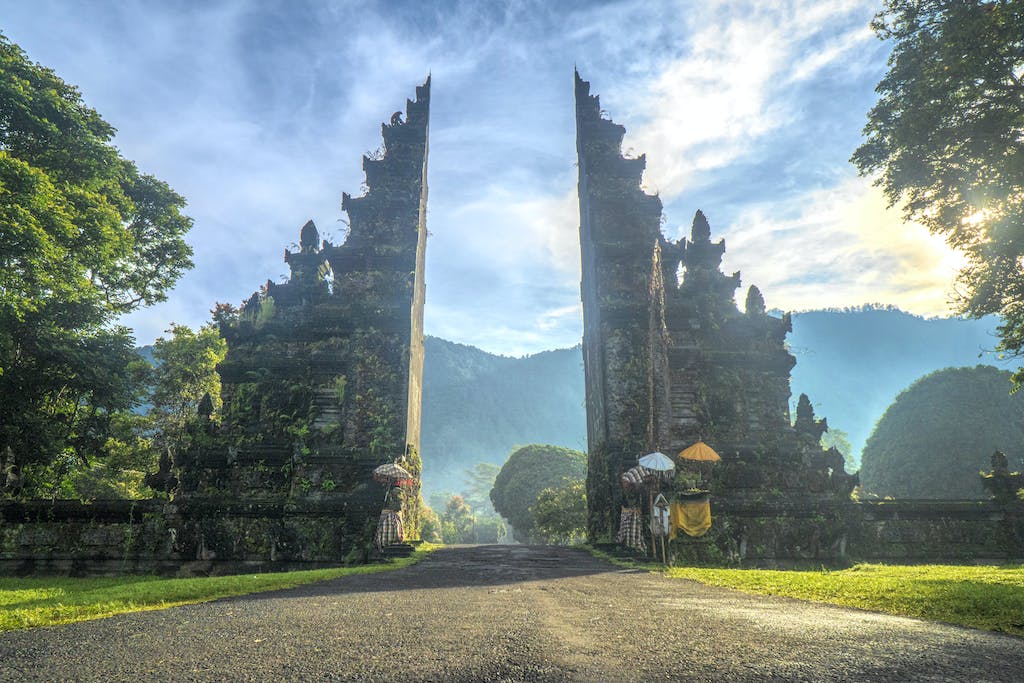
Things to Know Before Moving to Bali
Peeling back the layers of Balinese culture and daily intricacies is essential — from navigating language nuances to adapting to tropical etiquette, our guide equips you with the know-how for a seamless transition into island life; dive in for these pearls of wisdom that await your discovery.
Cultural differences
In Bali, the daily life and traditions are deeply rooted in Hinduism.
You will see many “pura,” or temples, where locals gather for religious and community activities.
Understanding this spiritual aspect of Balinese culture is crucial for anyone planning to move there.
Remember to show respect by dressing modestly, especially when visiting these sacred spaces.
Balinese society values age-earned wisdom; elders are held in high regard.
The concept of “Tri Hita Karana” shapes interactions—it’s about living in harmony with people, nature, and the spirit world.
As you spend time on the island, joining ceremonies and festivals can help you connect with the local way of life.
Always cover your shoulders and knees as a sign of respect—this small gesture means a lot in maintaining good relationships within the community.
Language barrier
Speaking Indonesian helps a lot in Bali.
You can express your needs and make friends with locals.
Even in busy tourist spots, knowing the language is useful.
Prices may go down when you bargain in Indonesian.
Learning basic phrases opens doors to Balinese culture, too.
Don’t worry if it’s hard at first – keep trying!
Talk with neighbors or join a language class. It gets easier the more you practice.
Soon, chatting with people around Bali will feel great!
Local customs and etiquette
Local customs and etiquette in Bali are rooted in a deep respect for spiritual practices.
Dress modestly, especially when visiting temples or rural communities.
It’s important to cover your shoulders and knees as a sign of respect.
Balinese people value harmony, following the Tri Hita Karana principle that promotes balance with nature, others, and the spiritual world.
Always show respect for elders and acknowledge local hierarchies; it’s a key part of social interactions here.
Don’t touch anyone’s head – it’s considered sacred. Use your right hand for giving or receiving items to honor local practice.
Understanding these nuances will help you blend into the community seamlessly.
Next up: learn about tips for adjusting to life in Bali..
Tips for adjusting to the lifestyle
Understanding local customs and etiquette is just the beginning.
Adapting to the lifestyle in Bali takes some practical know-how too. Here are the essentials:
- Embrace the slower pace of life. Balinese culture values a relaxed approach to day-to-day activities. Don’t rush—enjoy taking your time.
- Learn basic Bahasa Indonesia phrases. Communicating with locals is easier when you speak a bit of their language.
- Dress modestly, especially when visiting temples. Cover your shoulders and knees out of respect.
- Get comfortable on two wheels because scooters are the main mode of transport here.
- Seek out expat communities for support and advice—they’re welcoming and helpful.
- Try new foods and enjoy Bali’s rich culinary scene; just remember not to drink the tap water.
- Respect religious ceremonies and processions; they’re frequent and important in Balinese culture.
- Be prepared for rainy season by keeping rain gear handy—downpours can be sudden.
- Make sure you have a good internet connection if you plan to work remotely, as it can be spotty in some areas.
- Use apps like Google Fi to stay connected internationally, important for US expats needing bank verifications.
Conclusion
Living in Bali can be an adventure with its stunning beaches and vibrant culture.
The island welcomes you with a variety of visa options, whether for travel or retirement.
Remember to consider living costs which range widely to fit different budgets.
Embrace the Balinese way of life and enjoy the mix of tranquility and excitement.
Take that leap – Bali’s rich culture and affordable lifestyle are waiting for you!
Frequently Asked Questions
What should I know before moving to Bali as an expat?
Before you move to Bali, it’s important to understand local customs and practices. You’ll need a visa—like a tourist visa, business visa, or digital nomad visa—and maybe even a residence permit if you plan to stay long-term.
Can I live affordably in Bali compared to the United States?
Yes, many people find that the cost of living in Bali is much lower than in the United States. With affordable food and housing options available, money can go further here.
Is it easy for expats living in Bali to get around?
Absolutely! Many expats rent scooters since they’re a low-cost way to explore Kuta and other parts of the island—but always remember: don’t drink the tap water!
Do I need any special documents to work in Indonesia?
Indeed, you do—you’ll need an appropriate visa or work permit if you’re planning on working while living in Indonesia.
How do digital nomads stay legally in Bali?
Digital nomads often use specific visas like Indonesia’s digital nomad visa or make regular ‘visa runs’ out of the country to renew their legal status for staying longer times in Bali.
What language should I try to learn when moving to this beautiful island?
While many Balinese speak English, especially around tourist areas, learning some Indonesian can help greatly with understanding locals and enriching your experience on this amazing island!