Moving To Thailand: A Comprehensive Guide For Expats


Last Updated on 27 December 2024
Thailand beckons with its shimmering temples, lush landscapes, and bustling city streets—a magnetic allure for expats seeking adventure and tranquility alike. However, the journey to make the Land of Smiles your new home is not without its complexities.
With years of navigating Thailand’s immigration system under my belt, I’ve gathered the essential know-how to pave a smooth transition for those dreaming of their Thai sanctuary.
The secret lies in meticulous preparation, from mastering visa protocols that seem as intricate as Thai temple spires to budgeting for life in a cost-wise paradise where your dollar stretches further than you might expect.
This guide distills insider knowledge into accessible wisdom, ensuring that you’ll be sipping coconut water on your veranda or networking at an expat meetup sooner than you think—all it takes is turning this page.
Key Takeaways
- Moving to Thailand requires getting the right visa, and options include work, student, retirement, marriage, and smart visas.
- Before moving, it’s important to handle finances by opening a Thai bank account and learning about costs in different areas.
- Learning the Thai language and understanding cultural norms like respecting the monarchy can improve living experiences for expats.
- Expats should choose their Thai home carefully, with popular choices being Bangkok for excitement or Chiang Mai for tranquility.
- When working in Thailand, securing employment first is key since most work visas require an offer letter from a Thai employer.
Preparing to Move to Thailand

Embarking on your Thai adventure begins with a strategic preparation phase, laying the groundwork for a smooth transition. From navigating immigration requirements to absorbing cultural nuances, ensure every detail is meticulously planned to pave the way for an enriching expat experience in Thailand.
Obtaining proper immigration documentation
Moving to Thailand means dealing with paperwork. You’ll need the right visa and documents to stay legally.
- Determine your visa type based on why you’re moving to Thailand. There are many options, such as a work visa, student visa, retirement visa, or marriage visa.
- Collect the required documents for your chosen visa. This usually includes your passport, application forms, photos, and possibly a police clearance.
- Understand that U.S. and Canadian citizens don’t need a tourist visa for short visits.
- Apply early for your non – immigrant visa if you plan an extended stay or permanent move.
- Visit the Thai embassy or consulate website for specific details on documentation for each type of non-immigrant visa.
- Fill out an arrival and departure card once you land in Thailand; keep this card with your passport at all times.
- Register as an alien if you’ll be in Thailand longer than 90 days; use local immigration offices for this process.
- Consider getting help from experts or legal advisors familiar with Thai immigration laws to ensure everything is done correctly.
- Keep track of expiration dates and renewals—visas like the retirement option may allow extended stays up to one year but will need renewal.
- Make copies of all important paperwork in case you lose something or need it quickly.
Sorting out finances
Once you have your immigration papers in order, it’s time to tackle your money matters before the big move. Open a Thai bank account as soon as you can. This will make everyday transactions smoother and help you avoid international fees.
Also, get familiar with the cost of living in each area. Remember, cities like Bangkok might require more cash each month than somewhere quieter like Chiang Mai.
Create a budget that fits your lifestyle and income needs. Understand that living comfortably in Thailand could mean different things based on where you choose to stay. Keep track of exchange rates too—they can really affect how much money you need for expenses or when sending funds home.
Always have enough savings for emergencies and unexpected costs that may pop up after settling down.
Learning the language
After you’ve handled your money matters, it’s time to focus on communication. Mastering the Thai language is key for anyone planning to live in Thailand long-term. Speaking Thai will not only make daily life easier but also help you bond with local people.
Many expats find that knowing the language opens up more opportunities, both socially and professionally.
Courses to learn Thai are easy to find across Thailand. You can choose from private lessons, group classes, or even online resources if you prefer self-study. Starting with basic phrases and common words helps build a foundation quickly.
As your skills grow, you’ll feel more at home and enjoy everything Thailand has to offer with new confidence.

Understanding Thai culture
Just as speaking Thai can help you communicate, knowing the local culture is key to your happiness in Thailand. The Thais respect their king and follow a set of social norms that may seem new to you.
Show interest in Thai customs, festivals, and everyday etiquette. This shows the locals you care about their way of life.
Learn the wai gesture for greetings and thank-yous—it’s a slight bow with palms pressed together. Remove shoes before entering someone’s home or certain shops and temples as a sign of respect.
Understand too that Thai people often value community harmony over direct confrontation; it’s best to avoid public arguments or criticism.
Having an exit strategy
Planning to leave is as important as planning to arrive. Before you move, make sure you know how to exit Thailand if things don’t go as expected. You may need to leave quickly due to a job change, health issues, or family needs.
Keep your passport up-to-date and be aware of visa deadlines.
Understand the weather patterns, especially the monsoon season from May to October, which could affect your departure plans. Know your visa rules; most allow for 90 days at first, with options for extensions.
Stay ready by connecting with other expats who can offer support and advice on leaving smoothly. Always have a backup plan and keep some funds aside for unexpected travel costs.
Keep tabs on registration requirements that might impact how easily you can come and go from the country. Registering as an alien when staying over 90 days is crucial to maintaining legal status within Thailand; it’s also key when it’s time to head back home or embark on a new adventure elsewhere.
Where to Live in Thailand

Deciding on a new home in Thailand offers an exhilarating mix of urban vibrancy, serene beachfronts, and lush countryside retreats. The diversity of locales caters to every type of expat—whether you’re seeking the bustling streets of Bangkok, the idyllic tranquility in Chiang Mai’s hills, or the festive shores of Phuket.
Popular expat destinations
Thailand welcomes expats with open arms and offers fantastic living options. Here’s a list of the most loved destinations by those who’ve made the move.
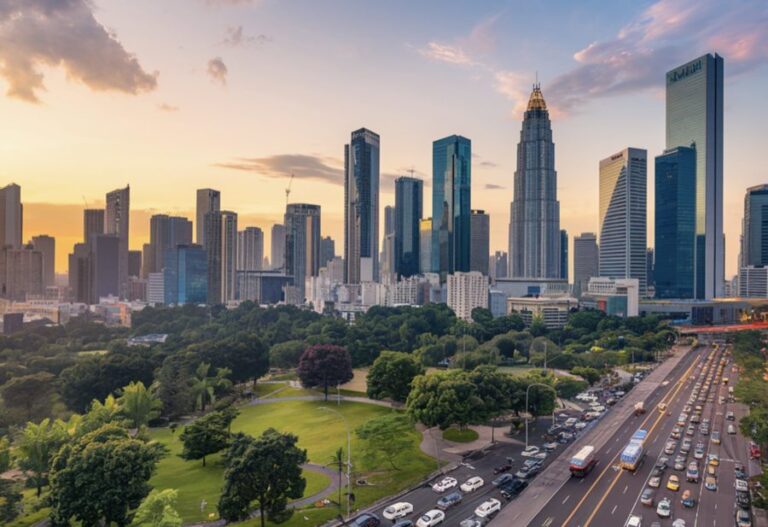
- Bangkok: The bustling capital city, is a hub for expatriates looking for an energetic lifestyle. Skyscrapers, shopping malls, and street food give you everything you need to live an exciting life. Employment opportunities abound, especially in the business and teaching sectors.
- Chiang Mai: This northern city is perfect for those who seek culture and calmness. With its cooler climate and lower cost of living, Chiang Mai attracts artists, writers, and digital nomads. Expats enjoy lush landscapes and a strong sense of community here.
- Pattaya: For beach lovers who also want nightlife, Pattaya strikes the right balance. It’s close to Bangkok but has its own unique vibe with vibrant entertainment options. Living expenses are reasonable, allowing expats to live comfortably in Thailand by the sea.
- Phuket: Known as Thailand’s largest island, Phuket offers stunning beaches and a laid-back island life. It has a significant expat community, which means you can find international schools and healthcare services easily.
- Koh Samui: This island paradise caters perfectly to retirees and families looking for a tranquil escape. Koh Samui boasts beautiful beaches, plenty of activities, and a friendly expat network that helps newcomers feel at home quickly.
Best places for retirees, families, and singles
Choosing the right location is essential for a fulfilling expat experience in Thailand. Here’s a guide to the best places tailored for retirees, families, and singles, factoring in access to healthcare, entertainment options, and community support.
| Group | Location | Reasons |
|---|---|---|
| Retirees | Chiang Mai | – Lower cost of living – Cool climate compared to other parts of Thailand – Established expat community – Access to high-quality healthcare facilities |
| Families | Bangkok | – International schools with high standards – Diverse cultural experiences – Robust public transport system – Numerous parks and family-oriented activities |
| Singles | Phuket | – Vibrant nightlife and social scene – Plenty of opportunities for networking and socializing – Beach lifestyle – Wide range of recreational activities |
Chiang Mai beckons retirees with its serene atmosphere and affordable living. Families often gravitate towards Bangkok for its educational offerings and cosmopolitan environment.
For singles looking to mingle and enjoy a dynamic setting, Phuket’s beaches and parties offer an exciting backdrop. Each locale provides unique benefits, ensuring that everyone can find their slice of paradise in Thailand.
Finding a place to live
Finding the right home in Thailand is key to enjoying your expat life. Here are steps to help you find the perfect place.
- Decide on a location that fits your lifestyle. Consider cities like Bangkok for a fast – paced life or Phuket for beach living.
- Research local housing markets online. Sites like Airbnb offer long-term rentals in various Thai locations.
- Work with real estate agents. They know the best deals and can navigate local regulations.
- Set a housing budget. Keep in mind the cost of rent, utilities, and commuting expenses.
- Visit properties in person before deciding. Pictures can be different from reality.
- Read rental agreements carefully. Understand your rights as a tenant and any rules you must follow.
- Plan for transportation options nearby. Think about access to public transport or parking for a car or motorbike.
- Look into the security features of the property. Check if there are guards, CCTV, or secure locks.
- Ask about maintenance support. Quick fixes for issues can make life easier.
- Talk to other expats about their experiences with housing. They can offer valuable tips and advice.
Moving to Thailand: The Process
Embarking on your journey to Thailand requires navigating the intricate web of legalities—ensuring you arrive with every i dotted and t crossed. It’s not just about packing bags; it’s a dance with documentation where knowing the right steps is crucial for a seamless transition to your new exotic home.
Visa requirements
Before you pack your bags for Thailand, make sure you understand the visa requirements. If you’re from the U.S. or Canada, good news—you don’t need a tourist visa to enter Thailand for short visits! Just bring a passport that’s valid for the length of your stay.
However, if you plan to work in Thailand or stay longer, you’ll need a non-immigrant visa.
There are many types of non-immigrant visas available. They depend on what you’ll be doing in Thailand—whether it’s business, education, retirement, or another reason. To get a Thai work visa, prepare to show an invitation letter from a Thai company and their corporate documents.
Always check the latest rules because visa requirements can change based on where you come from and why you’re going to Thailand.
Types of visas and how to obtain them
Moving to Thailand means understanding different visa options. Each type of visa has its own requirements and process for application.
- Thai Tourist Visa: U.S. and Canadian citizens can enter Thailand without a visa for tourism for stays up to 30 days. For a longer stay, you need a Thai Tourist Visa, valid for up to 60 days with a possibility to extend for another 30 days.
- Thai Business Visa: If you plan on conducting business or finding employment in Thailand, apply for this visa. You’ll need letters from your company and possibly an employment contract. This type allows a 90-day stay and can lead to a work permit.
- Thai Retirement Visa: People over 50 can retire to Thailand with this visa. You must meet financial requirements, like having enough money in Thailand, to get it.
- Thai Education Visa: To study in Thailand, you need this visa. It requires proof of enrollment in an educational institution.
- Thai Marriage Visa: If married to a Thai citizen, this option lets you live in the country long-term. You have to prove your marriage and meet financial criteria.
- Thai Family Visa: For those wanting family members to join them in Thailand, this is the right choice, provided you have the necessary familial ties.
- Smart Visa: Aimed at experts, executives, or entrepreneurs involved in technology or startup companies; offers multiple entries and an extended stay for one year without needing a work permit.
- Expert Visa: Designed for highly skilled professionals working on projects that benefit the country’s economy or development; used often by academics or researchers.

Registering as an alien
Make sure to fill out an arrival and departure card as part of the alien registration process if you plan on staying in Thailand for more than 90 days. Keep this card with your passport at all times.
This is a crucial step to legally extend your stay in the country beyond the typical tourist visa timeframe.
If your time in Thailand will exceed 90 days, you must go through a separate alien registration. It’s important because it helps track who’s living within the country’s borders. Go to a local immigration office to complete this step.
Have your documents ready: passport photos, address details, and any required forms from Thai authorities.
Working and Studying in Thailand
Securing employment or pursuing education in Thailand offers vibrant opportunities amidst the tranquility of tropical landscapes, but navigating the work visa process and educational system requires careful planning—discover how to make your professional or academic dreams a reality in the Land of Smiles.
Finding a job
Finding a job in Thailand is quite possible, especially if you can speak Thai. The country’s low unemployment rate gives many chances for expats to work.
- Learn the language: Speaking Thai will open more doors and help you fit in better.
- Research the job market: Look for industries where expats thrive, like teaching English or the tourism industry.
- Prepare your resume: Make it stand out by highlighting skills that match the Thai job market.
- Get your documents ready: You’ll need a resume, passport photos, and often a portfolio of past work.
- Look for openings online: Websites like JobsDB and LinkedIn list jobs in Thailand for foreigners.
- Network with expats: Join groups or events organized by InterNations to meet others who might know about job opportunities.
- Teach English: If you’re fluent in English, teaching can be an easy way to find work. You may not even need to speak Thai well for this role.
- Think about international companies: firms with offices in Thailand often look for employees who understand Western business practices.
- Understand the visa process: Know what kind of visa you need to apply for based on the job you want. A B-visa may be required if you’re looking at formal employment.
- Contact a Thai employer directly: Show initiative by reaching out with a good cover letter and your resume.
Obtaining a work visa
To work in Thailand, you need a work visa. This process starts with finding a job first. Once you have a job offer, your employer often helps with the visa paperwork. You must apply for a Thai Working or Business Visa.
Keep in mind, this type of visa needs to be obtained before you arrive in Thailand.
Make sure all your documents are ready. You’ll need things like your passport, job offer letter, and sometimes health records. Check the latest requirements on Thailand’s immigration website or ask your future employer for help.
Next up – Studying in Thailand!

Studying in Thailand
Once your work visa is in place, you might consider hitting the books in Thailand too. The country is home to a robust education system, ranked 46th globally. This makes it an excellent spot for international students.
You have various non-immigrant visas at your disposal if you’re aiming to study here. Schools and universities across Thailand offer courses that often cater to expats. Learning doesn’t stop outside the classroom either; immerse yourself in Thai culture and language as part of your educational journey.
Getting started is straightforward—pick a program and secure admission to kick off the visa process. Cities like Bangkok, Chiang Mai, and Phuket are hot spots for learners from all corners of the globe.
They mix quality education with vibrant city life or serene beach scenes. Whether it’s Thai language classes or an international degree program, studying in Thailand could be just what you need for personal growth—and a dash of adventure!
Living in Thailand
Navigating daily life in Thailand offers a vibrant tapestry of experiences — from bustling cityscapes to tranquil beaches, your new life is set against a backdrop of cultural richness and diversity.
Understanding the nuances of cost, healthcare, education, and even securing a local license can transform your Thai adventure into an enriching journey that feels like home.
Cost of living
Life in Thailand can be kind to your wallet. Many expats find their money goes further here than back home. Eating out, renting a place, and everyday services often cost less than what you’d expect to pay in the U.S. or Canada.
Think about it: a delicious Thai meal from a local vendor could set you back just a couple of dollars!
Cities like Bangkok provide big-city living without the hefty price tag of places like New York City or Vancouver. You’ll need more money to live comfortably in urban centers, though, compared to towns or rural areas.
But even then, apartments, groceries, and transportation may still surprise you with their affordability. This means more adventures exploring Thailand’s stunning beaches and vibrant culture with the savings from your day-to-day expenses!
Quality of life
Living in Thailand offers a blend of comfort and excitement. With a rank of 61st on the World Happiness Index, many find contentment in the country’s balance between work and leisure.
Economic inequality exists, but the low cost of living is a bonus for many who move here. Groceries, dining out, and entertainment often come with smaller price tags compared to Western countries.
The healthcare system in Thailand is strong and delivers quality services—you’ll find it ranked 13th worldwide by CEOWORLD magazine Health Care Index. This peace of mind adds to the overall satisfaction expats feel about their lives here.
Unemployment scares are rare; at just 1.53%, most people secure good jobs or enjoy retirement without financial stress looming over them. Ready for all seasons, let’s talk climate and weather next.

Climate and weather
The quality of life in Thailand is greatly influenced by its climate. The country enjoys a tropical feel, hosting a rainy season from May to October. This period comes with heavy showers and high humidity.
Once the rain stops, cooler air sets in from November to February.
Temperatures vary across Thailand’s regions. In the north, you’ll find it cooler than in the bustling south, which is warmer and more humid year-round. Prepare for different weather patterns depending on where you choose to live.
Always pack an umbrella or raincoat for the monsoon months, and light clothing for the sunny days that follow.
Healthcare system
Thailand’s healthcare system gives expats a choice between public and private facilities. Public hospitals, numbering over a thousand, can have lengthy wait times and might not offer cutting-edge treatments.
However, they provide essential medical services at a low cost. In bigger cities, private hospitals are known for top-notch care with modern amenities and English-speaking staff.
For North American expats, some good news: you might get healthcare coverage through the Social Security Scheme or Universal Health Coverage. Make sure to check if you’re eligible to avoid unexpected costs.
High-quality medical care in Thailand is more affordable compared to many Western countries, so many expats find it easier to manage their health needs here. Remember to arrange suitable insurance before making the move—it’ll give you peace of mind as you start your new life in Thailand.
Education system
Schools in Thailand have their own unique setup. The country ranks 46th on a global education list, but there’s room for improvement. Thai students sometimes score lower than other nations in key subjects.
This is often due to differences in students’ backgrounds. If you plan on moving with kids, note that upper secondary school isn’t guaranteed or free for everyone.
Many expats choose international schools for their children’s education. These schools teach in English and follow different curricula from public ones. Thailand also boasts over 100 higher education institutions, like Mahidol University and Chiang Mai University.
These are well-known and respected choices if you or your family want to study further.
Next up: learning how to navigate the roads with a Thai driver’s license!
Obtaining a driver’s license
Driving in Thailand requires a Thai driver’s license. Here’s how you can get one:
- Determine if your current license is valid in Thailand. If it is, you might only need an International Driving Permit for the short term.
- Visit a local Department of Land Transport office with your passport, current driver’s license, and visa.
- U.S. and Canadian citizens must show validation from their embassy or consulate.
- Take a vision and color blindness test at the DLT office to prove you can see well enough to drive.
- Pass a written test on Thai traffic rules and regulations, available in English if you don’t speak Thai.
- Complete a driving skill test to demonstrate your ability to drive safely on Thai roads.
- Once you pass all tests, take a photo for your new license at the DLT office.
- Pay the required fee for processing and issuing the driver’s license.
- Collect your new Thai driver’s license, which is valid for one year initially; after that, you can renew it for five years at a time.
Things to Do in Thailand
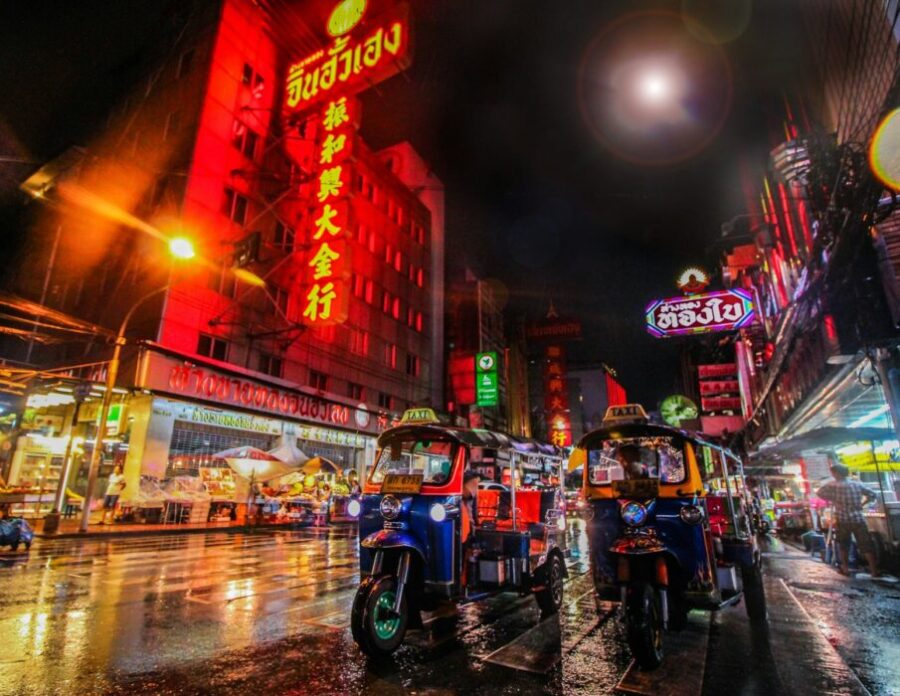
Thailand’s vibrant tapestry of cultures offers an endless adventure for expats—whether you’re marveling at historic temples in Chiang Mai, island-hopping around the crystalline waters of Phuket, or immersing yourself in Bangkok’s electrifying nightlife.
Embrace a lifestyle brimming with exotic experiences, from sampling street food that ignites your palate to celebrating colorful festivals that pulsate through the streets.
Exploring the country
Thailand invites expats to discover its rich landscapes and vibrant culture. From bustling city streets to serene beaches, there’s something for everyone.
- Visit Bangkok, the Thai capital, known for its lively street markets and majestic temples. Explore the Grand Palace and float down the Chao Phraya River on a boat tour.
- Head north to Chiang Mai where you can witness traditional Thai life and enjoy cooler climates. Trek through mountains or attend a cooking class on local cuisine.
- Relax on the island of Koh Samui, offering white sandy beaches and crystal – clear waters. Dive into snorkeling or just unwind under swaying palm trees.
- Experience Thai food in its birthplace. Eat Pad Thai from a street vendor or savor green curry at a beachside restaurant.
- Join local festivals across the country, such as Songkran or Loy Krathong, for an authentic taste of Thai culture.
- Take a trip to historical sites like Ayutthaya or Sukhothai and learn about Thailand’s ancient history.
- Discover Thailand’s wildlife by visiting one of the many national parks, like Khao Yai, where elephants roam free.
- Engage with other expats in Thailand by attending community events or joining clubs specific to your interests.
- Venture into less – traveled areas in rural provinces for unique experiences that city life doesn’t offer.
- Capture memories by photographing everything from Thailand’s street life to its stunning sunsets. Your camera should always be close at hand.
Networking with other expats
As you dive into Thai culture, connecting with fellow expats becomes an invaluable part of your journey. Expats often find a sense of community, and shared experiences make adjusting to a new country smoother.
- Attend InterNations Events: Join InterNations, the global community for expatriates. They organize regular events where you can meet other international people who live in Thailand.
- Engage in Local Expat Forums: Online platforms like the Thai Visa Forum are bustling with expats. You can ask questions, share tips, and make friends before even stepping foot in Thailand.
- Sign Up for Language Classes: While learning Thai, you’ll likely meet others who are also new to the country. These classes can be a place to form study groups and friendships.
- Participate in Social Gatherings: Look for social clubs or gatherings specific to your interests, such as book clubs, sports teams, or cuisine nights.
- Volunteer Locally: Volunteering can introduce you to people from all over the world while giving back to your new community.
- Explore Co-working Spaces: If you’re a digital nomad or entrepreneur, working from a co-working space is a great way to meet like-minded individuals and other business professionals.
- Connect Through Social Media: Facebook has numerous groups targeted toward expats in different areas of Thailand. These groups can be helpful for both social and practical advice.
- Visit Popular Expat Bars and Restaurants: Certain spots are known hangouts for expatriates. Spending time there can organically lead to conversations and connections.
- Use Apps for Meetups: Apps like Meetup.com have groups for various activities where you can join outings and events with locals and expats alike.
Popular tourist destinations
Networking with other expats can lead to fun outings and group trips. Thailand is full of amazing places to visit that you won’t want to miss.
- Bangkok’s Grand Palace dazzles visitors with its intricate architecture and the revered Emerald Buddha.
- Chiang Mai offers an escape into serenity at the Elephant Rescue Park, where playful giants roam free.
- Pattaya’s Sanctuary of Truth stands as a monumental wooden structure, showcasing traditional carvings and philosophies.
- Phuket invites beach lovers to its white sands and crystal – clear waters, perfect for diving and relaxation.
- Koh Samui boasts luxury resorts and palm-fringed beaches combined with a laid-back island vibe.
- Ayutthaya takes you back in time with its ancient ruins and UNESCO World Heritage Site status.
- The bustling Chatuchak Weekend Market in Bangkok provides a shopping experience like no other, with thousands of stalls.
- Koh Tao is a diver’s paradise, offering some of the best underwater adventures amidst vibrant coral reefs.
- Railay Beach in Krabi astounds rock climbers and photographers alike with its stunning limestone cliffs by the sea.
Conclusion
Thailand opens its doors to people from all over the world. Whether you’re working, retiring, or just enjoying the culture, it offers something for everyone. Imagine yourself strolling on beautiful beaches or exploring vibrant cities.
Are you ready to experience a lower cost of living and high-quality healthcare? Take your first step towards an exciting life in Thailand today. Embrace the adventure that awaits in this stunning country!
FAQs
1. What do I need to know before moving to Thailand?
Before you pack your bags, understand the pros and cons of moving to Thailand, from bustling city life in Bangkok to the calm of Northern Thailand. You’ll need a visa that’s valid for 90 days or more, depending on your stay, and it’s worth exploring places to live that suit your lifestyle.
2. How do I get a visa if I want to move to Thailand?
To come to Thailand, you’ll have to apply for a visa. There are different types like retirement, business, or education visas. Each has its own requirements – some might ask you for proof of income or an address in Thailand.
3. Can I live permanently in Thailand once I move there?
If long-term living is what you’re after, look into getting a residence permit after staying with a temporary visa—just be prepared for detailed paperwork and patience!
4. Is it easy for expats who speak little English well in Thailand?
Experience tells us – yes! Many people speak English well in big cities like Bangkok but learning some Thai phrases will help if you venture into parts of the world where little English is spoken.
5. Are there good places for expats who retire or run businesses in Thailand?
Absolutely! Whether retiring to serene beaches or setting up shop amidst the dynamic markets found in Bangkok, you’ll find both communities thriving with folks just like you seeking adventure and opportunity.
6. Will moving back home be hard if I don’t adapt well?
Not at all; while we hope your experience is amazing, there’s always an option to leave if things don’t pan out—keeping ties back home makes moving back smoother should the need arise.