Ultimate Guide To Moving To Brazil: Immigration, Visa Tips, And Cultural Insights


Last Updated on 25 December 2024
Moving to a new country is an adventure filled with possibilities and challenges; Brazil’s vibrant tapestry of culture and diversity beckons the intrepid spirit. With years of experience guiding expatriates through the intricacies of immigration and cultural acclimatization, I’ve witnessed firsthand how the allure of Brazil can transform lives.
The fusion of stunning landscapes, exuberant festivals, and friendly locals makes it a captivating destination for those seeking more than just a change in address.
Indeed, this South American gem offers an affordable cost of living—a tempting prospect for anyone looking to stretch their dollar further without sacrificing quality of life. This guide digs deep into what you need to know before calling Brazil home—whether it’s securing the right visa or understanding local customs.
Armed with insights from years of navigating Brazilian bureaucracy and culture, let’s begin this journey together. Ready? Vamos!
Key Takeaways
- Get a temporary visa first, then apply for permanent residency in Brazil with necessary documents like a National Migration Registry Card (CRNM).
- Learn Portuguese and understand the local customs to connect with Brazilian culture and people.
- Save enough money to cover moving costs, including flights, shipping, housing, and unexpected expenses.
- Brazil offers a digital nomad visa for those who want to work remotely while living there; prove overseas employment and steady income.
- The cost of living is lower in Brazil compared to the US; single person monthly costs without rent are around $649 in São Paulo.
Why Moving to Brazil?

From the rhythmic beats of samba to the majestic expanse of the Amazon, Brazil beckons with a blend of vibrant culture and breathtaking nature that promises an exhilarating new chapter in life.
This South American gem draws people in with its warm spirit and colorful traditions, offering a unique fusion of experiences for those daring enough to embrace its energetic lifestyle.
Laid-back lifestyle
Brazil’s lifestyle pulls you into a world of ease and contentment. You’ll find time moves slower here, giving you space to breathe and enjoy life. Beaches beckon for lazy afternoons, while city parks turn into spots for family picnics and friendly soccer matches.
The Brazilian rhythm flows through the streets, urging even the busiest people to pause and savor moments with friends over a cup of strong coffee or chilled coconut water.
Imagine your days filled with music, laughter, and spontaneous dancing – that’s Brazil for you. Work may fill the week, but come evening or weekend, relaxation rules. People in Brazil love gathering for barbecues called ‘churrascos’ where stories are shared as skewers sizzle on the grill.
This easygoing vibe is infectious; before long, you too might adopt this joyous approach to everyday living.
Emphasis on hope and happiness
Brazil’s warm embrace offers a beacon of hope to those who choose it as their new home. Its storied history of welcoming millions of immigrants has woven a tapestry rich with joy and expectation.
With roots in diverse cultures, the country blossoms with vibrant traditions that fill the air with energy and optimism.
Living here means more than just finding a place to live—it’s about embracing life fully. The happiness Brazilians are known for isn’t just an idea; it’s felt in every handshake, seen in their smiles, and echoed through lively music and dance.
Ranked 38th globally for quality of life, Brazil stands out for its strong social ties and longevity—proof that hope finds fertile ground on this sun-kissed soil.
Stunning natural landscapes and the Amazon
Brazil boasts some of the world’s most beautiful natural sights. You’ll find the Amazon rainforest here, a massive green expanse teeming with unique plants and wildlife. This forest stretches across much of Brazil and is vital for our planet’s health.
Living in Brazil gives you access to these incredible views every day. You can hike through lush trails, discover hidden waterfalls, or visit places like Iguazu Falls. It’s one of Earth’s largest waterfalls and truly a sight to behold.
The beaches along the coast invite you for sunbathing and surfing too. Every day feels like an adventure in this vibrant country!
Passion for music, dancing, and football
Music thrives in every corner of Brazil, pulsing with the heartbeat of samba and bossa nova. People often gather to dance, even in the streets, letting rhythms move their bodies with joy.
From small towns to big cities like São Paulo and Rio de Janeiro, vibrant beats tell stories of life here. Football matches are not just games; they’re epic battles where skill meets fierce pride on the field.
Fans wear their team colors and cheer wildly in stadiums or crowded cafes.
Food brings everyone together after a music-filled fiesta or an intense football match. Delicious dishes stir up excitement for what’s next—savoring flavors from all over this vast country.
Delicious food and drink
Brazil’s food is a feast of colors and flavors. Fresh tropical fruits, crisp vegetables, and fresh seafood fill the markets. Try feijoada, a rich stew that warms your soul, or bite into pão de queijo, cheesy bread that melts in your mouth.
Coxinha treats you to a crunchy exterior with tender chicken inside.
Barbecue lovers will revel in churrasco—skewers of juicy meat cooked to perfection. Sip on a caipirinha, Brazil’s national cocktail, bursting with lime and sugar cane spirit. Coffee enthusiasts can explore endless varieties of local brews.
Sweet tooth? Indulge in brigadeiro or quindim—desserts that dazzle your taste buds with their sweetness and textures.
Important Things to Know Before Moving to Brazil

Embarking on a new chapter in Brazil means embracing its vibrant culture and diverse lifestyle, but it’s crucial to delve into the fabric of this South American jewel first.
From immersing yourself in the communal coffee rituals to navigating its vast healthcare landscape, understanding these facets will pave the way for a seamless transition into Brazilian life.
Lower cost of living compared to US
Living in Brazil can be much gentler on your wallet than life in the US. For example, Rio de Janeiro offers a lifestyle that’s 59% less costly than New York City. Even São Paulo, known for its bustling urban atmosphere, costs about 70% less than the Big Apple.
Imagine not worrying about high living expenses as you explore vibrant cities and scenic views.
A single person’s monthly cost, without rent, runs around $649 in São Paulo and even lower at $595 in Rio. Families find relief too; it costs approximately $2,341 to support a family of four in São Paulo per month minus rent—quite affordable compared to many US cities.
This makes a move to Brazil an attractive option for people seeking quality life experiences without draining their bank accounts. Now think of immersing yourself in Brazilian culture with extra money to enjoy music festivals or weekend getaways to the beach! Next up: embracing Brazil’s rich expression and cultural scene.

Emphasis on expression and culture
While the lower cost of living draws many to Brazil, it’s the country’s focus on expression and culture that truly captivates hearts. Brazilians express themselves through music, dance, and art in their daily lives.
They celebrate their diverse heritage with festivals like Carnival that bring people together in a colorful display of tradition and creativity.
In this society where different cultures blend beautifully, you’ll notice how each region has its own unique vibe. From samba rhythms in Rio de Janeiro to forró dances in the northeast, expression is at the core of what it means to live in Brazil.
Language too plays a key part—speaking Portuguese helps you connect deeply with locals, who appreciate when foreigners embrace their rich linguistic landscape.
Universal healthcare system
Brazil’s public healthcare system, known as SUS, offers residents and citizens free medical services. Expats who move to Brazil and become legal residents have access to this healthcare too.
However, the system often lacks funds, which can lead to long waits and reduced availability of services. As a result, many expats choose private healthcare for faster and more comprehensive coverage.
Private hospitals provide high-quality care with modern facilities. For peace of mind, expats usually take out health insurance or pay for private care themselves. Moving on from health considerations is important when planning your big move—packing personal belongings comes next!
Size and diversity of the country
Brazil is the largest country in Latin America and ranks fifth worldwide. Its vast territory covers half of South America, creating a land rich with diverse ecosystems and cultures.
You’ll find regions with equatorial, tropical, and subtropical climates here. These areas have different rainfalls and temperatures all year round. Every city in Brazil tells its own story through color, taste, and sound because of this cultural melting pot.
The diversity reaches beyond the weather as it brings together customs from around the globe into one vibrant society. People looking to move will encounter traditions from Portuguese colonial times mixed with African, Indigenous, and many other influences.
It makes Brazil a unique place that thrives on joyous expression through music, food, dance—and yes—the world-famous carnival! Next up we discuss must-see attractions like the Amazon Rainforest, which is an experience not to be missed.
Must-see attractions like the Amazon
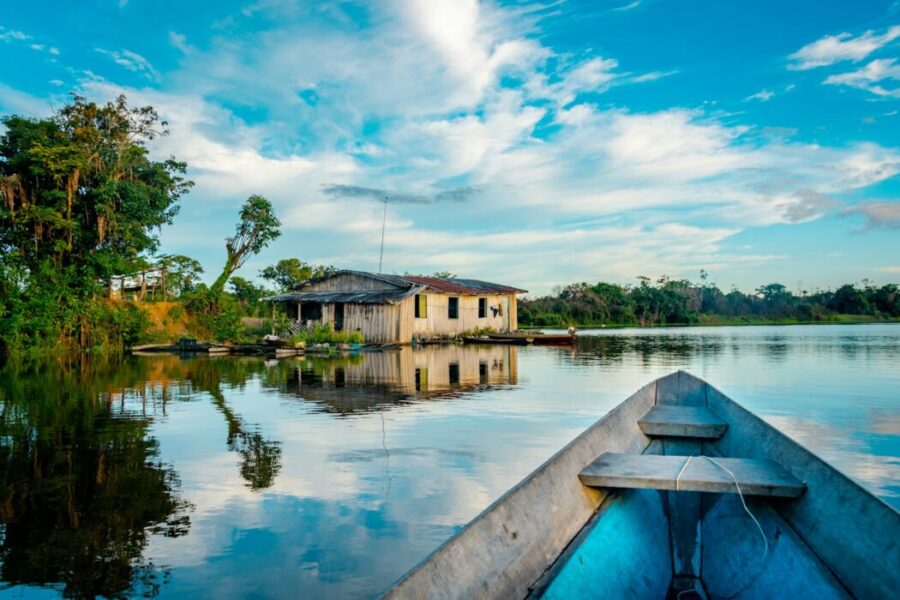
The Amazon Rainforest is a treasure you can’t miss. It’s the largest rainforest on Earth and home to incredible wildlife. Explore by boat, walk through the jungle with a guide, or fly overhead for stunning views.
You’ll see colorful birds, monkeys swinging from trees, and maybe even spot a jaguar! The natural beauty will leave you in awe.
Iguazu Falls is another wonder of Brazil that should be on your list. These massive waterfalls are taller than Niagara Falls and truly breathtaking. You can hear the roar of water miles away! Walk the trails around them or take a thrilling boat ride right up to the thundering water.
This experience combines adventure with unforgettable sights.
Year-round pleasant climate
From the stunning vistas of the Amazon, you’ll find Brazil’s weather just as breathtaking. Enjoy sunny days and warm breezes that are perfect for exploring or relaxing on the beach.
With a climate that thrives on outdoor fun, activities like hiking and surfing beckon adventurers all year long.
Hot and humid conditions make coastal regions ideal for water lovers, while cooler, highland areas provide a refreshing escape from the heat. Southern Brazil offers a temperate haven with distinct seasons, ensuring there’s always something new to experience in this vibrant country’s great outdoors.
Strong coffee culture and love for football
Brazilians start their days with a strong cup of coffee. This rich, dark brew is more than just a morning pick-me-up — it’s a cherished ritual in homes and cafes across the country.
Offices pause for cafezinhos, small cups of coffee shared among colleagues, binding social and professional life together.
Football ignites passion in Brazil like nothing else. Streets come alive with cheers during every match, especially during the World Cup. Kids dream of becoming the next football hero while playing on sandy beaches or city parks.
Love for the game runs deep, uniting people from all walks of life around this national obsession.
Vibrant party scene
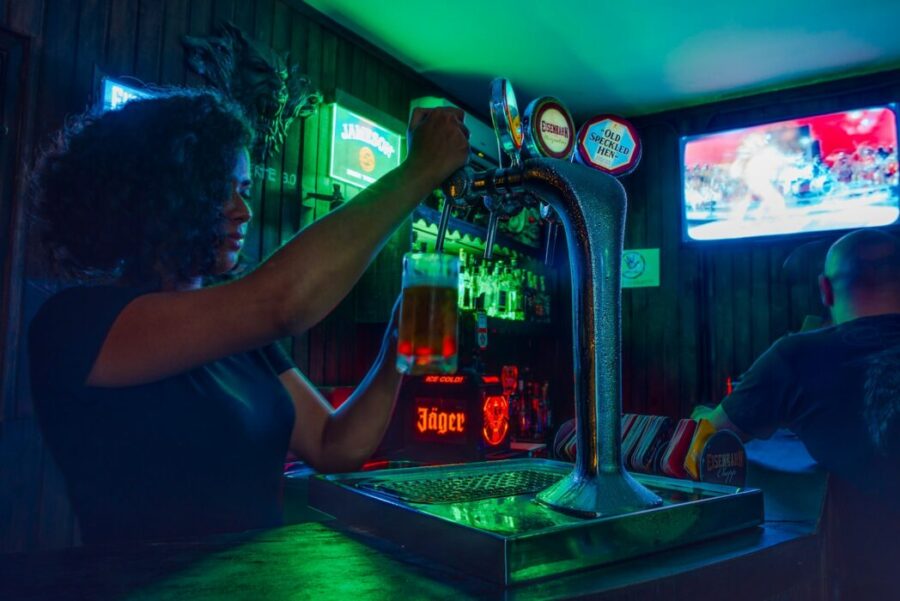
Brazil buzzes with energy at night, especially in Rio de Janeiro. The city comes alive with music, dance, and parties. The sounds of samba fill the streets as locals and visitors celebrate together.
Every bar and club has its own unique vibe, offering endless choices for fun after dark.
São Paulo also serves up a rich nightlife that caters to diverse tastes. Whether it’s electronic beats or live bands, there’s something for everyone. Dancing until dawn is common here – the party scene truly captures Brazil’s spirit of joy and freedom.
Next up are the practicalities: Getting your life sorted in this vibrant country starts with packing your bags right.
Preparing for Moving to Brazil
Embarking on your Brazilian journey requires careful preparation—from the essentials of visa applications to the nuances of cultural integration. As you plan your transition, delving into the education system, healthcare intricacies, and local traditions will lay a solid foundation for a smooth and enriching experience in this vibrant nation.
Packing personal belongings
Choose what to bring carefully when packing for Brazil. Consider the climate, your lifestyle, and local availability of goods. Sell or donate items you won’t need to cut down on shipping costs.
Remember, moving your stuff relies on distance and how much you have.
Make a list of essentials like important documents, electronics, and personal items that make you feel at home. Pack these in your carry-on luggage for safety and easy access upon arrival.
For larger items or furniture, consider using reputable moving companies experienced with international relocations to Brazil. Ensure they provide clear cost estimates and timelines so you can plan effectively without surprises.
Applying for necessary visas
Check what kind of visa you’ll need to enter Brazil and live there. If you plan to work, look into getting a work visa. You can apply for different types of visas online or at Brazilian consulates.
Make sure your passport is valid, too.
Pay the application fee when you submit your visa request; it’s about $33 for Americans and Canadians. Keep an eye on processing times so that everything is ready before your move.
Remember, if you’re staying longer than 180 days, visit the Federal Police in Brazil for an extension.
Understanding the education and healthcare systems
Once you’ve sorted out your visa, it’s time to explore Brazil’s education and healthcare services. If you have children, knowing about schools is crucial. Public schools in Brazil offer free education but may not meet every expat’s standards.
Many international families opt for private or international schools to ensure quality learning for their kids.
Healthcare in Brazil is accessible through the public SUS system which all residents can use. Less than a quarter of Brazilians carry health insurance due to this universal coverage.
As an expat, you might choose private health insurance to access a wider range of services and shorter wait times. It helps to research and understand these systems well before your move!
Researching the cost of living
Find out how much money you need to live in Brazil. Compare prices for food, rent, and transportation to your current costs. São Paulo is 70% cheaper than New York City for many things.
Renting a one-bedroom in the city center costs around $500 monthly.
Think about extra expenses like healthcare, clothing, and going out. Use online cost of living calculators for Brazil’s major cities to budget better. These tools show average prices for different areas of life in Brazil.
This will help you plan your move without surprises in expenses.
Knowing the political and social climate
Brazil’s political landscape is vibrant and constantly evolving. Expats should stay informed about local elections, policies, and any upcoming changes that may affect their lives. Understanding these dynamics helps in navigating day-to-day experiences and engaging with community discussions.
Brazil celebrates democracy with a mix of regional influences that shape its governance.
Socially, Brazilians value family, friendships, and social connections deeply. They often gather for meals or community events which reflect the country’s warmth and inclusivity.
Embrace this aspect of Brazilian culture to connect meaningfully with neighbors and colleagues. Recognizing cultural nuances enhances expat life considerably.
Familiarizing with local customs and language
Learn Portuguese to get around Brazil easily and connect with locals. Knowing the language will help you at work, in stores, and when you make new friends. You’ll feel more at home if you can chat in the local tongue.
Take a class or use an app to learn before you move.
Brazil’s culture is rich with music like samba and big events such as Carnaval. Try local dishes and learn about traditions to enjoy your new life fully. Join in the fun of football games too! Being open to new experiences will make living in Brazil amazing for expats.
Obtaining Residency or Citizenship in Brazil
Navigating the transition from visitor to resident in Brazil involves a set of carefully defined steps—understanding the criteria for permanent residency is just the beginning. For those looking to plant deeper roots, exploring the path to Brazilian citizenship unveils a rich tapestry of legal procedures and cultural integration.
Requirements for permanent residency
To get permanent residency in Brazil, you must first have a temporary visa. After that, apply for a National Migration Registry Card (CRNM). This card is vital to stay in the country long-term.
Make sure to get your CPF number too; it’s like a social security number in Brazil.
Expats often need this CPF to apply for their permanent visa. Having an employer in Brazil can help with the application process. Remember, rules change and each case is different.
Always check the latest requirements before applying.
Becoming a Brazilian citizen
Becoming a Brazilian citizen is an exciting step. You’ll need to have lived in Brazil for four years with a permanent visa. If you’re married to a Brazilian or have a Brazilian child, it may take less time.
Make sure you can speak Portuguese because it’s the official language of Brazil. You must also show you are working and contributing to the country.
After becoming a citizen, you’ll enjoy many rights just like any other Brazilian. You can vote and get full access to healthcare and education services. The next move will be exploring digital nomad visas if that suits your work lifestyle!
Digital nomad visas
Brazil now offers a special visa for digital nomads. This lets people work remotely for non-Brazilian companies while they live in Brazil. To get one, you need to show a contract with an overseas employer and proof of steady income.
You also have to provide a personal statement that’s been notarized.
This visa is great for those who want to enjoy Brazil’s vibrant culture while working abroad. It opens up the chance to explore the country without giving up your job back home. With this type of visa, you can experience life as a local and still earn an international salary.
Obtaining a CRNM
To get a CRNM, you must first have a temporary visa. This card is key to living in Brazil for the long term. You will apply for it once you’re in the country. It’s like your identity card and it lets you do things like work and access healthcare.
Make sure all your documents are correct before applying.
Getting your CRNM involves meeting with Brazilian authorities. You will need to show proof of employment or investment in Brazil. Once approved, this card proves that you belong in Brazil as an expat or resident.
Keep this card safe; it’s very important for your new life here!
Financial Considerations for Moving to Brazil
Embarking on the journey to Brazil demands a clear understanding of financial prerequisites—from managing relocation expenses to navigating monthly living costs. Getting a grip on banking practices, taxation norms, and income requirements in this vibrant South American economy is crucial for a smooth transition, ensuring you’re financially equipped to embrace your new life under the Brazilian sun.
Necessary funds for relocation
Moving to Brazil needs money for various things. You’ll cover flights, shipping belongings, and housing costs upfront. It’s smart to save for unexpected expenses too. A single person might spend $649 per month in Rio without rent, while a family could need $2,341 in São Paulo.
Plan your budget wisely.
Before you book your ticket, list all the possible costs. Think about visa fees, medical exams, and setting up a new home. Also include day-to-day living like food and transport once you arrive.
This helps avoid running short on funds during this big change. Remember that banking and taxation will be part of life in Brazil as well!
Monthly income requirements
If you’re retiring to Brazil, there’s a key figure to keep in mind. You must show that you can bring in money each month for yourself and any dependents. This shows the government you won’t need public funds.
For many, this requirement ensures a stable move.
Living costs vary across Brazil, with cities like São Paulo and Rio de Janeiro leaning towards the higher end. Even so, they often come out less than what you might spend in the U.S. or Canada.
Knowing these expenses helps plan your monthly budget and ensures a smoother transition into Brazilian life.
Banking and taxation in Brazil
Brazil uses a progressive personal income tax system, so you’ll pay between 7.5% and 27.5%, depending on your earnings. It’s important to get a good understanding of these rates before you move.
This will help you plan your finances better. You should also know about PIX, Brazil’s electronic payment system. It lets people transfer money quickly across the country.
You’ll need to set up a local bank account when living in Brazil. Look for banks that offer services for expats to make the process easier. Keep track of any taxes you must pay throughout the year too.
Some Brazilian banks have English-speaking staff and online banking options which can make managing your money simpler from afar.
Life in Brazil as an American Expat
Life in Brazil as an American Expat unfolds with a vibrancy often unmatched, where the blend of cultural nuances and daily adventures defines expat existence. Here, one navigates through the exhilarating samba rhythms and soccer cheers, while adapting to distinctive social customs amidst lush landscapes and spirited locals.
How to move to Brazil as an US Citizen
US citizens can stay in Brazil without a visa for up to 90 days. You may then ask the Federal Police for more time, extending your visit to 180 days. Deciding to live in Brazil longer needs more steps.
Start by applying for a temporary visa that fits your situation, like if you work remotely or have family in Brazil.
To set down roots and become a Brazilian citizen, get a National Migration Registration Card (CRNM). This card is vital and only comes after you have your temporary visa. Check the different visas available—maybe you’re retiring with steady income or marrying a local.
Choose one that matches why you’re moving to Brazil and follow through with the needed paperwork.
Safety considerations
Brazil’s big cities have high crime rates, making safety a top concern for expats. Always stay alert and be aware of your surroundings. It’s best to avoid walking alone at night or in poorly lit areas.
Use safe transportation options like registered taxis or ride-sharing apps. Keep your belongings close, especially in crowded places.
The gap between rich and poor can affect where you feel secure living and traveling in Brazil. Choose a safe place to live based on advice from locals and other expats. Be sure to research neighborhoods thoroughly before settling down.
Moving on, the quality of life you’ll find in Brazil comes with many perks..
Quality of life and cost of living
Living in Brazil can mean enjoying a good quality of life for less money than in the U.S. or Canada. For example, Rio de Janeiro is about 59% cheaper than New York City; São Paulo is even more affordable.
Families can live on an estimated $2,341 per month in São Paulo and $2,110 in Rio without rent. If you’re single, your cost could be as low as $649 to $595 respectively.
The country offers strong social support services and ranks well for happiness and life expectancy. Still, it’s worth noting that the quality of life varies greatly due to income inequality.
This means some people will have better access to services and amenities than others, depending on where they choose to live in Brazil. Despite these challenges, many expats find the vibrant culture and lower living costs appealing enough to call Brazil home.
Education and healthcare options
In Brazil, public schools are free for all. Many expats choose private or international schools for a higher standard of education. These schools often have smaller classes and more resources.
They also teach in English or other languages, which helps kids from abroad.
Healthcare is available to all Brazilian citizens and residents at no cost. This comes through the SUS system. But many expats and locals prefer private healthcare options. Private hospitals can offer quicker service and better facilities.
Expats should check these systems before they move to know their choices well. They might need health insurance too, even though it’s not common among Brazilians.
Differences in culture and customs
Moving to Brazil means diving into a world where music, dance, and festivals fill the streets. You’ll discover the rhythm of samba and feel the energy of carnaval celebrations. Embrace Brazilian jeitinho, which shows how locals creatively solve problems with a smile.
This adaptability is key to enjoying life in your new home.
You’ll taste foods that blend African, Portuguese, and indigenous flavors. Learn local etiquette as you share meals or do business—it’s all part of feeling at home here. Next up: find out about support from the US Embassy for expats like you!
Support for expats from US embassy
Adjusting to a new culture and customs can be challenging. Luckily, the US Embassy is there to help American expats in Brazil. They offer guidance on immigration and visa tips for those relocating.
Expats can get information about living costs, citizenship procedures, and transferring money internationally.
Need to apply for a CPF number or understand the education system? The embassy has resources for that too. They provide cultural insights so expats can embrace Brazilian traditions with confidence.
For statistics about Brazil’s population and economy, just ask them! They’ll connect you with communities and forums for support during your move.
Conclusion
Moving to Brazil offers a vibrant culture and affordable living. The process involves paperwork like visas and a CRNM, but it’s straightforward. With beautiful landscapes and friendly locals, the change can be rewarding.
Get ready for a life filled with music, dance, and football excitement. Take the leap – Brazil’s diverse charms await you!
FAQs
1. What do I need to know before moving to Brazil?
Before you pack your bags for Brazil, you’ll need to understand the visa requirements—like when and how to apply for one. You also should learn about the cost of living, find out where expats usually live, and get a feel for what life will be like in this vibrant South American country.
2. Do I need a visa to live and work in Brazil?
Yes, if you’re planning on relocating to Brazil permanently or working there, you’ll probably need a specific type of visa from the Brazilian Ministry of Labor. Check which one applies to your situation so you can enter the country with no hiccups.
3. Can I just visit Brazil without a visa?
That depends on where you’re coming from! Many people don’t need a visa just to visit as tourists, but it’s best to check current regulations before booking your trip—the rules can change.
4. Are some places better than others for expats moving to Brazil?
Absolutely! While everyone has their own favorites, cities like Rio de Janeiro are known for their bustling expat communities—with good reason. These areas offer an exciting lifestyle plus all the amenities an expat would appreciate.
5. Is it expensive To move my belongings To brazil?
Moving isn’t cheap—you’ll have costs tied up not just in transporting your things but also in adjusting once you arrive in Brazil (think securing housing and settling in). And remember—Rio might have higher living expenses than other parts!
6. How do I find work after moving To brazil?
Landing employment might take some effort; brush up on Portuguese if possible because it makes a huge difference! Reach out within local or online expat networks—they often share job opportunities and provide valuable insights into navigating everything from apartment hunts to understanding cultural nuances.