Location Independence: Building Your Business on the Right Foundation


Last Updated on 25 December 2024
The world is your oyster—or, more accurately, your office. A rising tide of digital nomads, remote workers, and freelancers is embracing location-independent entrepreneurship, unshackling themselves from traditional 9-to-5s and geographic constraints.
But before you pack your bags and set sail for Bali, you must make a crucial decision that will shape your journey: choosing the right business structure.
Why Your Business Structure Matters
Your business structure isn’t just a legal formality; it’s the foundation upon which your entrepreneurial dreams will rise or fall.
It impacts everything from your liability and taxes to your ability to raise capital and expand globally. Making an informed choice now can save you headaches, heartaches, and potentially even your hard-earned money down the line.
The stakes are even higher for the location-independent entrepreneur. You’ll need a structure that can adapt to the unique challenges and opportunities of operating across borders, time zones, and legal jurisdictions.
So, let’s roll up our sleeves and explore the most common business structures, weighing their pros and cons specifically for those seeking freedom and flexibility.
Sole Proprietorship: The Lone Wolf’s Path
The sole proprietorship is the simplest and most common business structure. It’s essentially you and your business as one entity.
- Pros: Easy to set up, complete control, pass-through taxation (business income is reported on your tax return).
- Cons: No liability protection (your personal assets are at risk), difficulty raising capital, self-employment taxes.
Ideal For: Freelancers, consultants, and solopreneurs just starting who value simplicity and control over formality.
Partnership: Two (or More) Heads Are Better Than One
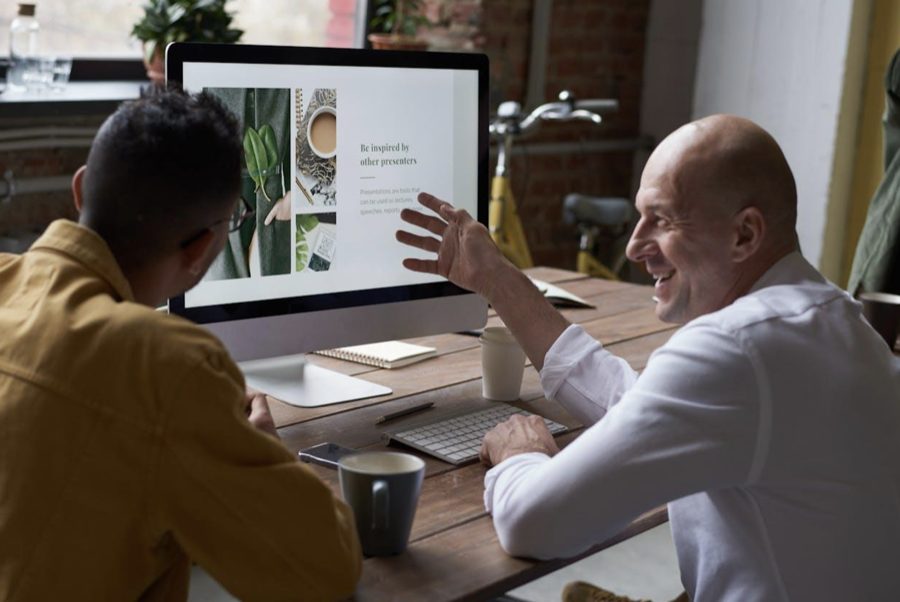
A partnership involves two or more people sharing ownership and responsibility for a business.
- Pros: Easy to establish, shared financial commitment, complementary skills and resources.
- Cons: Shared liability, the potential for disputes, taxes, and profit-sharing complexity.
Ideal For: Friends, family members, or colleagues with a shared vision and complementary skills who want to pool resources and collaborate.
Note for Shared Secured Loans: If you and your partner choose to finance your business using a shared secured loan, it is important to ask yourself: Whats a shared secured loan?
These loans utilize a shared asset, like a savings account, as collateral. While this can be a valuable tool for accessing capital, it’s crucial for partners to clearly understand the terms and potential risks involved. This ensures everyone is on the same page and can make informed decisions together.
Limited Liability Company (LLC): The Best of Both Worlds?
An LLC offers the liability protection of a corporation with the tax flexibility of a partnership.
- Pros: Liability protection, flexible taxation options (can be taxed as a sole proprietorship, partnership, or corporation), less recordkeeping than a corporation.
- Cons: More expensive to set up than a sole proprietorship or partnership, self-employment taxes.
Ideal For: Small businesses, startups, and those seeking a balance of liability protection and tax benefits.
Corporation: Going Big or Going Home

A corporation is a separate legal entity from its owners, offering the strongest liability protection.
- Types: C-Corp (double taxation), S-Corp (pass-through taxation).
- Pros: Strong liability protection, ability to raise capital through stock issuance, perpetual existence.
- Cons: Double taxation (for C-corps), extensive recordkeeping, and less flexibility than an LLC.
Ideal For: Large businesses, established companies, and those seeking significant investment capital.
Factors for Location Independent Entrepreneurs
Choosing the right business structure is a personal decision, but for the location-independent entrepreneur, there are some additional factors to consider:
- Ease and cost of setup as a remote business owner: Some structures may be easier and cheaper to establish and maintain while traveling.
- Liability protection needs: How much risk are you willing to take with your assets?
- Tax implications and reporting requirements across jurisdictions: Your business structure can impact your tax liability and reporting obligations in different countries.
- Ability to raise capital or take on partners virtually: Some structures are more conducive to attracting investment or partners remotely.
- Flexibility to evolve structure as business grows: Your needs may change as your business expands. Choose a structure that can adapt.
Get Expert Guidance
Navigating the legal and tax complexities of international business can be daunting. Don’t go through it alone. Seek guidance from legal and tax professionals who specialize in working with location-independent entrepreneurs.
They can help you:
- Ensure compliance with regulations across multiple jurisdictions: Different countries have different rules and regulations regarding business structures. A qualified professional can help you navigate these complexities.
- Optimize your tax strategy: They can help you minimize tax liability and ensure you report your income correctly in all relevant jurisdictions.
- Protect your assets: A lawyer can help you set up the right legal structure to shield your assets from business liabilities.
- Future-proof your business: They can advise you on how to structure your business to accommodate future growth and expansion.
Remember, an ounce of prevention is worth a pound of cure. Investing in professional guidance upfront can save you a world of trouble down the road.
Conclusion: Your Passport to Freedom
Choosing the right business structure is a pivotal step to location independence. It’s about more than just legal compliance; it’s about aligning your business with your lifestyle goals.
Whether you’re a lone wolf freelancer or an aspiring global empire builder, there’s a structure out there that’s perfect for you.
By carefully evaluating your options and seeking expert guidance, you can build a solid foundation for a business that travels as far and wide as you do.