Italian Self-Employment Visa: Your Ticket to Remote Work in Beautiful Italy

The Colosseum, Rome

Last Updated on 2 January 2025

The Italian Self-Employment Visa presents a unique opportunity for individuals seeking remote work in Italy.

This visa program allows non-EU or non-EEA nationals to legally establish residency and work as self-employed individuals.

Therefore, it is the perfect visa for digital nomads.

With benefits such as renewable permits, potential permanent residence, and access to superior healthcare, this visa offers stability and flexibility for digital nomads and remote workers.

In this article, we will provide a comprehensive guide to the application process and answer frequently asked questions about the Italian Self-Employment Visa.

Key Takeaways

  • The Italian Self-Employment Visa allows non-EU nationals to establish residency and work remotely in Italy.
  • The requirements for the self-employment visa include a clean criminal record, suitable accommodation in Italy, a minimum annual income of €8,500, and comprehensive health insurance.
  • The Self-Employment Visa grants a renewable permit with an initial one-year validity, and immediate family members can be included in the application.
  • Benefits of the Self-Employment Visa include avoiding double taxation, access to better healthcare, visa-free travel within the European Union, and the opportunity to work remotely in one of Europe’s most beautiful countries.
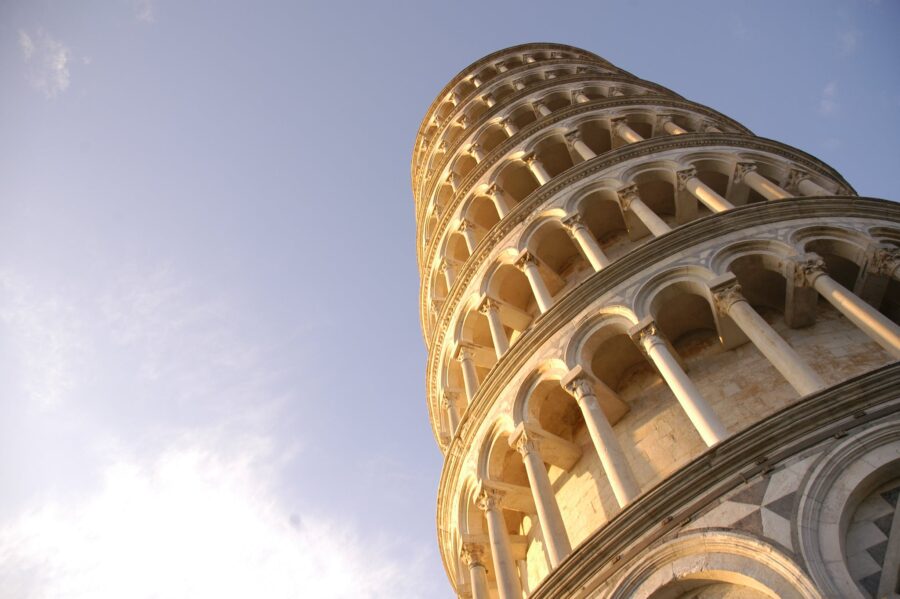
Tower of Pisa

Eligibility Requirements for the Italian Self-Employment Visa

To be eligible for the Italian Self-Employment Visa, non-EU or non-EEA nationals must meet a set of requirements.

These include having a clean criminal record and a minimum annual gross income of €8,500.

Proof of income is a crucial aspect of the application process, and applicants must provide evidence of earning this amount in the year prior to the visa application or through contractual compensation.

In addition to proof of income, there are several required documents that must be submitted.

These documents include suitable accommodation in an Italian state, comprehensive health insurance covering hospitalization or medical expenses for the first 30 days of entry, a certificate of ‘no impediment’ to provide freelance services and highly qualified work activities in Italy, and proof of sufficient economic funds to maintain stay and perform services.

Meeting these requirements and submitting the necessary documents are essential steps in obtaining the Italian Self-Employment Visa.

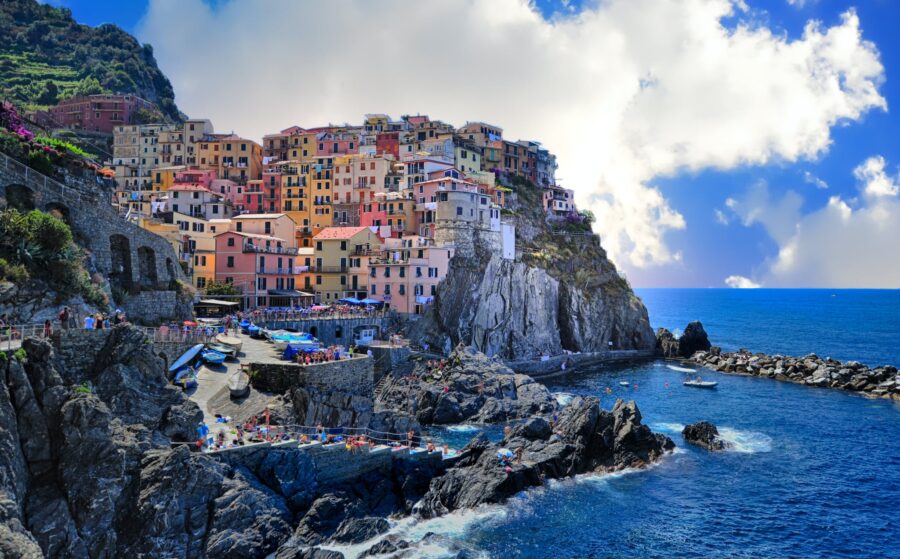
Assorted-color Houses Beside Body of Water

Benefits of the Italian Self-Employment Visa for Digital Nomads

With the Italian Self-Employment Visa, digital nomads can enjoy numerous benefits while working remotely in Italy.

The advantages of the Italian Self-Employment Visa for digital nomads include avoiding double taxation, access to better healthcare, and visa-free travel within the European Union.

Additionally, close family members can be included in the application, allowing for family reunification.

Working remotely becomes more convenient in one of the most beautiful European countries, and no tax residency is established in Italy, resulting in tax advantages.

To qualify for the Italian Self-Employment Visa, non-EU or non-EEA nationals must have a clean criminal record, suitable accommodation in Italy, an annual gross income of at least €8,500, comprehensive health insurance, and proof of sufficient economic funds.

The application process involves filling out the application form, scheduling an appointment with an Italian Consulate or Embassy, preparing the necessary documents, attending an interview, and paying the visa fee.

Application Process for the Italian Self-Employment Visa

The application process for the Italian Self-Employment Visa involves several steps.

First, applicants must complete the application form for the Self-Employment Visa, ensuring that all required information is provided accurately.

Next, they need to contact the Italian Consulate or Embassy in their home country to schedule an appointment for submitting the application.

It is essential to gather all the necessary documents, which may include proof of income, criminal record clearance, health insurance coverage, and proof of suitable accommodation in Italy.

Applicants will then attend an interview where they may be asked to provide additional information or clarify any details in their application.

Finally, they will need to pay the visa fee, which may vary depending on the applicant’s nationality.

The timeline for the self-employed visa application typically takes around two months, but it may vary depending on the individual circumstances and the workload of the consulate or embassy.

Brown Wooden Dock Near Brown Wooden Kayak in Water

Why Italy Is an Ideal Destination for Remote Work

Italy offers numerous advantages as an ideal destination for remote work.

Here are four reasons why Italy is an appealing choice for digital nomads:

  1. Cost of Living: Italy has a relatively affordable cost of living compared to other European countries. Accommodation, transportation, and daily expenses are reasonably priced, allowing remote workers to maintain a comfortable lifestyle without breaking the bank.
  2. Beautiful Environment: Italy is renowned for its breathtaking landscapes, charming towns, and rich cultural heritage. Imagine working with a view of the picturesque Italian countryside or enjoying your lunch break in a historic piazza. The country’s natural beauty and cultural experiences make for an inspiring and enjoyable work environment.
  3. Digital Nomad Communities: Italy has a growing community of digital nomads. From co-working spaces and networking events to online communities and meetups, there are plenty of opportunities to connect with like-minded individuals, collaborate, and share experiences. These communities provide support and a sense of belonging for remote workers in Italy.
  4. Work-Life Balance: Italians value their work-life balance and prioritize leisure time. As a remote worker in Italy, you can embrace the Italian lifestyle and enjoy a slower pace of life. Take advantage of long lunch breaks, explore the local cuisine, and indulge in the vibrant social culture that Italy offers.

With its affordable cost of living, stunning landscapes, thriving digital nomad communities, and emphasis on work-life balance, Italy proves to be an ideal destination for remote work.

Other European Countries Offering Digital Nomad Visas

Other European countries, such as Malta, Curaçao, Portugal, and soon Spain, also offer Digital Nomad Visas.

These visas provide an opportunity for remote workers to live and work legally in these countries.

Each country has its own set of requirements for the visa application process.

Here is a comparison of the Digital Nomad Visa requirements for these countries:

CountryMinimum Income RequirementHealth Insurance RequirementLength of Visa
Malta€30,000 per yearComprehensive coverage1 year
CuraçaoProof of sufficient fundsMedical insurance6 months
PortugalNot specifiedHealth insurance1 year
SpainTo be announcedTo be announcedTo be announced

Working remotely in these countries offers several advantages.

Digital nomads can enjoy the beautiful landscapes, rich culture, and vibrant communities that these European countries have to offer.

Additionally, they can benefit from visa-free travel within the European Union, access to quality healthcare, and the opportunity to establish new connections and expand their professional network.

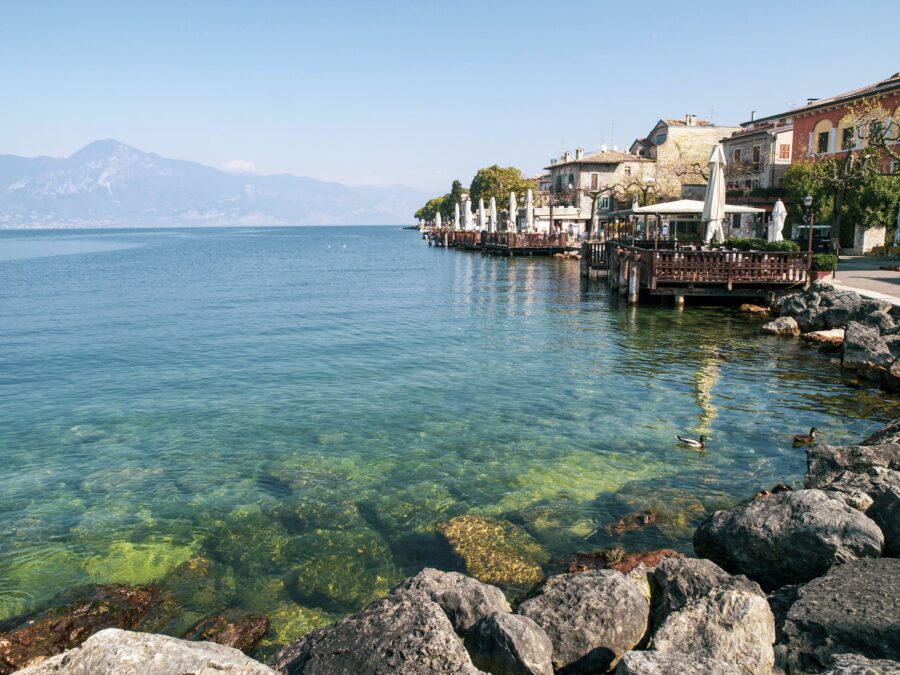
Clear Sea Water in Beach With Cottages

Conclusion

In conclusion, the Italian Self-Employment Visa presents a unique opportunity for individuals seeking remote work in Italy.

With its flexible residency and work permit, this visa allows non-EU or non-EEA nationals to legally establish themselves as self-employed individuals in the country.

The eligibility requirements, benefits, and application process outlined in this article provide comprehensive information for prospective applicants.

With its stunning landscapes, access to superior healthcare, and visa-free travel within the European Union, Italy is an ideal destination for remote work.

Frequently Asked Questions

How Long Can I Stay in Italy With a Self-Employment Visa?

With a self-employment visa in Italy, you can stay long-term and enjoy the benefits of remote work. This includes access to better healthcare, visa-free travel within the EU, and the convenience of working in a beautiful European country.

Can I Apply for the Self-Employment Visa if I Don’t Meet the Minimum Income Requirement?

Yes, it is possible to apply for the self-employment visa in Italy even if you do not meet the minimum income requirement. However, it is advisable to explore alternative visa options that may better suit your circumstances.

Are There Any Restrictions on the Type of Work I Can Do With a Self-Employment Visa in Italy?

There are no specific restrictions on the type of work you can do with a self-employment visa in Italy. This visa allows digital nomads to explore various self-employment opportunities in Italy and enjoy the benefits of working remotely in a beautiful country.

Can I Travel to Other European Countries With a Self-Employment Visa?

Yes, with an Italian Self-Employment Visa, you can travel to other European countries. This provides opportunities for networking and collaboration with professionals in different locations, enhancing your remote work experience.

Is There a Limit to the Number of Family Members I Can Include in My Self-Employment Visa Application?

The number of family members you can include in your self-employment visa application may vary depending on the specific requirements of the Italian immigration authorities. Documentation, such as proof of relationship and identification, will be needed for each family member included in the application.

Similar Posts

Italian Self-Employment Visa: Your Ticket to Remote Work in Beautiful Italy

The Colosseum, Rome

Last Updated on 14 March 2024

The Italian Self-Employment Visa presents a unique opportunity for individuals seeking remote work in Italy.

This visa program allows non-EU or non-EEA nationals to legally establish residency and work as self-employed individuals.

Therefore, it is the perfect visa for digital nomads.

With benefits such as renewable permits, potential permanent residence, and access to superior healthcare, this visa offers stability and flexibility for digital nomads and remote workers.

In this article, we will provide a comprehensive guide to the application process and answer frequently asked questions about the Italian Self-Employment Visa.

Key Takeaways

  • The Italian Self-Employment Visa allows non-EU nationals to establish residency and work remotely in Italy.
  • The requirements for the self-employment visa include a clean criminal record, suitable accommodation in Italy, a minimum annual income of €8,500, and comprehensive health insurance.
  • The Self-Employment Visa grants a renewable permit with an initial one-year validity, and immediate family members can be included in the application.
  • Benefits of the Self-Employment Visa include avoiding double taxation, access to better healthcare, visa-free travel within the European Union, and the opportunity to work remotely in one of Europe’s most beautiful countries.
Tower of Pisa

Eligibility Requirements for the Italian Self-Employment Visa

To be eligible for the Italian Self-Employment Visa, non-EU or non-EEA nationals must meet a set of requirements.

These include having a clean criminal record and a minimum annual gross income of €8,500.

Proof of income is a crucial aspect of the application process, and applicants must provide evidence of earning this amount in the year prior to the visa application or through contractual compensation.

In addition to proof of income, there are several required documents that must be submitted.

These documents include suitable accommodation in an Italian state, comprehensive health insurance covering hospitalization or medical expenses for the first 30 days of entry, a certificate of ‘no impediment’ to provide freelance services and highly qualified work activities in Italy, and proof of sufficient economic funds to maintain stay and perform services.

Meeting these requirements and submitting the necessary documents are essential steps in obtaining the Italian Self-Employment Visa.
Assorted-color Houses Beside Body of Water

Benefits of the Italian Self-Employment Visa for Digital Nomads

With the Italian Self-Employment Visa, digital nomads can enjoy numerous benefits while working remotely in Italy.

The advantages of the Italian Self-Employment Visa for digital nomads include avoiding double taxation, access to better healthcare, and visa-free travel within the European Union.

Additionally, close family members can be included in the application, allowing for family reunification.

Working remotely becomes more convenient in one of the most beautiful European countries, and no tax residency is established in Italy, resulting in tax advantages.

To qualify for the Italian Self-Employment Visa, non-EU or non-EEA nationals must have a clean criminal record, suitable accommodation in Italy, an annual gross income of at least €8,500, comprehensive health insurance, and proof of sufficient economic funds.

The application process involves filling out the application form, scheduling an appointment with an Italian Consulate or Embassy, preparing the necessary documents, attending an interview, and paying the visa fee.

Application Process for the Italian Self-Employment Visa

The application process for the Italian Self-Employment Visa involves several steps.

First, applicants must complete the application form for the Self-Employment Visa, ensuring that all required information is provided accurately.

Next, they need to contact the Italian Consulate or Embassy in their home country to schedule an appointment for submitting the application.

It is essential to gather all the necessary documents, which may include proof of income, criminal record clearance, health insurance coverage, and proof of suitable accommodation in Italy.

Applicants will then attend an interview where they may be asked to provide additional information or clarify any details in their application.

Finally, they will need to pay the visa fee, which may vary depending on the applicant’s nationality.

The timeline for the self-employed visa application typically takes around two months, but it may vary depending on the individual circumstances and the workload of the consulate or embassy.

Brown Wooden Dock Near Brown Wooden Kayak in Water

Why Italy Is an Ideal Destination for Remote Work

Italy offers numerous advantages as an ideal destination for remote work.

Here are four reasons why Italy is an appealing choice for digital nomads:

  1. Cost of Living: Italy has a relatively affordable cost of living compared to other European countries. Accommodation, transportation, and daily expenses are reasonably priced, allowing remote workers to maintain a comfortable lifestyle without breaking the bank.
  2. Beautiful Environment: Italy is renowned for its breathtaking landscapes, charming towns, and rich cultural heritage. Imagine working with a view of the picturesque Italian countryside or enjoying your lunch break in a historic piazza. The country’s natural beauty and cultural experiences make for an inspiring and enjoyable work environment.
  3. Digital Nomad Communities: Italy has a growing community of digital nomads. From co-working spaces and networking events to online communities and meetups, there are plenty of opportunities to connect with like-minded individuals, collaborate, and share experiences. These communities provide support and a sense of belonging for remote workers in Italy.
  4. Work-Life Balance: Italians value their work-life balance and prioritize leisure time. As a remote worker in Italy, you can embrace the Italian lifestyle and enjoy a slower pace of life. Take advantage of long lunch breaks, explore the local cuisine, and indulge in the vibrant social culture that Italy offers.

With its affordable cost of living, stunning landscapes, thriving digital nomad communities, and emphasis on work-life balance, Italy proves to be an ideal destination for remote work.

Other European Countries Offering Digital Nomad Visas

Other European countries, such as Malta, Curaçao, Portugal, and soon Spain, also offer Digital Nomad Visas.

These visas provide an opportunity for remote workers to live and work legally in these countries.

Each country has its own set of requirements for the visa application process.

Here is a comparison of the Digital Nomad Visa requirements for these countries:

CountryMinimum Income RequirementHealth Insurance RequirementLength of Visa
Malta€30,000 per yearComprehensive coverage1 year
CuraçaoProof of sufficient fundsMedical insurance6 months
PortugalNot specifiedHealth insurance1 year
SpainTo be announcedTo be announcedTo be announced

Working remotely in these countries offers several advantages.

Digital nomads can enjoy the beautiful landscapes, rich culture, and vibrant communities that these European countries have to offer.

Additionally, they can benefit from visa-free travel within the European Union, access to quality healthcare, and the opportunity to establish new connections and expand their professional network.
Clear Sea Water in Beach With Cottages

Conclusion

In conclusion, the Italian Self-Employment Visa presents a unique opportunity for individuals seeking remote work in Italy.

With its flexible residency and work permit, this visa allows non-EU or non-EEA nationals to legally establish themselves as self-employed individuals in the country.

The eligibility requirements, benefits, and application process outlined in this article provide comprehensive information for prospective applicants.

With its stunning landscapes, access to superior healthcare, and visa-free travel within the European Union, Italy is an ideal destination for remote work.

Frequently Asked Questions

How Long Can I Stay in Italy With a Self-Employment Visa?

With a self-employment visa in Italy, you can stay long-term and enjoy the benefits of remote work. This includes access to better healthcare, visa-free travel within the EU, and the convenience of working in a beautiful European country.

Can I Apply for the Self-Employment Visa if I Don’t Meet the Minimum Income Requirement?

Yes, it is possible to apply for the self-employment visa in Italy even if you do not meet the minimum income requirement. However, it is advisable to explore alternative visa options that may better suit your circumstances.

Are There Any Restrictions on the Type of Work I Can Do With a Self-Employment Visa in Italy?

There are no specific restrictions on the type of work you can do with a self-employment visa in Italy. This visa allows digital nomads to explore various self-employment opportunities in Italy and enjoy the benefits of working remotely in a beautiful country.

Can I Travel to Other European Countries With a Self-Employment Visa?

Yes, with an Italian Self-Employment Visa, you can travel to other European countries. This provides opportunities for networking and collaboration with professionals in different locations, enhancing your remote work experience.

Is There a Limit to the Number of Family Members I Can Include in My Self-Employment Visa Application?

The number of family members you can include in your self-employment visa application may vary depending on the specific requirements of the Italian immigration authorities. Documentation, such as proof of relationship and identification, will be needed for each family member included in the application.


Similar Posts