A Step-by-Step Guide On How To Open Bank Accounts In Malta

Last Updated on 7 January 2025
Navigating the process of opening a bank account overseas can be daunting, especially in an unfamiliar financial environment like Malta.
With its stable banking system and multiple options that cater to locals, expats, and companies alike, Malta presents an appealing choice for banking internationally.
This article will provide a step-by-step guide to help smooth the path to setting up your personal or business bank account in this Mediterranean country.
Key Takeaways
- Opening a bank account in Malta can help reduce taxes and diversify your wealth, while also providing easy access to banking services.
- To open a personal bank account in Malta, you typically need your passport or ID, a bank reference, proof of address, and proof of income.
- Opening a bank account for a company in Malta requires additional documents such as due diligence records, a business plan, proof of business address, company structure information, and a tax registration number.
- Maltese banking law ensures customer protection and the stability of the financial system. Deposits up to €100,000 are insured in case of bankruptcy.
Why Open a Bank Account in Malta?
Opening a bank account in Malta offers the opportunity to reduce taxes and diversify your wealth, while also providing easy access to banking services.
Reduce taxes and diversify wealth
Keeping more of your money is easy in Malta.
It has lower taxes for people and businesses.
This means you keep more of what you make. Plus, a bank account here helps spread out your cash.
Having money in different places can protect it better.
So, opening a bank account in Malta lets you pay less tax and secure your wealth too.
Easy access to banking services
In Malta, banking services are right at your fingertips.
Banks like HSBC Malta and Bank of Valletta give you a lot of choices.
They make it easy to manage money from anywhere in the world.
You can use their online platforms for a quick, safe way to do your business.
Also, there’s help if you need it.
Friendly staff are ready to guide you through steps or fix problems fast.
With these perks, doing business in Malta is smooth and stress-free.
Documents Required for Opening a Bank Account in Malta

To open a personal bank account in Malta, you will typically need to provide your passport or ID, a bank reference, and proof of address.
For individuals
Opening a bank account in Malta is simple. Here are the steps:
- Get your ID or passport ready.
- Find a bank reference letter.
- Have proof of your address.
- Show some proof of income, too.
For companies
To open a bank account in Malta for your company, there are some specific requirements and documents you need to provide.
Here is what you need to know:
- Due Diligence Documents: The banks in Malta require thorough due diligence on companies applying for a bank account. This includes submitting documents such as the company’s certificate of incorporation, memorandum and articles of association, and director/shareholder identification.
- Business Plan: It is important to have a detailed business plan for your company when opening a bank account in Malta. This plan should outline your company’s activities, financial projections, and any other relevant information.
- Proof of Business Address: You will need to provide proof of your company’s registered office address in Malta. This can be done by submitting utility bills or a lease agreement.
- Company Structure: Banks may require information about the ultimate beneficial owners (UBOs) of the company, including their identification documents and proof of source of funds.
- Tax Registration Number: Your company will need to have a tax registration number with the Maltese tax authorities before opening a bank account.

Provisions of Maltese Banking Law
Maltese banking law is regulated by the Malta Financial Services Authority (MFSA).
The law ensures that banks in Malta follow rules and guidelines to protect customers and maintain the stability of the financial system.
One important provision is that deposits in Maltese banks up to €100,000 are insured in case of bank bankruptcy.
This provides security for individuals and businesses who choose to open bank accounts in Malta.
Another provision is that non-residents can open bank accounts in Malta, although additional documentation may be required.
Overall, the Maltese banking law aims to create a transparent and trustworthy banking environment for both residents and non-residents.

Choosing the Best Maltese Bank
When choosing the best Maltese bank, consider options like PostaPay, Bank of Valletta (BOV), and HSBC.
PostaPay
If you’re looking for the best bank in Malta to open a bank account, consider PostaPay.
This bank is associated with choosing the right Maltese bank for your needs.
As a digital entrepreneur or expat, PostaPay can provide you with convenient and reliable banking services in Malta.
They offer a range of personal and business banking options, including multi-currency accounts.
With their expertise in the Maltese banking system, PostaPay can help make opening an account smooth and hassle-free.
Bank of Valletta (BOV)
The Bank of Valletta (BOV) is one of the largest banks in Malta.
It is a popular choice for opening a bank account because of its reliable services.
However, it’s important to note that BOV may have higher commission fees compared to other banks in Malta.
Nevertheless, with their significant market share and range of services, Bank of Valletta (BOV) remains a good option for digital entrepreneurs and expats looking to open a bank account in Malta.
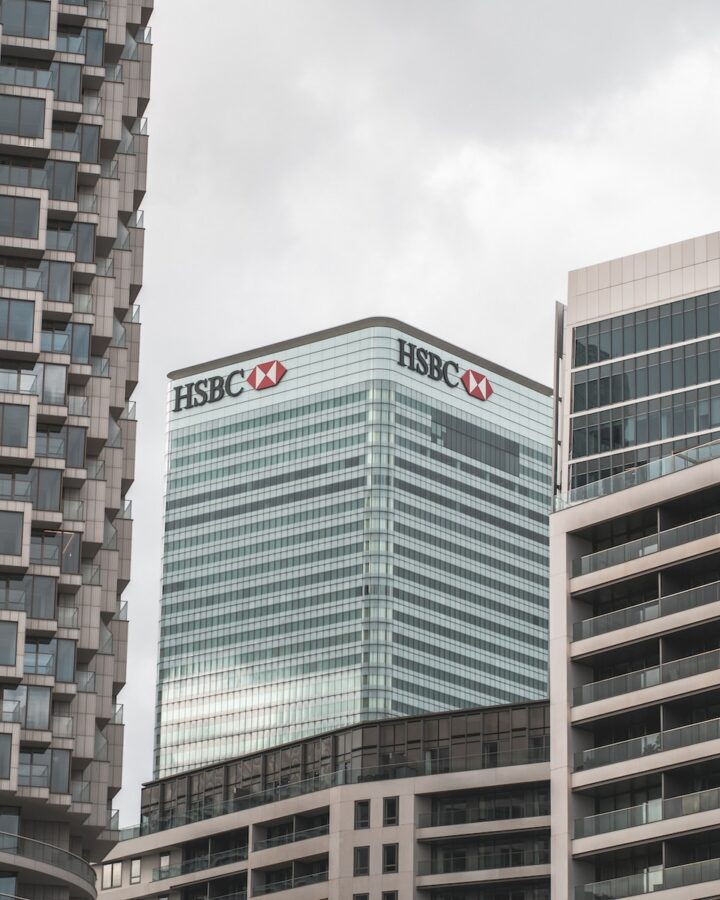
HSBC
HSBC Malta is the largest international bank in Malta.
It can be a good choice when opening a bank account in Malta because of its reputation and stability.
As an expat or digital entrepreneur, having access to a reputable and trusted bank like HSBC can help you manage your finances more effectively.
HSBC’s association with choosing the best Maltese bank reinforces the idea that it is reliable and follows regulatory guidelines.
By selecting HSBC, you can benefit from their extensive banking services and expertise in international banking.
Tips for a Smooth Process
To ensure a smooth process when opening a bank account in Malta, make sure to schedule an appointment, consider virtual bank accounts, and be aware of fees for international transfers.
Want to know more? Keep reading!
Schedule an appointment
To open a bank account in Malta, it is important to schedule an appointment with the chosen bank.
This allows you to discuss your requirements and complete the necessary paperwork.
Keep in mind that opening a personal bank account usually takes around two weeks.
For corporate accounts, you can choose from major banks like Bank of Valletta and HSBC.
Scheduling an appointment ensures that your banking needs are addressed promptly and efficiently, making the process smoother for you as a digital entrepreneur or expat relocating to Malta.
Consider virtual bank accounts
When opening a bank account in Malta, it’s worth considering virtual banaccounts,ts as they can make the process smoother.
Virtual bank accounts provide an alternative option for residents and offshore companies who want to bank outside of Malta.
These accounts offer convenient online banking services and can help you avoid unnecessary hassle with traditional banks.
By opting for a virtual bank account, you can streamline your financial transactions and enjoy greater flexibility in managing your funds.
So, if you want a simpler banking experience in Malta, virtual bank accounts are definitely worth considering.
Be aware of fees for international transfers.
When opening a bank account in Malta, it is important to be aware of the fees associated with international transfers.
These fees can vary from bank to bank and may have an impact on your overall banking costs.
Before choosing a Maltese bank, make sure you inquire about their international transfer fees and consider how often you will need to make such transfers.
By understanding these fees upfront, you can better plan your financial transactions and avoid any unexpected charges.
So, when opening a bank account in Malta, don’t forget to factor in the fees for international transfers to ensure a smooth banking experience.
Remember, being informed about potential costs is essential for managing your finances effectively as a digital entrepreneur or expat in Malta.

Conclusion
In conclusion, opening a bank account in Malta can be a beneficial step for digital entrepreneurs and expats.
With a stable banking system and a range of options to choose from, you can reduce taxes, diversify your wealth, and have easy access to banking services.
By following the step-by-step guide outlined above, you will be well-equipped to navigate the process smoothly and open a bank account that meets your needs in Malta.
Frequently Asked Questions
What does your guide to banking in Malta tell us?
The guide provides steps on how to open personal and business accounts in Malta’s banking sector with a local bank or an offshore bank.
Who can open a corporate bank account in Malta?
Any business registered in Malta can open a corporate bank account, whether you’re a resident or not. You only need the right documents, which may vary from one bank to another.
How many banks are there in Malta where I can open an account?
There are many banks where you can choose to create current, private and offshore accounts. Your choice depends on what services suit your needs best.
Are there any rules for opening an account with HSBC Bank or other credit institutions in Malta?
Yes! All banks follow the Banking Act made by the Central Bank of Malta and the European Central Bank.
Can non-residents access banking services like locals?
Malta has rules that allow residents and non-residents alike to get access to their range of banking services, including government-regulated offshore accounts!
What is different about offshore banking services offered by Maltese banks as compared to other international banks?
It’s important that each country’s laws dictate how their foreign-owned accounts work; this means that being aware of country-specific regulations will help ensure you pick the most suitable option.