The Offshore Investor’s Guide To Hassle-Free Debit Card Transactions

Last Updated on 2 January 2025
As an offshore investor, one of the biggest hassles you face is managing your debit cards across multiple countries. Whether it’s declined transactions, frozen accounts, or lost cards, these trivial banking issues can quickly escalate into major headaches when living abroad.
Navigating the complex world of international banking can be a daunting task, leaving you frustrated and uncertain about the safety of your funds.
Here’s a fact: almost half of US citizens don’t even have a passport, let alone experience the challenges of managing offshore accounts and debit cards. But for those who embrace the expatriate lifestyle, diversifying your banking relationships is crucial to avoiding potential pitfalls.
This guide will equip you with effective strategies and insider tips to ensure smooth, hassle-free debit card transactions, no matter where your adventures take you. Get ready to unlock the secrets of seamless global banking.
Key Takeaways
- Diversify your banking relationships across multiple jurisdictions to mitigate risks of account freezes, lost cards, or regulatory changes affecting a single institution.
- Leverage digital banking tools like mobile payment apps, virtual debit cards, and spending controls to enhance security and convenience when making transactions abroad.
- Establish personal banking relationships to expedite card replacements and receive prompt assistance when issues arise during critical moments or overseas travel.
- Consider the strategic advantages of maintaining offshore accounts, such as asset protection, tax optimization, and access to global investment opportunities.
- Evaluate critical factors like banking privacy, political stability, and professional services when selecting offshore jurisdictions for your financial activities.
Navigating Debit Card Challenges as an Offshore Investor
As an offshore investor, trivial banking issues can severely impact your financial operations. Diversification plays a crucial role in ensuring seamless debit card functionality across multiple jurisdictions.
Misapplying banking tools often leads to undesirable consequences and financial setbacks.
The impact of trivial banking issues for expatriates
I once got locked out of my Romanian bank account over a small paperwork issue. It took weeks to resolve, leaving me struggling to pay bills or withdraw cash.
Such incidents highlight the criticality of redundancy. Never rely on a single bank or payment method abroad. Maintain multiple checking accounts and debit/credit cards from various institutions across different countries.
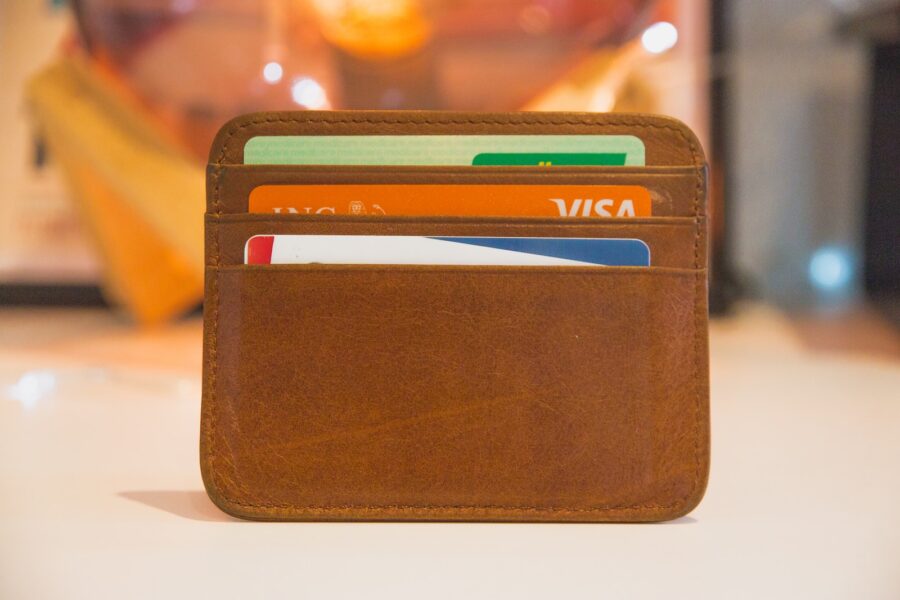
This diversification ensures you always have a backup. Prepaid travel cards from major networks like Visa can provide an additional safety net.
An ounce of prevention is worth a pound of cure. – Benjamin Franklin
The role of diversification in debit card functionality
Trivial banking glitches can severely hamper an expatriate’s lifestyle. That’s why diversification is crucial for seamless debit card transactions. Multiple international bank accounts mitigate risks from account freezes or card blockages.
Say your primary account faces issues—having backups ensures uninterrupted access to funds worldwide.
Moreover, different banking tools serve distinct purposes for global citizens. Your US account might handle domestic expenses, while an offshore account manages investments or international payments.
Juggling various financial instruments allows you to optimize each for its intended use-case. This strategic segregation prevents misapplication and bolsters operational efficiency.
Ultimately, diversifying across multiple reputable banks, cards, and payment methods builds a robust financial infrastructure resistant to localized disruptions. It’s a foundational principle for maintaining liquidity and transactional freedom as an offshore investor traversing jurisdictions.
Misapplication of banking tools and its consequences

Misusing banking tools creates a minefield of problems. For example, attempting to wire money internationally from your local checking account may trigger fraud alerts. Banks scrutinize unusual activity to thwart criminals.
Similarly, using prepaid debit cards for recurring bills often fails as these cards lack key account details. Misapplied tools breed frustration, frozen funds, and lost time unraveling knots.
Financial tools serve specific purposes. A hammer pounds nails, not screws. Applying the wrong banking instrument yields subpar results at best. At worst? Frozen accounts, legal troubles, and identity theft vulnerabilities.
Effective Strategies for Smooth Debit Card Use

Exploiting the Trifecta model simplifies global banking procedures. It involves maintaining multiple international bank accounts with institutions offering superior digital services and personalized support.
Leveraging mobile payment apps like Apple Pay and Google Pay enhances transaction security while delivering unparalleled convenience.
Embracing the Trifecta model for global banking efficiency
Managing offshore bank accounts across multiple jurisdictions ensures uninterrupted financial transactions. The Trifecta model advocates maintaining primary home bases with banking facilities in three strategic locations.
This diversification strategy mitigates risks associated with regulatory changes, economic turmoil, or banking disruptions in any one country.
For instance, I had accounts in the United Arab Emirates, Singapore, and Switzerland. When UAE introduced stricter regulations, my Singapore and Swiss accounts remained operational.
Geographical dispersion of accounts allows you to sidestep potential banking hurdles seamlessly. With digital banking, effortlessly transferring funds across borders has become a reality.
Diversification is the only free lunch in investing. – Harry Markowitz
The strategic value of multiple international bank accounts

Having accounts in different countries provides flexibility. For instance, one account handles routine expenses. Another holds emergency funds in a stable currency like euros or Swiss francs.
The third account could be in a tax-friendly jurisdiction for investments.
Multiple bank accounts spread risk. If one bank blocks access, other accounts continue working. With accounts worldwide, travel disruptions rarely impact finances. This approach shields assets from threats like currency devaluations, economic turmoil, and political instability in any single nation.
From experience, strategically positioning funds globally avoids crippling restrictions. While most expatriates encounter issues obtaining credit cards or mortgages from local banks, maintaining international accounts mitigates those obstacles.
Leveraging digital card features for enhanced security
Debit card transactions remain vulnerable to fraud and theft. Enhanced security features empower you to conduct seamless financial activities, minus the hassles:
- Activate digital wallets like Apple Pay or Google Pay for tokenized transactions – replacing sensitive details with encrypted codes.
- Impose spending limits on debit cards to restrict unauthorized purchases and recurring billings.
- Leverage temporary virtual cards for one-time online purchases, safeguarding your primary card data.
- Enable location-based spending controls to allow transactions only within designated geographic areas.
- Opt for biometric authentication like fingerprint scanning or facial recognition for approving payments.
- Receive instant alerts for suspicious activities, empowering you to freeze cards proactively.
I’ve personally reaped immense benefits from spending limits on debit cards. During a recent trip abroad, I inadvertently allowed recurring subscriptions on a temporary card – only to discover substantial unauthorized charges later.
Thankfully, the capped limit prevented major financial losses, underscoring the significance of leveraging such protective features diligently.
Utilizing mobile payment services for convenient transactions
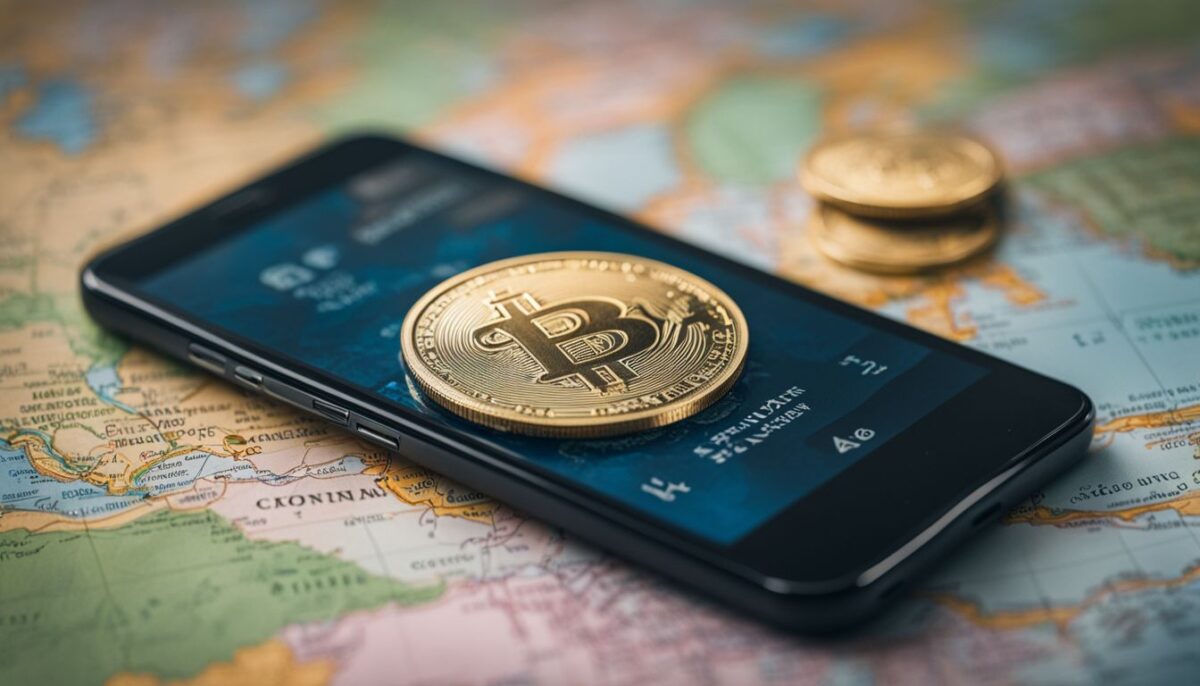
You are on-the-go. Mobile payment services offer a seamless way to transact.
- 🔑 Secure tokenization replaces sensitive card details. Transactions become safer.
- 💳 Provisioned cards enable one-time or spending limit usage. Mitigating risks of fraud or misuse.
- 📲 Near-field communication technology facilitates tap-and-pay. No physical cards required.
- 🌐 Multi-currency wallets cater to global needs. Conversion hassles eliminated.
- ⚙️ Integration with banking apps provides oversight. Monitor transactions effortlessly.
Harnessing mobile payment services streamlines offshore investing activities. Efficiency is the cornerstone for conquering debit card troubles.
Offshore Banking Management for Seamless Operations
You cannot afford lapses in your debit card’s functionality. Securing multiple international bank accounts shields you from trivial banking glitches.
Leverage digital card features and mobile payment services. They enhance security and convenience for your transactions. Utilizing personal banking services expedites card replacements if issues arise.
The reality of banking privacy in today’s regulatory landscape
Banking privacy faces new challenges due to stricter regulations like FATCA (Foreign Account Tax Compliance Act) and CRS (Common Reporting Standard).
Financial institutions must disclose foreign account details to authorities, compromising confidentiality.
Offshore investors can no longer rely on traditional banking secrecy laws for complete privacy.
However, modern internet banking provides enhanced security for offshore accounts. Digital banking tools like mobile apps, biometrics, and encrypted communications safeguard sensitive data.
The advantages of personal banking services for immediate card replacement

Personalized banking service delivers swift card replacements, eradicating disruptions to your financial operations. Prompt response and overnight deliveries ensure uninterrupted access to funds, preventing unnecessary inconveniences during crucial transactions or overseas travel.
Establish a relationship with your banker for immediate assistance when mishaps like lost or stolen cards arise. This individualized attention fosters financial peace of mind, enabling you to focus on your business endeavors.
In my consulting work, I’ve witnessed entrepreneurs grappling with banking hiccups during critical moments. A client lost their card while closing a major deal abroad. Thanks to their private banker’s swift response, a replacement arrived overnight, averting potential catastrophe.
Banking challenges for the Nomad Capitalist lifestyle

As an investor or entrepreneur embracing a nomadic lifestyle, managing your finances across multiple jurisdictions presents unique obstacles.
Traditional banks often struggle to accommodate the needs of globe-trotters, imposing exorbitant fees for international transactions and offering limited support for overseas accounts.
Navigating the intricate web of regulatory requirements and tax implications can be a daunting task, further compounded by the disparate banking practices across borders.
Personalized financial services tailored to the Nomad Capitalist ethos are the key to overcoming these hurdles. Strategically establishing offshore accounts in tax-friendly jurisdictions, coupled with local banking relationships for day-to-day transactions, can streamline your financial operations.
Leveraging cutting-edge technologies like multi-currency debit cards and digital wallets empowers you to conduct seamless cross-border transactions while mitigating exposure to unfavorable exchange rates.
The benefits of local tax-free banking over distant tax havens

Local tax-free banking provides substantial advantages over distant tax havens. It offers greater privacy, accessibility, and control over your financial affairs. Political and economic instability in some offshore locations pose risks to your wealth.
With local tax-free accounts, you capitalize on opportunities without complexities. High tax liabilities and travel restrictions hinder offshore banking’s practicality. Local banking preserves your wealth while allowing you to seize prospects seamlessly.
Transacting through local tax-free accounts enhances security. You avoid pitfalls like currency conversion fees, double taxation, and regulatory scrutiny associated with offshore havens.
Easy replacement of lost or stolen payment cards ensures uninterrupted financial operations. This convenience aligns with an entrepreneurial lifestyle demanding agility.
As investors or entrepreneurs, the upsides of local tax-free banking outweigh those of distant tax havens. You experience streamlined money management tailored to your specific country’s affairs.
Key Considerations for Offshore Financial Planning
Offshore financial planning encompasses strategic objectives, critical factors, and risk management advantages. Tax treaties, banking privacy, and regulatory landscapes warrant thorough analysis.
Thoughtful decision-making regarding offshore accounts, local tax-free banking, and personal banking services is crucial for smooth operations. Farsighted investors diligently weigh all considerations for hassle-free transactions and financial security.
Explore further insights in our comprehensive guide.
Strategic objectives for offshore financial activities

Securing your wealth globally serves as a strategic bulwark against domestic risks. Offshore accounts facilitate asset protection, mitigating potential losses from lawsuits, creditors, or political instability in your home country.
Additionally, they provide tax optimization opportunities by leveraging favorable jurisdictions, enabling you to preserve more of your hard-earned capital. Beyond shielding your finances, offshore structures empower you to capitalize on global prospects, granting access to diversified markets and lucrative ventures across borders.
These powerful tools bolster your financial autonomy, empowering you to craft a comprehensive contingency plan for unforeseen circumstances. By strategically allocating assets offshore, you fortify your legacy, ensuring a robust inheritance for future generations.
Critical factors influencing offshore banking decisions
Investors often hold multiple financial objectives when seeking offshore banking solutions.
Determining the right offshore bank involves assessing various factors:
- Asset Protection: Safeguarding wealth from litigious threats, political instability, or economic turmoil in your home country is paramount. Evaluate jurisdictions with robust asset protection laws and banking secrecy.
- Tax Efficiency: High-tax environments can erode returns on investments. Offshore banking can legally minimize tax burdens through strategic structuring and jurisdictional advantages.
- Global Mobility: As an expatriate or frequent traveler, you require seamless access to funds across borders. Assess banks’ international footprint, multi-currency capabilities, and digital banking features.
- Privacy and Confidentiality: While stringent regulations like FATCA have impacted banking privacy, certain jurisdictions still offer enhanced confidentiality compared to domestic options.
- Political and Economic Stability: Scrutinize a nation’s fiscal policies, debt levels, corruption indices, and overall political climate before entrusting your wealth.
- Banking Infrastructure: World-class institutions with cutting-edge technology, robust capitalization, and a solid track record inspire confidence.
- Professional Services: Top-tier jurisdictions boast ecosystems of skilled providers—lawyers, accountants, and corporate service firms—to support your offshore operations.
- Investment Opportunities: Some offshore banks facilitate access to exclusive investment products and markets that are inaccessible domestically.
From personal experience, meticulously evaluating these nuanced factors unlocks optimal offshore banking aligned with your unique circumstances and long-term goals.
Advantages of offshore accounts in financial risk management
Offshore accounts offer a range of advantages for investors and entrepreneurs seeking financial risk management strategies.
- Geopolitical diversification safeguards assets from regional instability, political turmoil, or economic downturns in any single jurisdiction.
- Legal and regulatory diversification shields wealth from potential changes in laws, taxation policies, or government actions in any one country.
- Currency diversification hedges against inflation risks and foreign exchange fluctuations impacting any single national currency.
- Asset protection structures like trusts and foundations create legally robust firewalls around investments and savings.
- Privacy enhances security by obscuring finances from prying eyes, reducing exposure to fraud, identity theft, or extortion attempts.
- Tax optimization facilitates global tax efficiency by legally accessing jurisdictions with lower rates or special regimes for certain income types.
- Estate planning tools enable orderly, tax-efficient wealth transfers across generations or geographies.
- Business opportunities arise from having a global banking footprint, positioning capital for investments worldwide.
- Crisis contingencies allow rapid relocation of funds during emergencies, conflicts, or personal security threats.
- International lifestyle support caters to global citizens’ unique cross-border financial needs and mobility.
From my experience, implementing these strategies has mitigated numerous risks over the years. Offshore diversification protects what I’ve worked hard to build.
Conclusion
As an offshore investor, ensuring hassle-free debit card transactions is crucial for maintaining financial flexibility and operational efficiency across borders.
By embracing a diversified banking strategy, leveraging digital tools like mobile wallets and virtual cards, and cultivating personalized banking relationships, you can navigate the complexities of global finance with confidence.
Remember, strategic planning, regulatory compliance, and a proactive approach to risk management are key to unlocking the full potential of offshore banking and safeguarding your wealth.
Embrace these principles, and you’ll be well-equipped to conduct seamless financial transactions, no matter where your journey takes you.
FAQs
1. Can I use my debit or credit card at ATMs and for purchases when living abroad?
Absolutely! Debit and credit cards are widely accepted at ATMs (cash machines and dispensers) and for purchases worldwide. Just be cautious of card skimmers and shoulder surfing when entering your PIN code.
2. What’s the deal with foreign transaction fees?
Using your debit or credit card abroad often incurs extra charges, like foreign transaction fees, from your bank or card issuer. Ouch! But some travel cards waive or reduce these pesky fees.
3. I’m an American living overseas. How do taxes work with my bank accounts and card usage?
As a U.S. citizen, you must report all foreign-earned income and assets like bank accounts, investments, etc. on your annual tax return to the IRS. Noncompliance could mean penalties, so it is best to consult a tax professional.
4. Are wire transfers safer than using cards internationally?
Wire transfers can avoid card skimming risks but may have higher fees. Your choice depends on amounts, countries involved, and personal risk tolerance. Some prefer keeping funds spread across cards, bank accounts, and mobile banking options.
5. Any tips for avoiding fraud when using cards abroad?
Stick to secure ATMs, avoid public WiFi for banking, and don’t let cards out of sight for merchants to swipe elsewhere. Also watch for shady tactics like dynamic currency conversion. A little caution goes a long way!
6. Can using foreign bank accounts or cards illegally hide income?
Absolutely not! Tax evasion and money laundering via offshore accounts are serious financial crimes. The IRS and agencies like FinCEN aggressively pursue tax evaders. Proper reporting of all income is a must.