Everything you Need to Know to Retire in Cyprus

Last Updated on 4 October 2025
Planning a potential retirement abroad requires a clear, methodical approach, especially when considering a destination like Cyprus. As a financial strategist, my focus is on translating complex regulations into actionable plans. This guide provides the foundational knowledge necessary for making a sound decision about whether you can and should retire in Cyprus.
The core principle is to verify your eligibility and financial runway before making any commitments.
We will proceed in a structured order. First, we will establish a baseline understanding of the lifestyle and associated costs. Second, we will cover the specific legal and financial requirements for residency. Finally, we will review the healthcare system to complete your operational plan.
Key Takeaways
- Residency Pathways: Non-EU citizens have two primary routes to retire in Cyprus. The first is the Category F permit for those with sufficient foreign income, and the second is a permanent residency permit obtained by investing at least €300,000 in new real estate.
- Favorable Pension Tax: Cyprus offers a highly attractive tax regime for foreign pensions. You can choose a flat tax rate of just 5% on pension income exceeding €3,420 annually, which is one of the lowest in Europe.
- Affordable Living: While costs vary by city, the overall cost of living in Cyprus is lower than in many other Western European nations. A single person can live comfortably for approximately €1,500-€2,000 per month.
- Accessible Healthcare: Retirees who become legal residents can access the public healthcare system, known as GESY, by paying modest contributions.
- Straightforward Relocation: For EU citizens, Moving to Cyprus involves minimal bureaucracy, while non-EU citizens have clear, investment-based pathways to secure residency.
Cyprus Lifestyle and Attractions
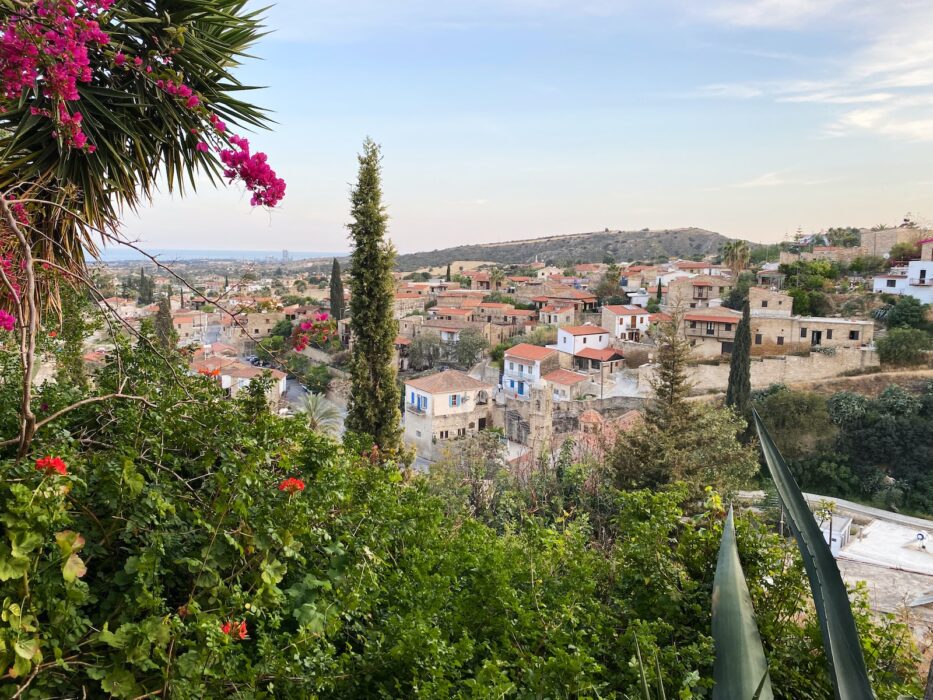
Cyprus provides a lifestyle defined by its Mediterranean climate, offering an average of 320 sunny days each year. This makes outdoor activities a central part of life for retirees.
The island’s geography allows for a unique range of activities. You can spend the morning on one of the Blue Flag beaches, like Fig Tree Bay, and the afternoon hiking in the Troodos Mountains, which even offer snow sports in the winter.
The culture and history of Cyprus are also deeply ingrained, with an array of historical sites like ancient castles, churches, and the famed Tombs of the Kings.
The local culture is often described by the phrase “siga-siga,” meaning “slowly, slowly.” This relaxed pace is a significant draw for retirees looking to escape a more hectic lifestyle. The social environment is friendly, and English is widely spoken, particularly in areas with large expat populations like Paphos, which simplifies daily life.
This combination of natural beauty, historical depth, and a relaxed social fabric makes Cyprus a compelling option for a retirement destination.
Understanding the Cost of Living
From a financial planning perspective, understanding your budget is the most critical step. The cost of living in Cyprus is quite manageable compared to the UK or other major EU countries. However, expenses vary significantly depending on the city you choose.
Limassol is the most cosmopolitan and also the most expensive city, while Paphos and Larnaca offer a more relaxed and affordable lifestyle popular with retirees. To make an informed decision, you need to see the numbers side-by-side.
Here is a data-driven comparison of estimated monthly expenses for a single person across the three most popular cities for retirees.
| Expense Category | Paphos | Larnaca | Limassol |
|---|---|---|---|
| 1-Bedroom Apartment Rent (City Center) | ~ €800 – €1,100 | ~ €700 | ~ €1,200+ |
| Basic Utilities (Electricity, Water) | ~ €150 – €200 | ~ €150 – €200 | ~ €200 – €250 |
| Groceries | ~ €300 – €400 | ~ €300 – €400 | ~ €350 – €450 |
| Estimated Monthly Total | ~ €1,250 – €1,700 | ~ €1,150 – €1,300 | ~ €1,750 – €1,900 |
While public transportation exists, most expats find that owning a car is necessary for convenience. You should also budget for high electricity costs, particularly in the summer, as air conditioning is essential. A 2022 study noted Cyprus has one of the highest electricity costs in the EU.
Steps to Retiring in Cyprus
For non-EU citizens, securing the right to retire in Cyprus requires following a specific legal pathway. There is no dedicated “retirement visa,” so you must qualify for a residency permit. In my experience as a financial strategist, clients typically pursue one of two primary options.
Option 1: The Category F Permit
This is the most common route for retirees with a steady income from abroad. The Category F permit is designed for individuals who can support themselves without working in Cyprus.
- Income Requirement: You must demonstrate a minimum annual income of at least €9,568 for a single applicant. This amount increases by €4,613 for each dependent, such as a spouse.
- Source of Income: This income must come from outside Cyprus. Accepted sources typically include pensions, investments, dividends, or rental income.
- Property: While not mandatory, purchasing a property is highly recommended to strengthen your application. Renting a home is technically sufficient, but property ownership is viewed more favorably by the Civil Registry and Migration Department (CRMD).
A key consideration for the Category F permit is the processing time, which can be lengthy. Applicants should be prepared for a wait and may need a temporary permit to reside in Cyprus while the application is under review.
Option 2: Permanent Residency by Investment
For those seeking a faster and more direct route, the investment pathway offers permanent residency. This option is often referred to as a “Golden Visa.”
- Investment Amount: The primary requirement is to invest a minimum of €300,000 (plus VAT) into new residential real estate.
- Income Verification: In addition to the investment, you must prove a secure annual income from abroad of at least €50,000. This increases by €15,000 for a spouse and €10,000 for each dependent child.
- Process: This is a fast-track program, with residency typically granted within a few months. It provides immediate certainty and covers the entire family.
Regardless of the path you choose, engaging a reputable Cypriot immigration lawyer is a non-negotiable step to ensure all paperwork is filed correctly and to avoid common pitfalls.

Navigating Healthcare and Insurance
A sound retirement plan must include a clear strategy for healthcare coverage. Cyprus has a dual-tier system, giving retirees viable options for managing their medical needs.
The foundation of the public system is the General Healthcare System, known as GESY. Once you are a legal resident of Cyprus, you are eligible to register.
GESY is funded through contributions from income. Pensioners contribute 2.65% of their pension income to the system. In return, you receive access to doctors, specialists, and hospital care at very low co-payments. For example, a visit to a specialist with a referral costs just €6.
While GESY provides comprehensive coverage, many expats also choose to carry private health insurance. This is often done to gain faster access to specialists and to have the option of being treated in private hospitals, such as the American Medical Center in Nicosia. Private insurance plans offer more flexibility but come at a higher cost.
| Healthcare Option | Primary Benefit | Typical Cost Structure |
|---|---|---|
| Public (GESY) | Low-cost, comprehensive coverage for residents. | 2.65% contribution from pension income; small co-pays for services. |
| Private Insurance | Faster access to specialists and private facilities. | Annual premiums often range from €1,500 to €3,000 per person. |
| International Plans | Global coverage, ideal for frequent travelers. | Higher premiums; providers like Cigna or Bupa are common choices. |
From a financial management perspective, offshore banking can also be a useful tool for managing international pensions and assets. Consulting a financial advisor who understands the cross-border implications is essential for a secure retirement.
Retirement Centers and Community Options
Unlike some other retirement destinations, Cyprus does not have a large market of purpose-built retirement villages. Instead, retirees tend to integrate into established residential areas, many of which have large and active expat communities.
Paphos, in particular, is renowned for its substantial British expat community. This creates a strong social support network that is highly valuable for newcomers. Areas within Paphos like Tala and Peyia are especially popular among retirees for their tranquil environment and beautiful views.
The social life for retirees often revolves around community-led activities and clubs rather than formal retirement center programs. These can include:
- Social clubs and organizations that host regular events and gatherings.
- Walking groups that explore the island’s many scenic trails.
- Local sports clubs for activities like golf or lawn bowls.
- Cultural and educational programs offered in local communities.
This structure allows for a more independent lifestyle while still providing ample opportunities for social interaction and engagement, which is a key factor for a high quality of life in retirement.
Frequently Asked Questions
What Is the Process of Obtaining a Driver’s License for Retirees in Cyprus?
Retirees from EU countries can typically exchange their existing license for a Cypriot one without a test. Non-EU residents may need to pass a driving test. It is important to secure local car insurance, as foreign policies may not provide adequate coverage for long-term residents.
How Is the Public Transportation System in Cyprus for Those Who Prefer Not to Drive?
Cyprus has an intercity bus system connecting major towns, which is affordable and efficient for longer journeys. However, local bus services within towns can be less frequent, and many retirees find that owning a car is more convenient for daily errands and exploring the island.
What Are the Options for Learning the Local Language and Integrating into the Cypriot Culture?
While English is widely spoken, learning some Greek is highly encouraged for cultural integration. Many private language schools and community centers offer Greek language courses specifically for foreigners. Participating in local village festivals and cultural events is another excellent way to integrate.
Are There Any Specific Visa Requirements for Retirees Wishing to Bring Pets to Cyprus?
Yes, bringing pets to Cyprus requires adherence to EU regulations. Your pet will need a microchip, a valid rabies vaccination, and an EU pet passport or an official health certificate from your home country. It is best to consult a pet relocation service to ensure all requirements are met.
Can Retirees Easily Access Their Home Country’s TV and Radio Stations in Cyprus?
Accessing international media is straightforward. Most retirees use satellite TV services or internet-based streaming (IPTV) to watch channels from their home country. High-speed internet is widely available, making it easy to stay connected to news and entertainment from abroad.