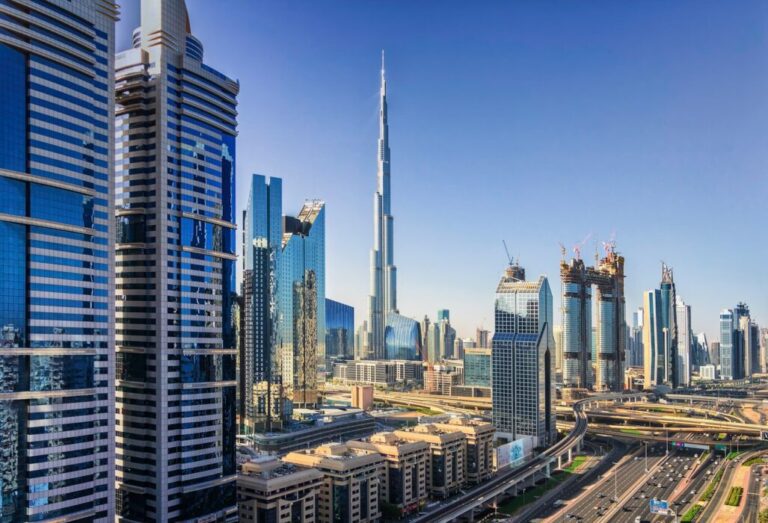
Europe's Livability on the Decline


Last Updated on 5 January 2025
As Europe faces the complexities of the 21st century, the continent’s once-enviable livability is encountering formidable challenges.
Major European cities, traditionally celebrated for their high quality of life, are now scrutinized under the lens of sustainability, affordability, and social cohesion.
The emerging narrative is not simply about a decline but a nuanced transformation, with factors such as increased urbanization, environmental concerns, and socio-political shifts contributing to the altered landscape of European livability.
It is essential to dissect these multifaceted components to understand the implications for current residents and those pondering a European sojourn.
As our discourse unfolds, one must ponder: How will Europe navigate this juncture, and can it reinvent its cities to remain bastions of livability in an ever-evolving global context?
Key Takeaways
- Vienna consistently ranks as the most livable city in Europe, but other cities like Copenhagen, Zurich, and Geneva are also highly ranked.
- Budapest, Bratislava, Prague, Bucharest, and Warsaw are emerging cities in terms of livability in Eastern Europe.
- Several European cities, including Edinburgh, have experienced a decline in global livability rankings.
- Asian cities are emerging as primary contenders in livability rankings, with Southeast Asia offering a high level of English proficiency and favorable weather.
Analyzing Livability Rankings

When assessing livability rankings, it is crucial to examine the multitude of factors that contribute to the overall score.
These include infrastructure quality, access to cultural amenities, and the level of personal freedom afforded to residents.
These elements are pivotal in determining a city’s position in the hierarchy of desirable locales.
Data on infrastructure, which includes transportation systems, utilities, and the built environment, directly influences the efficiency and comfort of daily life.
As a result, it significantly affects livability rankings.
Personal freedoms, encompassing civil liberties and political rights, also play an integral role in determining a city’s livability.
These freedoms affect the social fabric of a community and its attractiveness to both current and prospective inhabitants.
Analyses of these factors are essential for understanding the nuances behind the metrics that lead to a city’s rating in livability indexes.
Eastern Europe’s Rising Appeal
While analyzing the multifaceted criteria that determine livability rankings reveals the strengths of established Western European cities, a marked improvement in the infrastructure and personal freedoms of Eastern European cities is now drawing increased global attention to their rising appeal.
Emerging cities like Budapest, Prague, and Warsaw are now Eastern European cities attracting expats, thanks to their vibrant cultural scenes, growing economic opportunities, and enhanced quality of life.
Moreover, the advantages of EU citizenship in Eastern Europe, such as freedom of movement and access to a vast market, are significant pull factors.
Data-driven analyses suggest that these cities are narrowing the livability gap with their Western counterparts by leveraging policy reforms aimed at improving infrastructure, healthcare, and personal freedoms, thus reshaping the European urban landscape.
Asian Cities Challenging Europe

Asian cities are increasingly becoming formidable contenders in global livability rankings, presenting a challenge to Europe’s long-standing dominance in this arena.
Asia’s rising influence is evident in its cities’ climb up the livability charts, a reflection of strategic urban planning, investment in infrastructure, and enhancements in quality of life.
This ascent contrasts with Latin America’s livability struggle, indicative of the region’s ongoing challenges with urbanization, economic stability, and social services.
Analyzing the shifting dynamics, it’s clear that Asia’s concerted efforts to bolster livability factors—from healthcare to education—are paying dividends.
As European cities grapple with issues like increased taxation and service decline, Asian metropolises are leveraging their competitive edge, thereby reshaping the global landscape of desirable urban living.
British Cities’ Ranking Plunge
Several British cities, including Manchester and London, have experienced a significant drop in global livability rankings, prompting an analysis of the underlying factors contributing to this trend.
The impact of Brexit on livability has been a point of contention, potentially eroding the international standing of British cities.
Reasons for the decline in British cities’ rankings are multifaceted, including economic uncertainties and social challenges post-Brexit.
| City | Ranking Change |
|---|---|
| London | -12 places |
| Manchester | Significant drop |
| Edinburgh | Largest decline |
Data-driven investigations suggest that while Brexit may have introduced new legislative and economic barriers, other European cities’ improvements have also played a role in the rankings shift.
Policymakers must address these comparative shortcomings to enhance the UK’s urban livability.
Taxation and Choosing Cities

Taxation levels play a critical role in determining the attractiveness and livability of cities for residents and expatriates alike.
From a policy standpoint, taxation implications are often a decisive factor when choosing a city to reside in.
Data-driven analyses indicate that high taxes can significantly impact quality of life, as they affect disposable income and access to quality services.
Expats’ perspectives are especially pertinent in this context, as they may be subject to different tax regulations, which can either incentivize or deter their stay in a particular city.
With the narrowing gap in livability between Eastern and Western European cities, taxation policies are becoming a competitive edge for those cities seeking to attract international talent and investment, thereby influencing their global livability rankings.
Healthcare and Quality of Life
In assessing the livability of a city, the quality of healthcare services is a pivotal factor that directly impacts residents’ quality of life and overall well-being.
The healthcare systems in Europe are diverse, with variations in quality, access, and efficiency across the region. This has a substantial impact on healthcare livability.
- Access to Healthcare: Availability of universal coverage and ease of access to medical services.
- Health Outcomes: Effectiveness of healthcare systems as measured by life expectancy and disease prevalence.
- Healthcare Costs: The affordability of healthcare services and their impact on the cost of living.
- Innovation and Quality: Investment in healthcare infrastructure and the adoption of new technologies that contribute to higher standards of care.
A data-driven approach reveals that while some European cities offer exemplary healthcare services, others are experiencing a decline, affecting their livability scores.
Competitive Pressures in Europe

Building on the understanding that the quality of healthcare services is a vital component of a city’s livability, it is essential to examine how competitive pressures across Europe are altering the landscape for residents and policymakers alike.
The impact of globalization has intensified these pressures, manifesting in the need for cities to attract skilled labor, invest, and maintain high standards of living to remain competitive.
Data-driven policies must navigate the delicate balance between fostering economic growth and ensuring the provision of quality public services.
An analytical approach reveals that while some European cities are thriving under these conditions, others face challenges in sustaining their livability rankings.
Consequently, policy-oriented strategies are crucial in mitigating the adverse effects of competitive pressures while leveraging the opportunities presented by globalization to enhance Europe’s urban livability.
Strategies for Improved Livability
To enhance urban livability, cities must adopt comprehensive strategies that address infrastructure development, healthcare accessibility, and economic competitiveness through evidence-based policymaking.
Rigorous urban planning and active community engagement are pivotal in this regard.
- Infrastructure Improvement: Prioritize the modernization of public transportation, sustainable housing, and digital connectivity to meet residents’ needs efficiently.
- Healthcare Accessibility: Expand access to quality healthcare services, including preventive care and emergency response systems.
- Economic Development: Foster business environments that encourage innovation, job creation, and inclusive growth.
- Community Engagement: Engage citizens in urban planning processes to ensure that development reflects their needs and enhances their quality of life.
Data-driven and analytical approaches in policy formulation, coupled with a focus on these key areas, can significantly improve the livability of European cities.
Conclusion
In conclusion, the shifting landscape of global livability underscores the dynamic nature of urban evolution.
A notable statistic is that Vienna, once the pinnacle of urban living, has seen its ranking drop due to emerging cities’ advancements.
This trend highlights the need for continual investment in urban infrastructure and services to maintain competitiveness.
As global standards rise, European cities must adapt and innovate to preserve their esteemed positions within the global hierarchy of desirable living destinations.
Frequently Asked Questions
How Does the Influx of Migrants and Refugees Into Europe Affect the Livability Scores of European Cities?
Migrant employment can enhance economic vibrancy but may also present security challenges, potentially affecting livability scores through impacts on labor markets, social services, and community cohesion. Policy responses are critical to mitigating adverse effects.
Are There Any Significant Environmental Sustainability Efforts That Are Being Considered in Livability Assessments of European Cities?
Environmental sustainability efforts, particularly urban biodiversity and renewable initiatives, are critical metrics in assessing European cities’ livability, reflecting policy priorities, and long-term planning for ecological resilience and energy independence.
What Role Do Cultural and Language Barriers Play in the Perception of Livability for Expatriates and Immigrants in Europe?
Cultural integration and language proficiency are critical for expatriates in Europe, impacting their social and professional lives. Language classes can facilitate smoother assimilation, significantly enhancing perceived livability and community engagement for immigrants.
How Do European Cities Compare to Other Regions in Terms of Work-Life Balance, and Is This Factored Into Their Livability Rankings?
European cities often excel in work-life balance, with strong workforce dynamics and leisure access. These qualities contribute positively to livability rankings, reflecting a harmonious blend of professional rigor and personal rejuvenation.
Can Cities With a High Cost of Living Still Offer a High Quality of Life for Lower-Income Residents, and How Is This Reflected in the Livability Rankings?
Cities with high living costs can still provide a quality life for lower-income residents when robust housing policies and active community engagement are established, as evidenced by their representation in comprehensive livability rankings.