Cost of Living in Vietnam as a Foreign Business Owner

Last Updated on 30 September 2025
Vietnam has become one of Asia’s most attractive destinations for entrepreneurs and foreign investors. Beyond its role as a manufacturing powerhouse, the country offers a dynamic environment for foreigners looking to build businesses while enjoying a relatively affordable lifestyle.
For those considering the move, it’s crucial to understand both the financial and practical aspects of living in Vietnam. The cost of living is not only about rent or meals—it extends to business registration, taxes, hiring staff, healthcare, housing, and community integration.
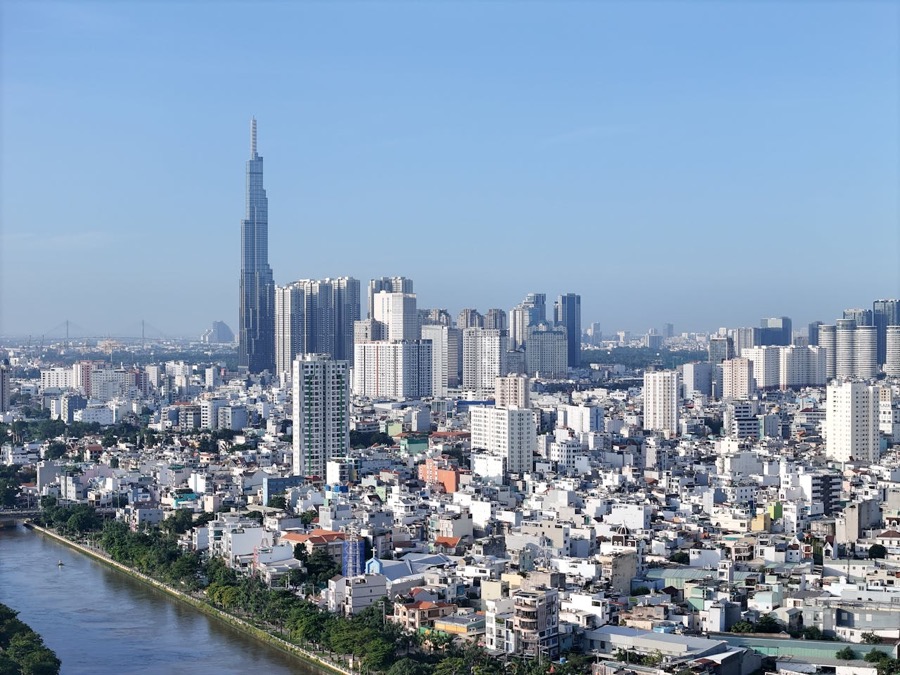
This guide provides a detailed overview of what it costs to live and operate as a foreign business owner in Vietnam, with a particular focus on Ho Chi Minh City (HCMC), the country’s economic hub.
To write this article, NomadOffshoreAcademy interviewed Mr. Guillaume Rondan, founder of MoveToAsia—one of Vietnam’s top-ranked sourcing agencies also providing market entry services for SMEs. As he was recently quoted in Vietnam’s VNExpress media on the perspectives of foreign business owners choosing Vietnam as a destination to start and grow their ventures, we selected him to share first-hand insights for this piece.
Key Takeaways
- Vietnam offers a competitive cost of living compared to most Western countries and even regional hubs like Singapore, Hong Kong, or Bangkok.
- Foreigners can establish 100% foreign-owned companies (LLCs) in many sectors, with relatively modest capital requirements.
- Monthly living expenses for an individual range from $1,200 to $2,500, depending on lifestyle and housing. Business owners should budget additional overhead for legal compliance, staff, and office space.
- Ho Chi Minh City provides a vibrant expat and business community, frequent networking events, and strong ecosystems for entrepreneurs.
- Understanding the realities of hiring, managing bureaucracy, and cultural nuances is essential for long-term success.
Factors Affecting the Cost of Living in Vietnam
The cost of living for a foreign business owner depends on several variables:
- Location: HCMC and Hanoi are pricier than secondary cities like Da Nang, Nha Trang, or Can Tho.
- Housing type: From local-style apartments to luxury condos with pools and gyms.
- Business sector: Manufacturing, sourcing, and exports have different overheads than consulting or IT services.
- Lifestyle choices: Dining out, private schools, imported goods, or domestic staff all influence budgets.
- Company structure: A local nominee company is cheaper than a fully foreign-owned LLC but comes with risks.
Accommodation Costs in Vietnam
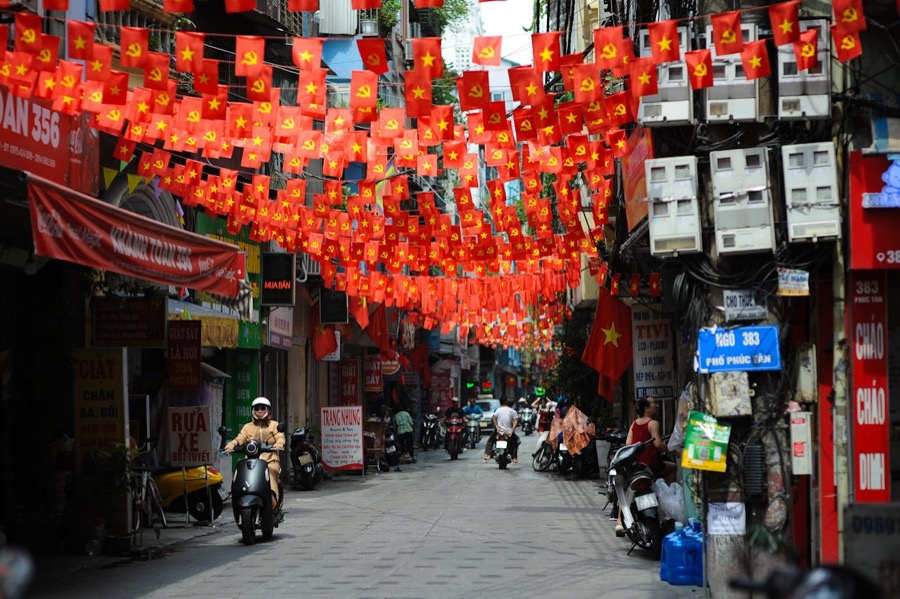
Housing is often the first expense that foreign business owners encounter, and it sets the tone for monthly budgets. Vietnam offers a wide spectrum of options, from modest local apartments to high-end serviced condos that rival anything in Singapore or Bangkok.
| Accommodation Type | Monthly Cost (USD) | Notes |
|---|---|---|
| Serviced apartment (1BR, central HCMC) | $500–900 | Fully furnished, utilities often included |
| Condo (modern, 2BR, District 2 or 7) | $800–1,500 | Popular with expat families |
| Local-style apartment (1–2BR) | $250–600 | Lower cost but fewer amenities |
| Luxury penthouse / villa | $2,000+ | High-end lifestyle with private pools or river views |
Tip: Most expats start with short-term rentals (serviced apartments or Airbnb) before signing a 6–12 month lease. Deposits usually equal one to two months’ rent.
Transportation
Motorbikes dominate Vietnam’s streets, though many foreigners prefer starting with ride-hailing apps like Grab before riding themselves.
- Motorbike rental: $50–70/month.
- Motorbike purchase: $400–1,200 for a decent used scooter.
- Grab rides: Short trips cost $1–3.
- Car ownership: Expensive and impractical due to traffic congestion.
- Metro (upcoming): HCMC’s first metro line is expected to open soon, which could lower commuting costs for some.
Food and Dining
Vietnam’s food scene offers everything from $2 street meals to high-end international dining.
- Street food (pho, banh mi, com tam): $1–3 per dish.
- Mid-range restaurants: $5–15 per meal.
- Western/expat dining: $15–30 per person.
- Imported groceries: 20–50% higher than local produce.
Many expat entrepreneurs strike a balance: eating local during the week and indulging in Western dining or international brunches on weekends.
Business Costs
Setting up a company is often the first step for foreign entrepreneurs. Vietnam allows 100% foreign ownership in many industries, though some restricted sectors require a local partner.
- LLC setup (foreign-owned): $2,000–5,000 including legal fees.
- Minimum charter capital: Depends on business activity, but $10,000–15,000 is common.
- Licenses & permits: Vary by sector; manufacturing requires additional environmental and safety certificates.
- Ongoing compliance: Annual audits, tax filings, and renewals may add $1,500–3,000 per year.
A Temporary Residence Card (TRC) can be obtained through company sponsorship, allowing foreigners to stay for 1–3 years without constant visa renewals.
Taxes and Residency
- Corporate tax: Standard 20%. Reduced rates or incentives apply in certain sectors (e.g., high-tech, export zones).
- Personal income tax: Progressive, 5–35% for residents. Foreigners staying over 183 days are tax residents.
- Value-added tax (VAT): 10% standard rate, with exemptions or reductions for specific industries.
Many entrepreneurs use local tax consultants to ensure compliance. Misunderstandings can be costly given Vietnam’s evolving regulatory framework.
Hiring and Building a Team
For business owners, staffing is not just an expense but an investment in long-term success. Vietnam’s young workforce is one of its greatest assets, offering both affordability and enthusiasm. Salaries are significantly lower than in Western countries, but building and retaining a good team requires more than just financial incentives.
- Entry-level office staff: $400–600/month.
- Skilled professionals (marketing, engineering): $800–1,500/month.
- Factory workers: $250–350/month (plus insurance and benefits).
- Domestic helpers: $200–300/month full-time.
While affordable, building a reliable team requires patience. Training, cultural adaptation, and clear contracts are essential. Retention can be challenging, as talented staff often move quickly for better opportunities.
Top Sectors for Foreign Entrepreneurs
Foreign business owners in Vietnam often focus on a few high-potential sectors:
Manufacturing and Exports
Electronics, textiles, footwear, furniture, and agricultural products remain Vietnam’s strongest industries. Free trade agreements (EVFTA, CPTPP, RCEP) give exporters access to major global markets with reduced tariffs.
Technology and IT Services
Vietnam has become a hub for software outsourcing and fintech startups. With competitive salaries for engineers and strong digital adoption, the sector continues to grow.
Consulting and Professional Services
Market entry consulting, sourcing, and supply chain management are in demand, especially as Western companies diversify away from China.
Food & Hospitality
Vietnam’s tourism rebound and growing middle class create demand for boutique hotels, F&B ventures, and lifestyle businesses.

Business Opportunities in HCMC
Ho Chi Minh City (HCMC) is widely regarded as the commercial heart of Vietnam, and for good reason. It is the country’s largest city, its financial center, and the place where most foreign entrepreneurs choose to establish their first ventures. For business owners, the city offers a unique blend of affordability, talent, and connectivity that is hard to replicate elsewhere in Asia.
One of the key attractions is the relative ease of setting up a company compared to many neighboring countries. In Vietnam, foreigners can own 100% of their business in most industries, without the need for a local partner. While the registration process still involves paperwork and compliance, the barriers to entry are much lower than in markets like Indonesia or Thailand. Combined with comparatively modest capital requirements, this makes Vietnam an appealing base for small and medium-sized enterprises that want a foothold in Asia without overextending themselves.
The city also offers a vibrant business ecosystem. Entrepreneurs who move to HCMC often remark on the sense of momentum: things happen quickly, ideas spread fast, and opportunities are abundant. Chambers of commerce such as EuroCham, AmCham, and AusCham host regular events that bring together foreign investors and Vietnamese executives.
Beyond formal networking, informal communities flourish in coworking spaces like Dreamplex, The Hive, and Toong, where business owners can exchange advice and meet like-minded peers over coffee. The environment is collaborative rather than cut-throat, which helps newcomers integrate faster.
Another major advantage is the strategic location of HCMC within Southeast Asia. The city is only a two-hour flight from Bangkok, Singapore, or Kuala Lumpur, and direct routes connect it to Europe, North America, and Australia. For companies involved in sourcing, exports, or logistics, this connectivity translates into real business advantages. With ports in both HCMC and nearby provinces, goods can be moved quickly across borders, and the city is well-positioned to capture trade flows as global companies diversify supply chains beyond China.
Finally, the energy of the city itself contributes to its appeal. HCMC is fast-paced, modernizing rapidly, and filled with young professionals eager to learn and collaborate. The population is highly entrepreneurial, and many Vietnamese are open to partnerships with foreigners who bring expertise, technology, or capital. For a foreign business owner, this means not only access to a growing market of consumers but also to potential local partners who can help scale operations.
Challenges Foreigners Will Face
Every country presents obstacles, and Vietnam is no exception. For foreign business owners, the first hurdle is often the language barrier. English is common among younger professionals and in large urban centers, but most factory managers, local suppliers, and government officials communicate more comfortably in Vietnamese.
Even small misunderstandings can delay negotiations or compliance processes. Many seasoned expats recommend hiring a bilingual assistant or interpreter from day one—it’s a cost-efficient decision that can save weeks of frustration.
Another recurring challenge is bureaucracy. While setting up a company is more straightforward than in some Asian countries, administrative processes remain time-consuming. Obtaining permits or certificates can take longer than expected, and procedures often vary between provinces. This inconsistency surprises many entrepreneurs used to standardized systems back home. Having a trusted lawyer or local consultant is essential to navigate these hurdles smoothly.
Cultural adaptation also shapes business outcomes. In Vietnam, building trust takes precedence over signing contracts. Meetings often begin with conversations about family, sports, or food before business is addressed. For those unfamiliar with this dynamic, it may seem like wasted time—but in reality, these moments establish rapport and credibility. Patience and genuine interest go a long way in forging strong partnerships.
What Else Should You Know Before Choosing Vietnam?
Everyday Life for Business Owners
Running a business is only one part of the story—living in Vietnam also offers unique advantages:
- Cost of living: $1,200–2,500/month for most foreign business owners.
- Social life: Rooftop bars, networking events, and active expat groups.
- Family considerations: International schools are available but costly ($10,000–25,000 per year).
- Healthcare: International hospitals in major cities, though health insurance with evacuation is recommended.
- Travel: Affordable domestic flights make weekend trips easy.
Internet, Offices, and Digital Nomad Potential
Vietnam’s internet infrastructure has improved dramatically.
- Home broadband: $10–20/month.
- Fiber-optic business plans: $30–100/month depending on speed.
- Coworking space membership: $150–250/month.
- Mobile data: $5–10/month with generous packages.
Connectivity supports both remote work and digital-first businesses, making Vietnam attractive for entrepreneurs who don’t require large offices.
Practical Considerations
- Water: Tap water is not drinkable; bottled water is the norm.
- Visas & residency: Business visas and TRCs are practical for long-term stays.
- Safety: Vietnam is generally safe, but petty theft and motorbike accidents are common.
- Domestic help: Affordable and widely used by expats with families.
- Cultural integration: Learning basic Vietnamese phrases makes daily life smoother.
Summary of Typical Monthly Costs – All Included (HCMC)
| Category | Budget Lifestyle | Mid-Range | High-End |
|---|---|---|---|
| Rent (1–2BR) | $400–600 | $800–1,500 | $2,000+ |
| Utilities & Internet | $50–100 | $120–200 | $250+ |
| Food | $200–400 | $500–800 | $1,200+ |
| Transport | $50–100 | $150–250 | $500+ |
| Healthcare Insurance | $100–200 | $250–400 | $600+ |
| Office/Coworking | $0–100 | $200–300 | $800+ |
| Staff (1–2 assistants) | $400–800 | $1,200+ | $2,000+ |
| Total | ~$1,200–1,500 | ~$2,000–2,500 | $4,000+ |
Conclusion
Vietnam is no longer just a low-cost outsourcing destination. For foreign business owners, it offers a rare combination of affordability, growth potential, and lifestyle advantages.
From housing and food to company setup and hiring, costs remain competitive compared to most regional alternatives. The tradeoff lies in navigating bureaucracy, cultural adaptation, and supply chain challenges.
As Guillaume Rondan puts it, expats who succeed here are those willing to balance ambition with patience:
“Vietnam rewards those who embrace its pace; fast in business, but slow in administration. If you understand both sides, you’ll find the cost of living here is not just affordable, but incredibly rewarding.”
For entrepreneurs seeking a base in Asia, Vietnam (and especially Ho Chi Minh City) remains one of the most compelling choices