Analyzing the Cost of Living in Romania – A Comprehensive Guide

Last Updated on 4 March 2025
Living expenses in Romania and the average cost of living are important factors to consider when planning a move to this European country.
Whether you are an expat or a digital nomad, understanding the cost of living is crucial for budgeting and financial planning.
When analyzing the cost of living in Romania, it becomes evident that the country offers a relatively affordable lifestyle.
From rent prices to transportation costs, Romania proves to be an attractive destination for those looking to stretch their budget without compromising on quality.
Key Takeaways:
- Rent prices in cities like Bucharest range from €250 to €800 per month, with utilities costing around €60 to €120 per month.
- Transportation costs are reasonable, with taxi fares ranging from 1.6 lei to 3.5 lei per km and public transportation passes costing less than $20 per month.
- Grocery prices in Romania are similar to the rest of Europe, with an average monthly food budget for a family of two averaging around €300.
- Eating out in Romania can vary in price, with a fancy restaurant meal for two costing between €50 and €100.
- Overall, Romania offers a good quality of life at a lower cost compared to many other European countries.
By considering these factors and understanding the cost of living in Romania, individuals can make informed decisions when planning their move and ensure that their budget aligns with their desired lifestyle.
Cost of Rent and Utilities in Romania
Rent in Romania, particularly in cities like Bucharest, is affordable. A one-bedroom apartment in the city center costs between €250 and €500 per month, while a three-bedroom can reach up to €800.
Utility costs, including electricity, heating, water, and garbage, range from €60 to €120 per month. Internet and mobile services are also budget-friendly, with internet packages costing €10 to €20 and mobile plans ranging from €5 to €15.
Overall, Romania offers affordable rent, utilities, and reliable communication services, making it an attractive option for expats.

| Apartment Type | Location | Average Monthly Rent (€) |
|---|---|---|
| 1-bedroom apartment | City center, Bucharest | 250-500 |
| 3-bedroom apartment | City center, Bucharest | 800 |
Transportation Costs in Romania
Getting around Romania is an important aspect of daily life, and understanding the cost of transportation is crucial for planning your budget.
Fortunately, transportation costs in Romania are relatively affordable, making it easier for both locals and tourists to explore the country.
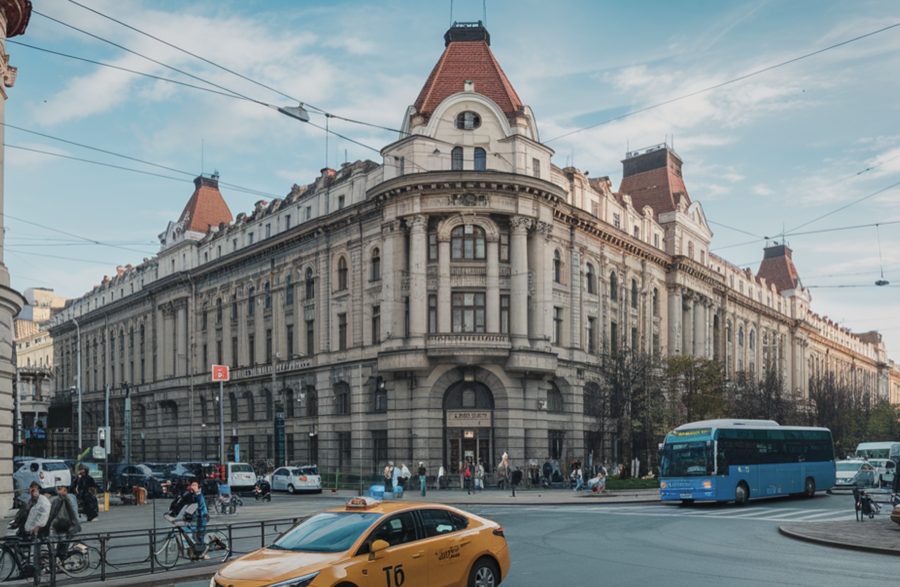
When it comes to public transportation, Romania offers a reliable and cost-effective network of buses, trams, and metro systems in major cities.
A monthly pass for public transportation can cost less than $20, providing unlimited access to various modes of transport.
This is a convenient and economical option for daily commuting or traveling within the city.
For shorter distances or quick trips, taxis are readily available in Romania.
Taxi fares typically range from 1.6 lei to 3.5 lei per kilometer, depending on the city and time of day.
It’s always a good idea to check the fare rates displayed on the taxi window or ask for an estimated cost before starting your journey.
This way, you can ensure transparency and avoid any surprises when it comes to payment.
Additionally, Romania offers a well-developed railway system, making it possible to travel between cities and explore different regions of the country.
Train tickets are affordable and can be purchased online or at the railway station.
The cost of train travel may vary depending on the distance and class of accommodation you choose.
In summary, the cost of transportation in Romania is relatively low compared to many other European countries.
Whether you prefer public transportation, taxis, or train travel, there are affordable options available to suit your needs and budget.
With reliable and cost-effective transportation options, getting around Romania becomes hassle-free, allowing you to explore the country’s natural beauty, historical sites, and vibrant cities without breaking the bank.
Local Cuisine and Dining Options
Romania’s culinary scene showcases a variety of traditional dishes rich in flavor and history.
Popular dishes include sarmale (cabbage rolls), mici (grilled sausages), and ciorba (sour soup).
Dining options range from casual eateries to upscale restaurants, with mid-range restaurants offering meals at €10 to €20 per person.
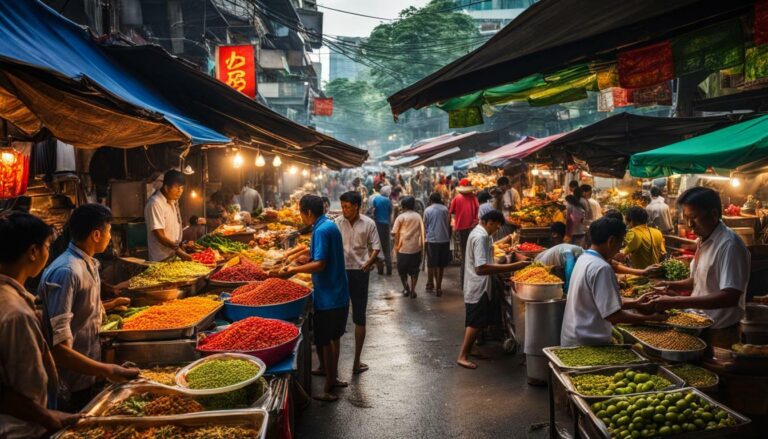
Street food is also a highlight, with local markets serving inexpensive yet delicious snacks.
These many options allow residents and visitors to enjoy Romania’s rich culinary heritage affordably.
Grocery Expenses in Romania
From daily essentials to weekly shopping trips, understanding the cost of groceries in Romania is essential for managing your finances.
On average, a family of two can expect to spend around €300 per month on groceries.
However, it’s important to note that prices may vary depending on your location and the type of store you choose to shop at.
In Romania, supermarkets like Carrefour, Mega Image, and Profi are popular choices for grocery shopping.
These stores offer a wide range of products, including both local and international brands.
Prices for basic food items such as bread, milk, eggs, and vegetables are relatively affordable compared to other European countries.
| Product | Average Price |
|---|---|
| Bread (500g) | €0.50 |
| Milk (1L) | €1.00 |
| Eggs (10-pack) | €2.00 |
| Chicken Breasts (1kg) | €4.50 |
| Potatoes (1kg) | €0.80 |
| Tomatoes (1kg) | €1.00 |
When it comes to shopping for groceries, it’s worth exploring local markets and smaller shops for fresh produce and traditional Romanian products.
These places often offer competitive prices and give you a chance to support local businesses.
Additionally, keep an eye out for weekly discounts and special offers to make the most of your budget.
Overall, Romania offers affordable grocery prices, allowing residents and expats to maintain a reasonable monthly food budget without compromising on quality.
By planning your meals and shopping smartly, you can enjoy a diverse range of products while keeping your expenses in check.

Summary
- The average monthly food budget for a family of two in Romania is approximately €300.
- Supermarkets like Carrefour, Mega Image, and Profi offer a variety of local and international products.
- Prices for basic food items such as bread, milk, eggs, and vegetables are relatively affordable.
- Exploring local markets and smaller shops can provide fresh produce and traditional Romanian products at competitive prices.
- Keep an eye out for weekly discounts and special offers to maximize your grocery budget.
| Product | Average Price |
|---|---|
| Bread (500g) | €0.50 |
| Milk (1L) | €1.00 |
| Eggs (10-pack) | €2.00 |
| Chicken Breasts (1kg) | €4.50 |
| Potatoes (1kg) | €0.80 |
| Tomatoes (1kg) | €1.00 |
Healthcare and Education Costs in Romania
Access to quality healthcare and education is crucial, and understanding the cost of these services in Romania is vital for expats and their families.
Fortunately, Romania offers affordable options for both healthcare and education, making it an attractive destination for those seeking high-quality services without breaking the bank.
Healthcare Costs
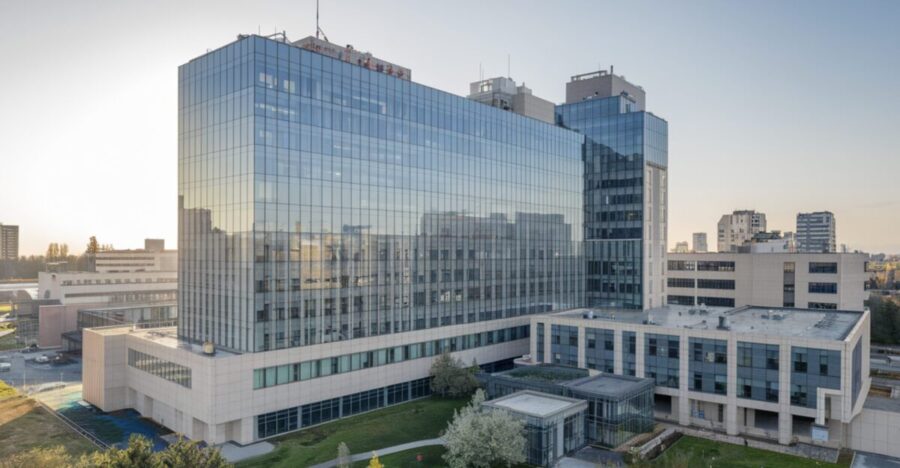
The public healthcare system offers universal coverage, funded through mandatory contributions from salaries and taxes.
This ensures that all residents have access to basic medical services.
Additionally, private healthcare facilities are available for those seeking specialized treatments or quicker access to medical care.
When it comes to the cost of healthcare services, Romania is known for its affordability.
The average cost of a doctor’s consultation is around €20, while a visit to a specialist can range from €30 to €50.
Prescription medication is also reasonably priced, with most common drugs costing significantly less than in other European countries.
Private healthcare services may come at a higher cost, but they provide additional conveniences and shorter waiting times.
Romanian public healthcare provides universal coverage, financed through mandatory salary deductions and taxes.
Residents have access to necessary medical services at hospitals and clinics throughout the country.
The average waiting time for non-emergency services is reasonable, though certain specialized treatments may require longer waits.
Public healthcare facilities offer comprehensive services, ensuring residents receive appropriate medical attention effectively.
Education Costs
Romania has a well-developed education system that offers a variety of choices for students of all ages.
From preschool to university, the country provides affordable options for quality education.
Preschool and primary education in Romania are largely free of charge in public schools.
However, some private institutions may charge tuition fees.
For secondary education, both public and private schools are available, with private schools generally having higher tuition costs.
Higher education in Romania is also relatively inexpensive compared to other European countries.
Public universities offer competitive tuition fees, with costs varying depending on the field and level of study.
Private universities generally have higher tuition fees but often provide specialized programs and smaller class sizes.
Romania features a structured education system, starting from preschool and continuing through higher education.
Public preschools and primary schools are free, providing foundational education to all children.
Secondary education includes both public and private institutions, with private schools often having higher fees due to additional resources.
Higher education offers a wide range of programs, with public universities providing quality education at competitive costs.
Summary
The healthcare system ensures universal coverage while providing access to both public and private services.
Education, from preschool to university, is accessible and reasonably priced, making it an attractive choice for students of all ages.
| Healthcare Costs | Education Costs |
|---|---|
| Doctor’s Consultation: €20 | Preschool: Mostly free in public schools |
| Specialist Visit: €30 to €50 | Primary Education: Mostly free in public schools |
| Prescription Medication: Affordable | Secondary Education: Public and private options |
| Private Healthcare: Higher cost but additional benefits | Higher Education: Competitive tuition fees |
*The above costs are approximate and may vary based on location and individual circumstances.
Safety and Security in Romania
Romania is generally considered a safe country, with relatively low crime rates compared to other European nations.
Petty crimes, like pickpocketing, may occur in crowded areas, so caution is advised in tourist spots.
Law enforcement is responsive, and urban centers have well-lit streets and active police patrols.
Residents and expats can feel secure living and traveling in Romania by staying informed and following common safety practices.
Recent Wage Changes in Romania
In 2024, significant adjustments were made to wages in Romania.
As of February 2024, the gross average monthly wage reached RON 8,871 (€1910), while the net average wage was RON 5,556 (€1180).
Additionally, from July 2024, the minimum gross wage increased to RON 3700 (approximately €745), a change that also benefits employees with more than 15 years of seniority.
These updates reflect ongoing economic developments and influence the overall cost of living, impacting expenses for both residents and expats.
Conclusion
Romania offers an affordable yet high-quality lifestyle, making it a top choice for expats. Rent in cities like Bucharest ranges from €250 to €800, with utilities costing €60 to €120 per month.
Transportation is also cost-effective, with taxi fares between 1.6 to 3.5 lei per km and public transport passes under $20. Grocery costs are affordable, and dining out can range from €50 to €100 for a fancy meal.
With affordable housing, healthcare, and education, Romania combines a low cost of living with a rich cultural experience, making it an appealing destination for expats.
Frequently Asked Questions
Is Romania an affordable country for expats and digital nomads?
Yes, Romania is relatively affordable for expats and digital nomads.
How much does rent cost in Romania?
Rent prices in Romania range from €250 to €800 per month.
What are the average utility costs in Romania?
Utilities in Romania usually cost around €60 to €120 per month.
How much does transportation cost in Romania?
Taxi fares in Romania range from 1.6 lei to 3.5 lei per km, and public transportation passes cost less than $20 per month.
How expensive are groceries in Romania?
Grocery prices in Romania are similar to the rest of Europe, with a monthly food budget for a family of two averaging around €300.
What is the average cost of eating out in Romania?
Eating out in Romania can vary in price, with a fancy restaurant meal for two costing between €50 and €100.
Is Romania a good place to live with a lower cost of living?
Yes, Romania offers a good quality of life at a lower cost compared to many other European countries.