Understanding the Cost of Living in Panama – Comprehensive Guide

Last Updated on 4 March 2025
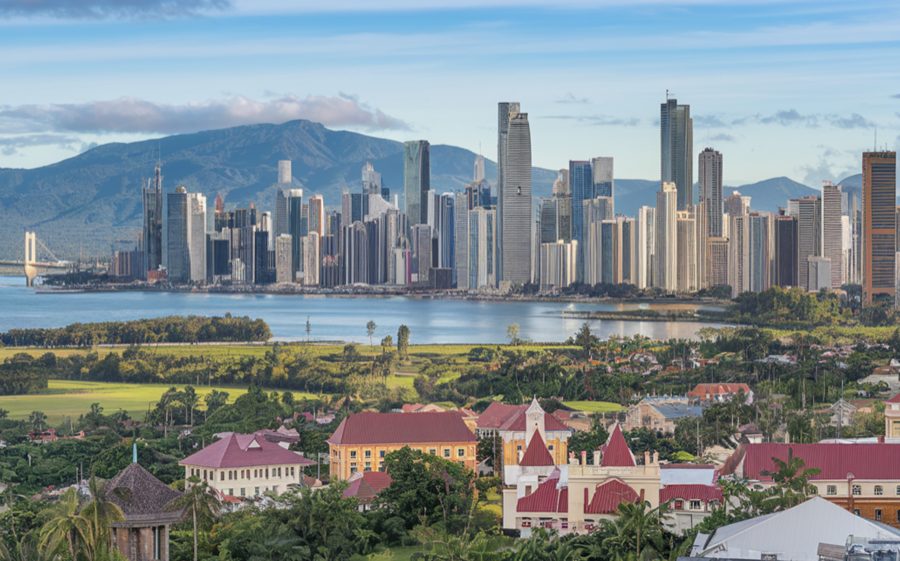
Panama, a gem nestled between two oceans, presents a unique allure for those contemplating a new chapter in life, be it retirement or relocation.
This guide delves into the essence of Panamanian living, offering a comprehensive insight into the cost of life in this vibrant nation.
Renowned for its affordability, Panama stands out with its lower living expenses, especially when compared to the US and Europe, encompassing various aspects like housing, food, transportation, healthcare, and education.
Key Takeaways:
- Understanding the cost of living in Panama is essential for those considering relocation or retirement in the country.
- Panama offers an affordable lifestyle with lower housing, food, and transportation costs compared to the US and Europe.
- Housing costs in Panama City vary depending on the neighborhood, with options for luxury apartments and more affordable rentals.
- Groceries are relatively inexpensive in Panama, especially when opting for local products.
- Transportation options in Panama include affordable buses and taxis, and many expats choose to own a car.
Cost of Housing in Panama
In Panama City, the heart of the nation, housing costs oscillate based on neighborhood choices, ranging from luxurious apartments to cost-effective rentals catering to diverse tastes and budgets.
Panama City offers a wide range of housing options, from luxury apartments in exclusive neighborhoods to more affordable rentals in the city center.
The cost of housing in Panama City varies depending on the neighborhood, with options ranging from luxury apartments to more affordable rentals.
| Neighborhood | Average Monthly Rent |
|---|---|
| Bella Vista | $1,200 – $2,000 |
| Obarrio | $1,500 – $2,500 |
| El Cangrejo | $800 – $1,500 |
Utilities in Panama, such as electricity and water, are reasonably priced.
The average monthly cost for utilities in a two-bedroom apartment is around $100. Monitoring usage and opting for energy-efficient appliances can keep costs down. Arranging for these practical savings ensures modest earnings stretch further, aligning well with the lower cost of living throughout Panama.
The utilities, encompassing necessities like electricity and water, are surprisingly affordable, while grocery shopping, particularly for local produce, won’t strain your wallet.
This includes electricity, water, garbage, and internet services.
Additionally, many rental properties in Panama City include building amenities such as gym access, a swimming pool, and 24-hour security at no extra cost.
Testimonial:
“I moved to Panama City three years ago and the cost of housing has been a pleasant surprise.
I found a one-bedroom apartment in a great neighborhood for only $900 a month.
The utilities are very affordable, and I love the amenities the building offers.
Overall, the cost of housing in Panama has allowed me to live comfortably on a moderate budget.”
Sarah, Expatriate in Panama
When it comes to housing outside of Panama City, the cost of living can be even more affordable.
Beach communities like Coronado offer luxury living options at higher prices, while more remote areas provide a lower cost of living.
For example, in the mountain town of Boquete, housing prices are significantly lower compared to Panama City, and the climate is cooler due to its elevation.
The cost of housing varies depending on the location and amenities, but overall, Panama offers a range of options to fit different budgets and preferences, making it an attractive destination for those seeking an affordable and comfortable lifestyle.
Banking and Currency Exchange in Panama
Panama uses the US dollar as its official currency, alongside the Panamanian balboa, which is used for coins. This dual-currency system simplifies financial transactions for expats from the United States since there’s no need for currency conversion.
Banks in Panama, including global names such as HSBC and Citibank, offer services tailored to expats. Opening an account generally requires two forms of ID and a local reference. Many banks also cater to foreigners by providing English-speaking staff.
Currency exchange services are widely available. It’s often most cost-effective to withdraw money directly from ATMs, which dispense US dollars.
This familiar currency framework is a boon for many who are used to dealing with the dollar.
Cost of Food in Panama
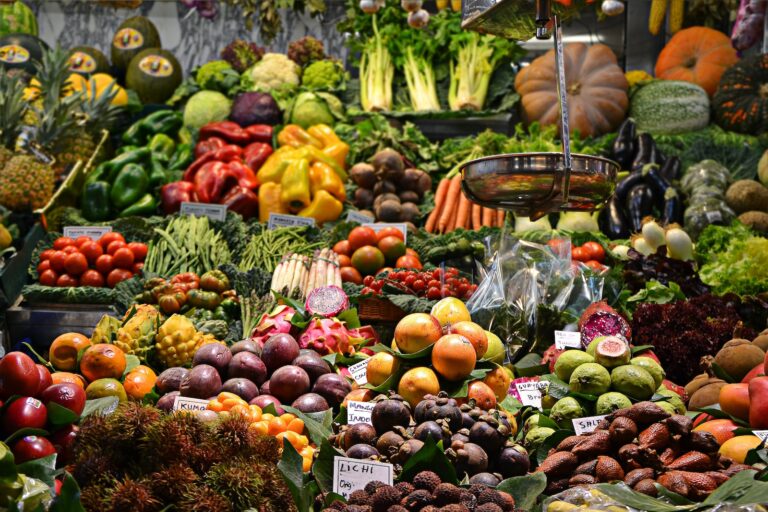
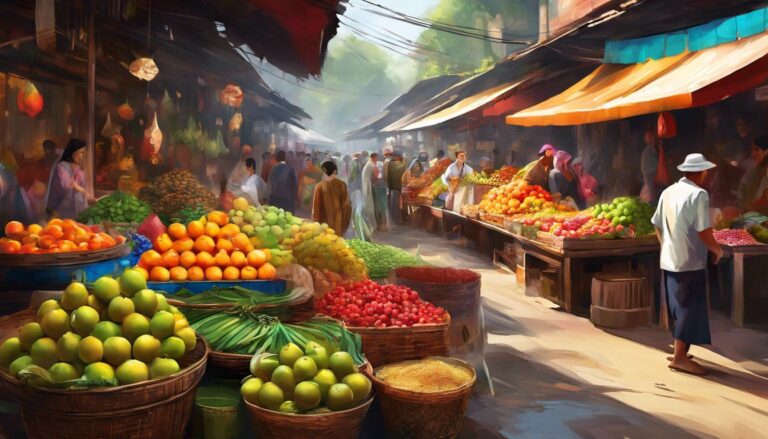
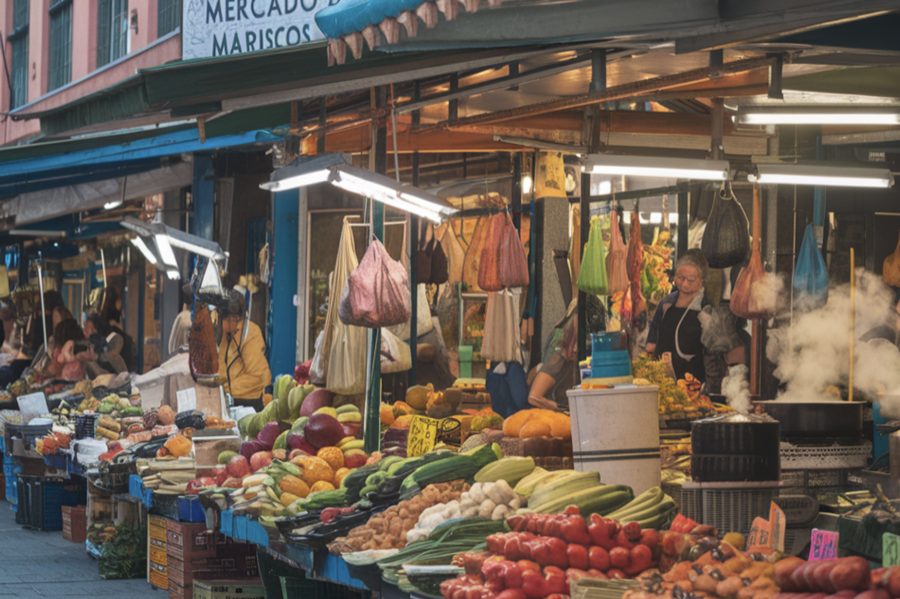
When shopping for groceries in Panama, you can save even more by opting for local products.
Locally grown fruits and vegetables are not only more affordable, but they also provide an opportunity to support local farmers.
You’ll find that these products are often more flavorful and nutritious compared to imported alternatives.
For those who enjoy dining out, Panama offers a range of options to suit different tastes and budgets.
From casual eateries and street food vendors to upscale restaurants, there is something for everyone.
Whether you’re in the mood for traditional Panamanian dishes or international cuisine, you’ll find that the cost of dining out in Panama is generally lower compared to other countries.
| Food Item | Average Price Range |
|---|---|
| Local Restaurant Meal | $4 – $10 |
| Groceries (weekly) | $30 – $50 |
| Cup of Coffee | $1 – $1.50 |
| Imported Beer | $2 – $3 |
Overall, the cost of food in Panama is one of the many advantages of living in this beautiful country.
Whether you choose to cook at home or explore the local culinary scene, you can enjoy delicious meals without putting a strain on your budget.
Cost of Healthcare in Panama
The healthcare system in Panama is a highlight, offering affordable yet comprehensive services, including private health insurance options.
Fortunately, healthcare costs in the country are relatively affordable, making it an attractive option for expats and retirees.
Private health insurance in Panama provides comprehensive coverage, ensuring individuals have access to high-quality medical services.
Panama is known for its modern and well-equipped hospitals and clinics, which offer a wide range of medical specialties.
These healthcare facilities are staffed with highly skilled doctors and medical professionals, providing quality care to patients.
Whether it’s routine check-ups, specialized treatments, or emergency situations, the healthcare system in Panama is equipped to handle various medical needs.
Healthcare costs in Panama are affordable, and private health insurance provides comprehensive coverage.
For example, a doctor’s consultation in Panama can cost as little as $20, while a visit to the emergency room may range from $100 to $300.
Medications are also more affordable, with many common prescription drugs available at lower prices.
“The cost of healthcare in Panama is significantly lower compared to the United States and other developed countries.”
It’s important to note that public healthcare in Panama is available to citizens and legal residents.
However, many expats and retirees opt for private health insurance to ensure access to a wider network of healthcare providers and facilities, as well as faster service.
Private health insurance plans in Panama are customizable, allowing individuals to choose coverage options that suit their specific needs and budget.
Table: Average Healthcare Costs in Panama
| Medical Service | Average Cost |
|---|---|
| Doctor’s consultation | $20 – $50 |
| Emergency room visit | $100 – $300 |
| Dental cleaning | $40 – $80 |
| Prescription medication | Varies |
Moreover, the cost of living isn’t uniform across the country.
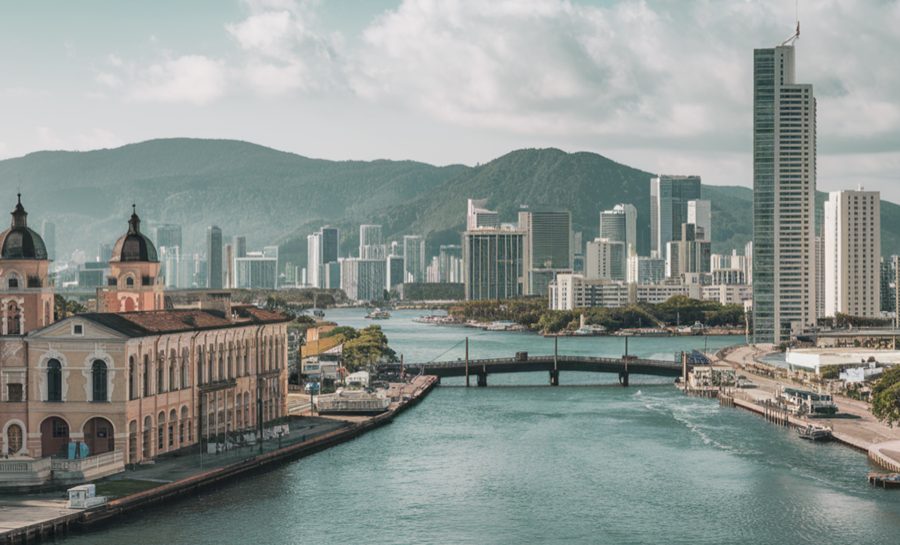
Panama City, with its modern amenities and superior medical facilities, stands on the higher end of the spectrum.
With affordable medical services and comprehensive private health insurance coverage, individuals can enjoy peace of mind knowing they have access to quality healthcare without financial strain.
Cost of Transportation in Panama
Transportation in Panama is a blend of economical and convenient options, with buses and taxis being popular among the residents.
Many expatriates also prefer the independence of owning a car.
Fortunately, transportation options in Panama are affordable and convenient.
Transportation options include buses and taxis, which are affordable, and many expats choose to own a car.
Buses are widely available and can take you to various destinations within the country.
The fares are inexpensive, making it an ideal choice for budget-conscious individuals.
Additionally, taxis are readily available in urban areas like Panama City, and while they may be slightly more expensive than buses, they offer a convenient way to navigate the city.
Many expats and residents in Panama also choose to own a car, as it provides flexibility and convenience.
However, it’s important to note that owning a car comes with additional expenses, such as fuel, maintenance, and insurance.
These costs should be factored into your overall transportation budget.
| Transportation Option | Cost Range |
|---|---|
| Bus | Inexpensive |
| Taxi | Affordable |
| Car Ownership | Additional expenses (fuel, maintenance, insurance) |
Whether you choose to utilize public transportation or own a car, it’s worth noting that Panama’s infrastructure is well-maintained and allows for easy navigation throughout the country.
This accessibility makes it convenient for both daily commuting and exploring the various attractions and destinations that Panama has to offer.
“The affordability and convenience of transportation in Panama make it easy for residents and expats to get around the country without breaking the bank.”
With the cost of transportation being relatively low in Panama, individuals can allocate their budget towards other essential expenses, such as housing, healthcare, and education.
It’s important to consider your personal transportation needs and preferences when calculating your overall cost of living in Panama.
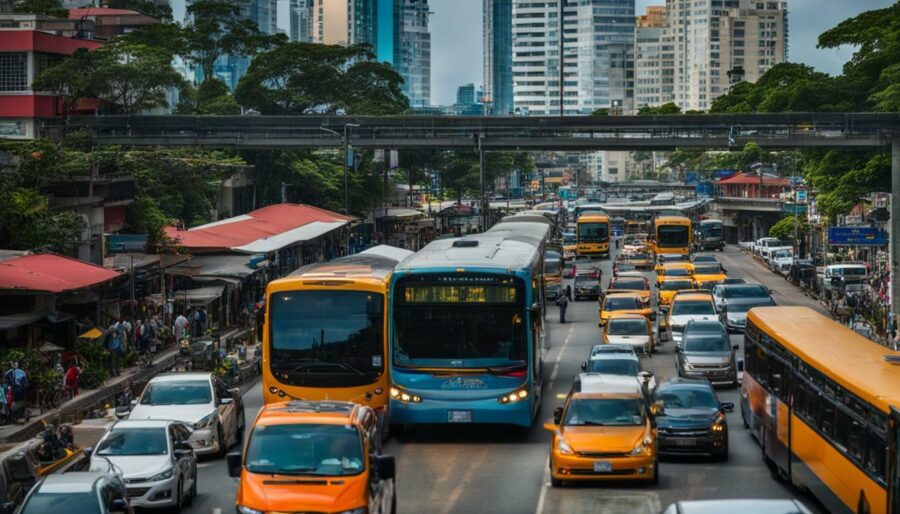
Cost of Transportation in Panama: A Summary
- Public transportation options like buses and taxis are affordable and widely available in Panama.
- Owning a car in Panama provides convenience but comes with additional expenses such as fuel, maintenance, and insurance.
- The transportation infrastructure in Panama is well-maintained, allowing for easy navigation throughout the country.
- Budgeting for transportation costs is essential when considering the overall cost of living in Panama.
As you plan your move or retirement to Panama, understanding the cost of transportation and factoring it into your budget will help you make informed decisions and ensure a smooth transition to your new lifestyle in this beautiful country.
Employment Opportunities and Salaries
The job market for expats in Panama presents opportunities in sectors such as tourism, real estate, and education.
English-speaking expats often find roles in the hospitality industry, capitalizing on the growing number of tourists. Teaching English is another common profession for foreigners, with positions available in both local and international schools.
On average, salaries in these sectors range from $800 to $2,000 per month. While this might seem modest compared to US standards, the lower living costs in Panama ensure these incomes are more than sufficient to maintain a comfortable lifestyle.

Expat Communities and Support Networks
Panama hosts lively expat communities dispersed across both urban and rural areas. In Panama City, groups often convene at events organized through social clubs or online platforms such as Meetup.
These gatherings provide a support network for newcomers, offering insights on navigating local customs, language barriers, and living arrangements. Smaller towns like Boquete or Coronado have tight-knit expat communities where it’s easy for new arrivals to forge connections.
These networks can simplify the transition to life in Panama, making everyday challenges more manageable through shared experiences.
Cost of Education in Panama
Education, a crucial aspect for families, varies in cost, presenting a spectrum of choices from local schools to international institutions.
Panama offers a range of educational options, including public, private, and international schools.
While public schools are free for Panamanian citizens, expat families often opt for private or international schools to ensure a high-quality education.
The cost of education in Panama varies depending on factors such as the school’s reputation, location, and curriculum.
Private schools in Panama City, for example, tend to have higher fees compared to schools in smaller towns.
On average, tuition fees can range from $1,500 to $20,000 per year, depending on the grade level and school facilities.
Expats in Panama often choose international schools to provide their children with a familiar curriculum and a diverse learning environment.
These schools typically offer a range of extracurricular activities and smaller class sizes. However, they may come with a higher price tag compared to local private schools.
| School Type | Average Annual Tuition |
|---|---|
| Public School | Free for Panamanian citizens |
| Private School | $1,500–$10,000 per year |
| International School | $10,000–$20,000 per year |
When choosing a school in Panama, it’s essential to consider factors beyond just cost, such as the curriculum, language of instruction, extracurricular activities, and the school’s overall reputation.
Researching and visiting multiple schools will help families make an informed decision that aligns with their educational goals and budget.
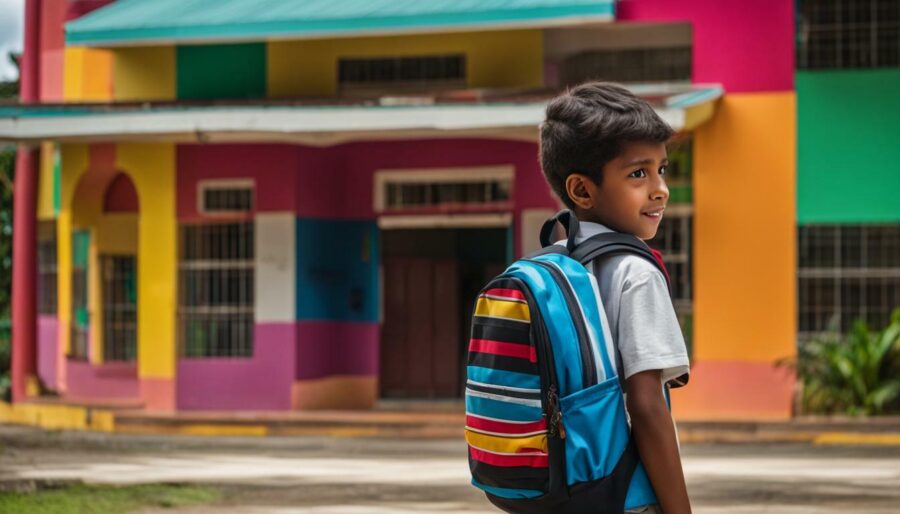
Cost of Living in Panama City vs. Beaches and Mountain Towns
The cost of living in Panama can vary significantly depending on the location you choose, with Panama City being the most expensive option.
Despite the higher cost, many choose to live in Panama City due to its modern amenities and easy access to medical care.
However, if you’re looking for a more budget-friendly option, there are beach and mountain towns in Panama that offer a lower cost of living.
Beach communities like Coronado offer luxury living at a higher price compared to Panama City.
With stunning ocean views and upscale amenities, it’s no wonder that some expats choose to settle in these coastal areas.
The cost of housing in beach towns can be higher, but they offer a relaxed lifestyle and proximity to beautiful beaches.
If you’re seeking a more tranquil and cooler climate, mountain towns like Boquete might be the perfect fit.
Boquete is known for its picturesque landscapes, coffee plantations, and outdoor activities.
The cost of living in mountain towns is generally lower, with cheaper housing options and a slower pace of life.
Choosing between Panama City, beach towns, or mountain towns ultimately depends on your lifestyle preferences and budget.
While Panama City offers a bustling metropolitan lifestyle, beach and mountain towns provide a more laid-back and scenic environment.
Consider your priorities and evaluate the cost of living in each location before making a decision.
| Location | Cost of Living | Housing | Climate |
|---|---|---|---|
| Panama City | High | Variety of options | Tropical |
| Beach towns | Medium to high | Luxury options | Tropical |
| Mountain towns | Low to medium | Affordable housing | Cooler |
Panama’s lifestyle isn’t just about savings; it’s about enjoyment too. The entertainment scene, featuring dining and various events, is vibrant yet reasonably priced.
With lower housing, food, transportation, and healthcare costs, you’ll have the opportunity to enjoy a comfortable lifestyle without breaking the bank.
Panama offers an affordable lifestyle compared to the US and Europe, with lower housing, food, and transportation costs.
In essence, Panama is a land of contrasts and options, offering a lifestyle that can be tailored to fit different preferences and budgets, making it an ideal destination for those seeking an affordable, quality life amidst natural beauty and cultural richness.
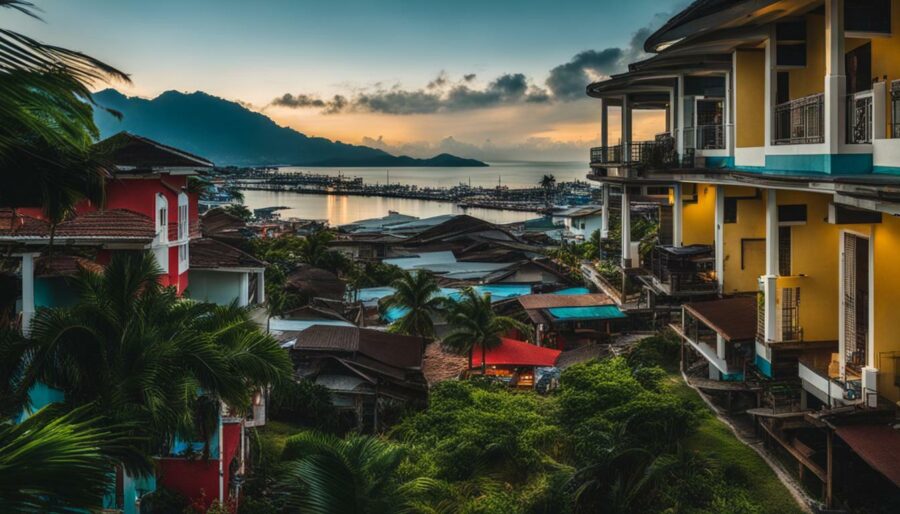
Climate and Lifestyle Considerations
Panama’s tropical climate, with temperatures averaging between 75°F and 90°F, encourages an outdoor lifestyle. Popular activities include hiking, surfing, and bird watching, with national parks and beaches accessible throughout the country.
Air conditioning is common, particularly in Panama City and other coastal areas, which impacts utility bills. The rainy season, typically from May to November, brings increased humidity and occasional flooding, though it’s a key factor for the country’s lush landscapes.
This climate contributes significantly to the cost-effective, yet comfortable lifestyle expats enjoy.
Safety and Security in Panama
Safety in Panama is generally good, with lower crime rates compared to other Central American countries. Urban areas like Panama City might experience petty crime, such as pickpocketing, but violent crime is rare.
Rural areas and smaller towns are typically safer, with close-knit communities fostering a sense of security. Expats often find these areas appealing due to their laid-back lifestyle and lower crime levels.
It’s advisable to remain vigilant in crowded places, as one would in any city. Panama’s stable economy and welcoming society provide a safe environment for residents.
Conclusion
In conclusion, Panama offers an affordable lifestyle with lower housing, food, and transportation costs compared to the US and Europe. Utilities are reasonably priced, and local groceries make eating well budget-friendly.
Public transportation is cheap, and healthcare costs are significantly lower, with comprehensive private insurance available. Entertainment and dining are also affordable, supporting an active social life.
Education costs vary, offering options from $1,500 to $20,000 per year. Whether you prefer city life or a coastal retreat, Panama combines affordability with a high quality of life.
Frequently Asked Questions
What is the cost of housing in Panama?
The cost of housing in Panama City varies depending on the neighborhood, with options ranging from luxury apartments to more affordable rentals.
How much does food cost in Panama?
Groceries are relatively inexpensive in Panama, especially when opting for local products. Dining out and entertainment options also come at a reasonable cost.
Are healthcare costs affordable in Panama?
Yes, healthcare costs in Panama are affordable, and private health insurance provides comprehensive coverage.
What is the cost of transportation in Panama?
Transportation options in Panama include buses and taxis, which are affordable. Many expats choose to own a car as well.
How much does education cost in Panama?
Education costs in Panama vary depending on the school but can range from $1,500 to $20,000 per year.
Is the cost of living in Panama City higher compared to beach and mountain towns?
Yes, the cost of living in Panama City is higher compared to beach and mountain towns. However, Panama City offers modern amenities and easy access to medical care. Beach communities like Coronado offer luxury living at a higher price, while more remote areas provide a lower cost of living. Mountain towns like Boquete offer some of the lowest costs of living in Panama, with cheaper housing options and a cooler climate.