Understanding the Cost of Living in Bali: An Expatriate Guide


Last Updated on 7 January 2025
If you’re considering a move to Bali, it’s crucial to have a comprehensive understanding of the cost of living on this beautiful Indonesian island.
Bali offers a mix of lifestyles for expats, with varying costs of living depending on the location.
It’s important to factor in expenses such as rent, transportation, food, activities, and miscellaneous costs to get a clear picture of the overall living expenses in Bali.
Key Takeaways:
- Like everywhere else, the cost of living in Bali depends on your lifestyle. It is very easy to live on a budget, but you can also spend decent amounts of money if you live a “western lifestyle”.
- Expenses in Bali include rent, transportation, food, activities, and miscellaneous costs.
- The cost of living in Bali ranges from $750 to $2,600 per month for a single person.
- Bali offers various accommodation options and a mix of lifestyles for expats.
- Bali provides a high quality of life with beautiful scenery and a tight-knit community.
Factors Affecting the Cost of Living in Bali
The cost of living in Bali can vary significantly depending on several factors that expatriates should consider before deciding on their budget.
One of the main factors that affects the cost of living in Bali is the location.
Different areas in Bali have different living expenses, with popular tourist areas like Canggu, Seminyak, and Ubud generally being more expensive compared to less touristy areas.
Another significant factor is accommodation costs.
Rent prices can range from affordable to luxurious, depending on the type of property and its location.
For example, a one-bedroom villa in a popular expat area like Canggu can cost around $600 to $1,200 per month, while a similar property in a less touristy area may only cost around $300 to $600 per month.
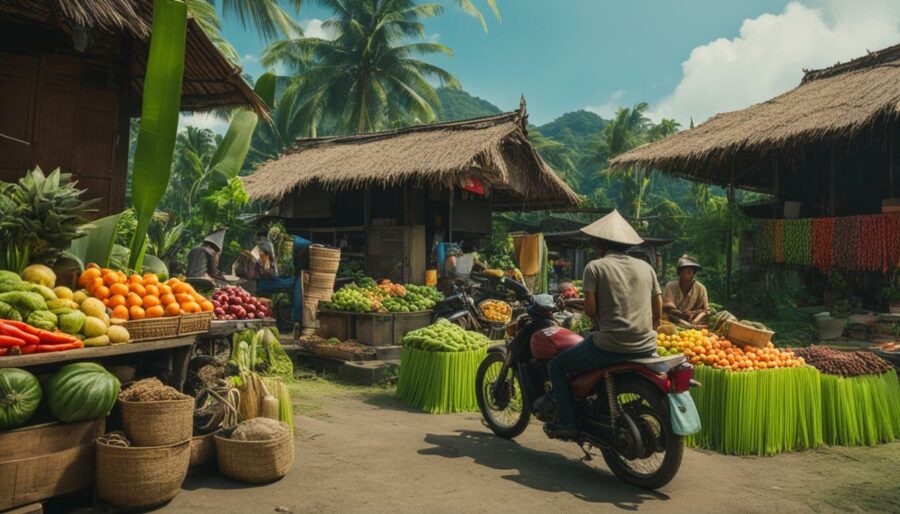
Transportation costs also contribute to the overall cost of living in Bali.
While public transportation options are limited, motorbikes are a popular mode of transport for both locals and expatriates.
Renting or purchasing a motorbike can be relatively inexpensive, with monthly rental prices ranging from $50 to $100.
Food expenses in Bali can vary depending on personal preferences and dining choices.
While local warungs (small restaurants) and street food offer affordable options, dining at Western restaurants and trendy cafes can be more expensive.
As an estimate, a monthly food budget for a single person can range from $200 to $400, depending on eating habits.
A dish at a local warung runs about 20,000 IDR ($1.40 USD). Mid-range restaurants charge around 90,000 IDR ($6 USD) per dish. High-end restaurants can cost up to 600,000 IDR ($42 USD) per dish. Most restaurants add 10-21% tax to the menu prices. Choosing cheaper local eateries helps lower food costs.
Factors Affecting the Cost of Living in Bali:
| Factor | Impact on Cost of Living |
|---|---|
| Location | Different areas have varying living expenses. |
| Accommodation | Rent prices can range from affordable to luxurious. |
| Transportation | Motorbike rentals contribute to transportation costs. |
| Food | Options range from affordable local eateries to more expensive Western restaurants. |
Accommodation Options and Quality of Life in Bali
Bali provides a diverse range of accommodation options, from traditional villas to modern apartments, catering to different preferences and budgets, thus enhancing the overall quality of life on the island.
Whether you are looking for a luxurious beachfront villa or a cozy apartment nestled in the lush greenery, Bali has it all.
The island’s distinctive architecture, which draws inspiration from both modern and Balinese traditions, offers a truly unique way of life.
For those seeking a taste of traditional Balinese living, renting a villa is a popular choice.
These spacious homes often feature open-air living areas, private gardens, and beautiful Balinese decor.
With a villa, you can enjoy the tranquility and privacy that Bali has to offer. On the other hand, if you prefer a more contemporary lifestyle, modern apartments and condominiums are widely available in popular areas such as Seminyak and Canggu. These apartments come with a range of amenities, including swimming pools, gyms, and 24-hour security.
Bali’s cost of living is relatively affordable compared to many Western countries, allowing residents to enjoy a high quality of life without breaking the bank.
With a lower cost of housing compared to major cities around the world, expatriates can allocate their budget towards other aspects of life, such as dining out at the island’s many restaurants, exploring its vibrant arts and culture scene, or indulging in wellness activities like yoga and spa treatments.

Average Monthly Housing Costs in Bali
| Accommodation Type | Average Monthly Cost |
|---|---|
| Luxury Villa | Up to a few thousand a day for the best ones! |
| Traditional Villa | $800 – $2,500 |
| Modern Apartment | $500 – $1,500 |
| Shared House | $300 – $800 |
As shown in the table above, the average monthly housing costs in Bali vary depending on the type of accommodation.
Traditional villas tend to be more expensive, especially those located in popular tourist areas, while modern apartments and shared houses offer more affordable options.
It’s important to note that these prices are approximate and can vary based on location, size, and amenities.
Bali’s accommodation options, coupled with the island’s natural beauty and vibrant culture, contribute to its reputation as a desirable destination for expatriates.
Whether you choose to live near the beaches of Jimbaran, the bustling streets of Ubud, or the trendy neighborhoods of Seminyak and Canggu, you’ll find a place to call home in Bali that suits your lifestyle and budget.
Internet Infrastructure and Digital Nomad Potential in Bali
Bali has witnessed improvements in its internet infrastructure, making it a viable option for remote workers and digital nomads who can enjoy affordable living without compromising on their connectivity requirements.
With a range of co-working spaces and cafes offering reliable internet access, expatriates can work remotely from the comfort of their chosen location on the island.
While the internet infrastructure in Bali has improved, it is important to note that it still lags behind some other popular digital nomad destinations. Speeds may vary depending on the location and time of day, with urban areas generally offering faster connections compared to rural areas.
However, with the right internet service provider and a backup plan in place, remote workers can maintain a stable and productive connection in Bali.
The combination of a more reliable internet infrastructure and affordable living makes Bali an attractive destination for digital nomads seeking a tropical paradise to work and live in.
As the demand for remote work grows, Bali continues to develop its infrastructure to cater to the needs of this growing community, with an increasing number of co-working spaces and networking opportunities available.
| Advantages | Disadvantages |
|---|---|
| Improving internet infrastructure | Internet speeds may vary |
| Affordable living costs | Lower living standards in rural areas |
| A range of co-working spaces | Occasional power outages |
| Networking opportunities | Language barrier for some expats |
Here is a rundown of the main costs involved:
- Mobile data packages are affordable—around $10 USD per month for 8GB of data from providers like Telkomsel, Indosat Ooredoo, and XL.
- Many hotels, villas, cafes, and restaurants offer free WiFi for customers.
- Coworking spaces cost around $10 USD per day and provide fast, reliable internet connections. Popular options are Dojo Bali, Outpost, and Hubud.
- Long-term internet provider packages start at around $14 USD per month from companies like Indihome and GlobalXtreme.
- Higher-speed fiberoptic packages are available from providers like BaliFiber and Bali MTM for businesses and digital nomads. Speeds up to 250 Mbps.
- Using a VPN like NordVPN is recommended to access blocked websites and content.
- Internet speeds and reliability have improved across Bali but are still best in areas like Ubud and Canggu that cater to digital nomads.
- Streaming video is possible in most parts of Bali, depending on your connection speeds. The minimum speed for streaming Netflix in 4K is 25 Mbps.
- Pro-tip: when possible, favor an Ethernet connection over wifi, as wifi pollution is a big issue in Bali!

Expat Scene in Bali
Bali attracts a diverse expat community, comprising both short-term visitors and long-term residents, with considerations such as the local salary playing a significant role in their decision-making process.
Many expats are drawn to Bali for its affordable cost of living, stunning landscapes, and vibrant cultural scene. However, it’s important to note that the local salary in Bali is relatively low compared to Western countries, which can impact the financial aspect of living on the island.
Expatriates in Bali often find employment opportunities in industries such as hospitality, tourism, teaching, and digital nomadism.
While salaries may vary depending on the sector and job position, it’s crucial to research and negotiate fair wages to sustain a comfortable lifestyle in Bali.
Despite the lower salaries, the island’s charm and distinctive way of life frequently make up for the financial sacrifices.
Whether you’re seeking a bustling social scene or a tranquil retreat, Bali offers something for everyone.
The island caters to expats from various backgrounds and interests, fostering a sense of community and camaraderie among its residents.
This multicultural environment provides opportunities for networking, making friends, and immersing oneself in the local culture.
| Key Considerations for Expat Scene and Salary in Bali |
|---|
| 1. Local Salary: Research and negotiate fair wages to sustain a comfortable lifestyle in Bali. |
| 2. Employment Opportunities: Explore industries such as hospitality, tourism, teaching, and remote work options. |
| 3. Cultural Diversity: Bali’s expat scene offers a mix of backgrounds, fostering a sense of community and friendship. |
| 4. Social Interactions: Engage in networking events, join clubs or groups, and participate in local activities. |
While the local salary in Bali may be relatively low, the island’s natural beauty, spiritual allure, and welcoming community make it an attractive destination for many expats.
The decision to move to Bali should consider not only financial considerations but also the potential for personal growth, adventure, and a rich cultural experience.

Practical Considerations and Safety in Bali
While Bali offers a high quality of life, it’s essential to consider practical factors such as tap water safety, pet friendliness, healthcare infrastructure, and general safety measures to ensure a smooth living experience.
The tap water in Bali is not suitable for drinking, and it’s advisable to rely on bottled water for consumption and cooking purposes.
This consideration is crucial to avoid potential health issues caused by contaminated tap water.
When it comes to pet friendliness, Bali is a mixed bag.
While many expats enjoy the company of their furry friends on the island, it’s important to research pet regulations and the availability of pet-friendly accommodations.
Certain areas and properties may have restrictions on pet ownership, so it’s advisable to plan ahead and make the necessary arrangements to ensure a comfortable stay for both you and your pet.
Healthcare
The healthcare infrastructure in Bali, although improving, may not match the standards of some Western countries.
It’s recommended to have comprehensive health insurance coverage to mitigate any unexpected medical expenses.
In cases where specialized medical treatments are required, it may be necessary to consider traveling to nearby countries like Singapore or Australia for more advanced healthcare services.
General safety
Regarding general safety, Bali is generally considered safe for tourists and expatriates.
However, it’s important to exercise caution and take the necessary precautions to prevent potential incidents.
Motorbike accidents are common in Bali, so if you plan on using a motorbike, ensure that you have the proper license, wear a helmet, and follow traffic rules.
Additionally, expat villas can be targets for burglaries, so it’s advisable to secure your property and take appropriate security measures.

Summary:
- Tap water in Bali is not drinkable, and it’s recommended to rely on bottled water.
- Research pet regulations and pet-friendly accommodations before bringing your furry friend to Bali.
- Have comprehensive health insurance and consider nearby countries for advanced medical treatments.
- Exercise caution when using motorbikes and secure your property to minimize the risk of accidents and burglaries.
| Practical Considerations in Bali | Safety Measures |
|---|---|
| Tap water safety | Use bottled water for consumption and cooking. |
| Pet friendliness | Research regulations and accommodations for pets. |
| Healthcare infrastructure | Have comprehensive health insurance and consider advanced medical treatments in neighboring countries. |
| General safety | Exercise caution when using motorbikes and ensure property security. |
Conclusion
Bali offers expats an idyllic lifestyle at an affordable cost, making it an increasingly popular destination.
However, understanding the expenses is key to planning a smooth move. The cost of living ranges from $750-$2600 per month, depending on lifestyle and location.
While Bali lags behind in infrastructure, improvements make it viable for digital nomads.
The expat scene is diverse and welcoming, although salaries are lower than in Western countries. Practical considerations around water, healthcare, and safety are essential.
With its natural beauty, vibrant culture, and tight-knit community, Bali offers an unmatched quality of life. Traditional villas and modern apartments suit different budgets.
By researching costs, securing proper visas, and taking safety precautions, expats can make the most of island life in paradise.
The decision to move requires weighing financial factors against personal growth and cultural immersion.
While salaries may be lower, Bali’s charm encourages simplifying life and focusing on what matters.
For those seeking adventure and an exotic yet affordable home, Bali remains a dream destination.
Frequently Asked Questions
What is the cost of living in Bali?
The cost of living in Bali ranges from $750 to $2,600 per month for a single person, with lower costs for families and couples who share rental expenses.
What expenses are included in the monthly costs of living in Bali?
Monthly expenses in Bali include rent, transportation, food, activities, and miscellaneous expenses.
Is Bali a suitable destination for remote workers and digital nomads?
While the internet infrastructure in Bali has improved, it still lags behind some other popular destinations. However, Bali is becoming more viable for remote workers and digital nomads.
What is the expat scene like in Bali?
The expat scene in Bali is diverse, with a mix of short-term and full-time expats.
Are there any safety concerns in Bali?
Bali is generally considered safe, but motorbike accidents and burglaries of expat villas can occur.
What accommodation options are available in Bali?
Bali offers a mix of traditional and modern accommodation options for expatriates.
What is the quality of life like in Bali?
Bali offers a high quality of life, with a range of activities, beautiful scenery, and a tight-knit community.