Cost Of Living In Thailand: A Comprehensive Guide To Expenses And Budgeting

Last Updated on 5 January 2025
Planning to move overseas can be daunting, especially when it comes to financial aspects.
Did you know that the cost of living in Thailand is estimated to be 51.6% lower than in the United States?
This article will help you navigate how much you might spend on food, rent, and other daily expenses while enjoying life in this vibrant country.
Ready for an adventure with your finances as captivating as Thailand itself? Read on!
Key Takeaways
- The cost of living in Thailand is estimated to be 51.6% lower than in the United States.
- Living expenses vary by city, with Chiang Mai being more budget – friendly compared to Bangkok.
- Thailand offers a range of affordable housing options, including condominiums, apartments, houses, and villas.
- Daily expenses such as food, transportation, healthcare, and entertainment are generally more affordable in Thailand compared to Western countries.
The Cost of Living in Thailand
Living expenses in Thailand vary depending on the city, with Bangkok being the most expensive and smaller cities offering a more affordable lifestyle.
Living expenses by city
Here’s a quick breakdown of the cost of living in two popular Thai cities, Chiang Mai and Bangkok.
| Chiang Mai | Bangkok | |
|---|---|---|
| Rent for 1-bedroom apartment in city center | 14,000 baht ($425) | 15,000 baht ($455) |
| Rent for 3-bedroom apartment in city center | Not stated | 30,000 baht ($910) |
| Utility costs | 2,000 baht ($61) | 3,000 baht ($91) |
| Cost of street food | 40 baht ($1) | 40 baht ($1) |
In general, living expenses in Thailand are 51.6% lower than in the United States, with Chiang Mai being more budget-friendly compared to Bangkok.
However, both cities offer a range of amenities and conveniences that make them appealing for expats and digital nomads.
Benefits of living in Thailand
Living in Thailand offers a range of advantages to expats and digital nomads, the first being affordability.
With an estimated cost of living about 51.6% lower than that of the United States, your wallet breathes easier here.
Lower rent costs, averaging about 74.9% less than those in the U.S., also contribute significantly towards reduced living expenses.
Not only does Thailand boast easy-on-the-pocket expenses, but it also provides diverse and rich experiences to its residents.
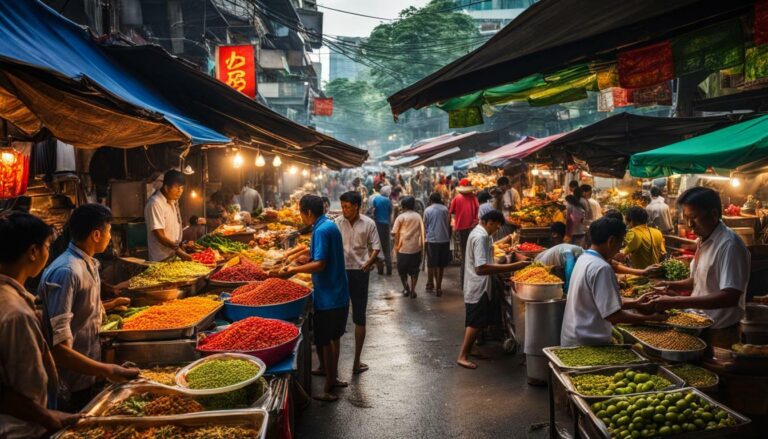
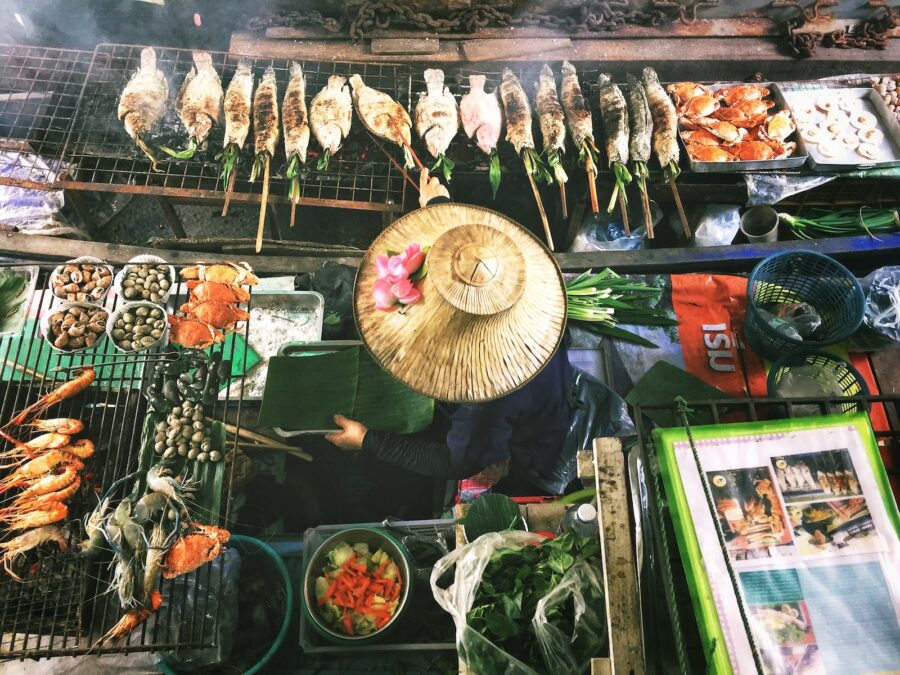
The country teems with affordable street food stalls serving lip-smacking delicacies and upscale restaurants for fine dining occasions alike, thereby catering to all tastes and budgets.
Efficient public transportation systems, including well-maintained roads, trains, and low-cost car rental options, make commuting hassle-free, while high-quality healthcare services further accentuate Thailand’s appeal as a destination for life abroad.
Visa requirements
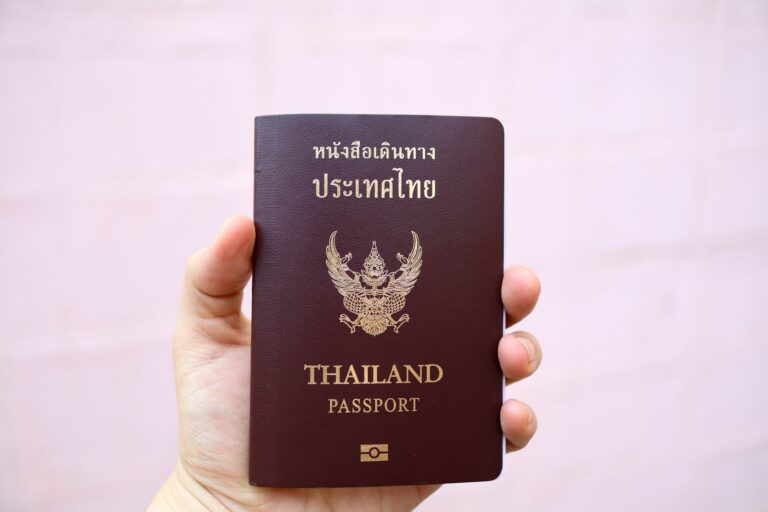
Understanding the Thai visa rules is crucial before planning your move to this Southeast Asian kingdom.
The country has strict immigration regulations that every foreigner must adhere to in order to stay lawfully. Here are some of the key points you need to understand:
- A Tourist Visa permits residency for only 60 days, but can be extended by another 30 days.
- A Non-Immigrant Visa lasts for 90 days and can be converted into a one-year extension based on either employment or retirement.
- An Education Visa allows one year of stay, provided it’s approved by a credible institution.
- A Marriage or Family Visa provides a one – year stay for those married to a Thai national or having a Thai child.
- For retirees older than 50 years, Thailand offers Retirement Visas. This visa needs an annual check – in and proof of sufficient finances.
Cost of Accommodation
Rent prices vary in Thailand depending on the city and type of housing, with options ranging from affordable apartments to luxurious condos.
The Best Places to Live in Thailand for Affordable Living
Thailand is home to several affordable cities and regions, providing a range of options for individuals looking to live comfortably at an affordable cost.
Whether you prefer the bustling city life or the serene countryside, there is a place in Thailand that suits your budget and lifestyle.
Chiang Mai
One of the most popular cities for expats is Chiang Mai, located in the mountainous region of northern Thailand.
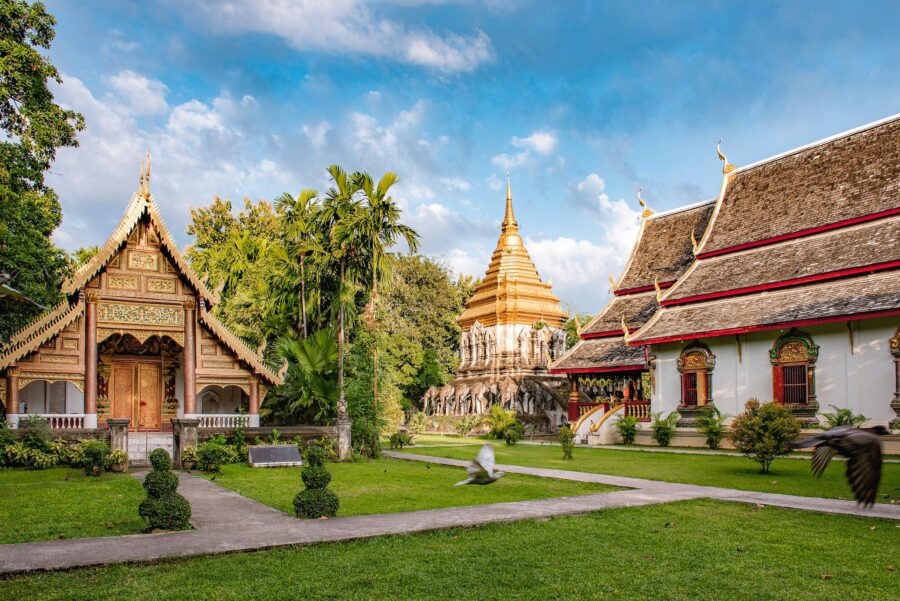
Known for its rich culture, affordable living costs, and vibrant expat community, Chiang Mai offers a variety of accommodation options to fit different budgets.
For example, a one-bedroom apartment can be rented for as low as $290 per month.
Hua Hin
If you prefer beachside living, Hua Hin is a great choice.
Situated on the Gulf of Thailand, Hua Hin offers beautiful beaches, golf courses, and a relatively low cost of living.

Rent prices for a one-bedroom apartment range from $380 to $650 per month, depending on the location and amenities.
The Best Places to Live in Thailand for Affordable Living
Thailand is home to several affordable cities and regions, providing a range of options for individuals looking to live comfortably at an affordable cost.
Whether you prefer the bustling city life or the serene countryside, there is a place in Thailand that suits your budget and lifestyle.
One of the most popular cities for expats is Chiang Mai, located in the mountainous region of northern Thailand.
Known for its rich culture, affordable living costs, and vibrant expat community, Chiang Mai offers a variety of accommodation options to fit different budgets.
For example, a one-bedroom apartment can be rented for as low as $290 per month.
If you prefer beachside living, Hua Hin is a great choice.
Situated on the Gulf of Thailand, Hua Hin offers beautiful beaches, golf courses, and a relatively low cost of living.
Rent prices for a one-bedroom apartment range from $380 to $650 per month, depending on the location and amenities.
Other affordable cities in Thailand include Bangkok, Ko Chang, Kanchanaburi, and Chiang Rai.
Each of these cities has its own unique charm and attractions, allowing you to experience the diverse culture and natural beauty of Thailand without breaking the bank.

In addition to affordable accommodation options, living expenses in Thailand are generally lower compared to many other countries.
Groceries, transportation, and utilities are all relatively affordable, allowing individuals to comfortably manage their day-to-day expenses.
This, combined with the country’s vibrant culture, expat community, and access to quality healthcare, makes Thailand an attractive destination for digital nomads, retirees, and expats.
So, whether you dream of exploring ancient temples, relaxing on pristine beaches, or indulging in delicious street food, Thailand offers an affordable cost of living that allows you to live the life you’ve always wanted without sacrificing your budget.

Other affordable cities in Thailand include Bangkok, Kanchanaburi, and Chiang Rai.
Each of these cities has its own unique charm and attractions, allowing you to experience the diverse culture and natural beauty of Thailand without breaking the bank.
In addition to affordable accommodation options, living expenses in Thailand are generally lower compared to many other countries.
Groceries, transportation, and utilities are all relatively affordable, allowing individuals to comfortably manage their day-to-day expenses.
This, combined with the country’s vibrant culture, expat community, and access to quality healthcare, makes Thailand an attractive destination for digital nomads, retirees, and expats.
So, whether you dream of exploring ancient temples, relaxing on pristine beaches, or indulging in delicious street food, Thailand offers an affordable cost of living that allows you to live the life you’ve always wanted without sacrificing your budget.
Rent prices
Rent prices in Thailand are remarkably lower as compared to many Western countries, which makes Thailand an attractive destination for expats and digital nomads.
| Location | Budget Accommodation | Mid-range Accommodation | Nice Accommodation |
|---|---|---|---|
| Chiang Mai | With an average 74.9% cheaper price than the United States, you can find budget accommodations at much lower costs. | Mid-range accommodations offer a comfortable stay at a reasonable price, with options to suit different needs and preferences. | There are exquisite accommodations available for those looking for more luxurious living conditions. |
| Bangkok | Budget accommodations in Bangkok are plentiful, catering to those looking to keep living costs low. | Mid-range accommodations offer a blend of comfort and affordability, catering to a wide range of expats. | Nice accommodations offer upscale living conditions, with prices varying based on factors like location and amenities offered. |
Using Airbnb to rent accommodations from locals is a growing trend in Thailand.
As an expat or digital nomad, it’s recommended to book at least a week in a guesthouse upon arrival in Thailand before committing to long-term accommodation.
This provides time to explore the area and find the perfect place to settle in.

Types of housing
Different types of housing options are available in Thailand to suit various needs and budgets.
Here are some common types of housing in the country:
- Condominiums: These are popular among expats and digital nomads due to their modern amenities and convenient locations. Prices vary depending on size, location, and facilities.
- Apartments: Apartments offer affordability and flexibility with short-term leases. They come in various sizes and styles, ranging from studio units to multi-bedroom apartments.
- Houses: Renting a house is a great option for those who prefer more space or have families. Single-family homes or townhouses can be found in both urban and rural areas.
- Villas: If you’re looking for luxury and privacy, villas are available for rent in certain areas of Thailand. These spacious properties often feature private pools and exclusive amenities.
- Serviced Apartments: Ideal for those who want the benefits of a hotel combined with the comforts of home, serviced apartments provide housekeeping services, 24-hour security, and other conveniences.
- Shared Accommodation: For budget-conscious individuals or those looking to meet new people, shared accommodations such as dormitories or shared houses offer affordable options.

Cost of Daily Expenses
Daily expenses in Thailand can vary depending on factors such as location and personal preferences, but common costs include food, transportation, healthcare, and entertainment.
Food
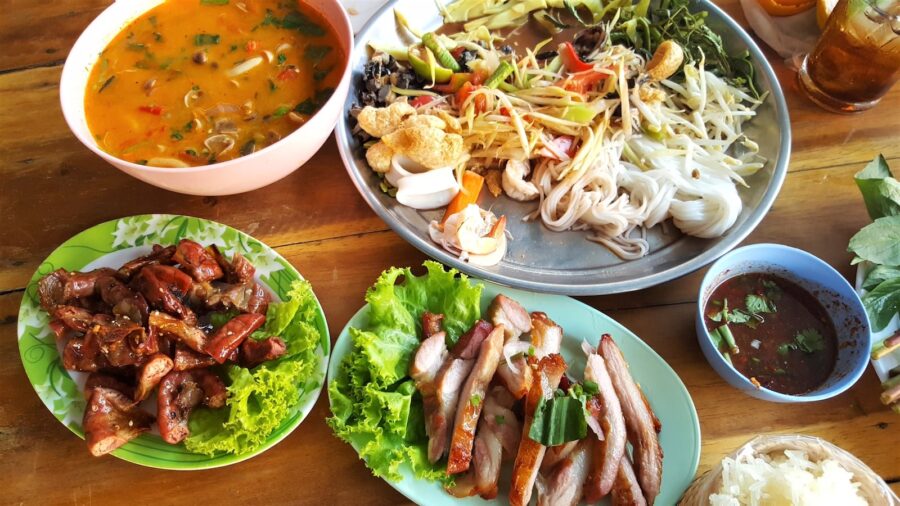
In Thailand, there are plenty of inexpensive dining options to choose from. You can enjoy a meal in a restaurant for as low as 45.00 ฿ or treat yourself to a mid-range restaurant experience with prices ranging from 500.00 ฿ to 1,845.71 ฿ for a three-course meal for two people.
If you’re looking for something quick and affordable, fast food combo meals at places like McDonald’s can cost anywhere between 159.00 ฿ and 258.40 ฿.
When it comes to drinks, the price of a pint of domestic beer ranges from around 50.00 ฿ to 120.00 ฿ while small imported bottles range from about 80.00 ฿ up to 185.00.
Transportation
Transportation in Thailand is affordable and offers a range of options for getting around.
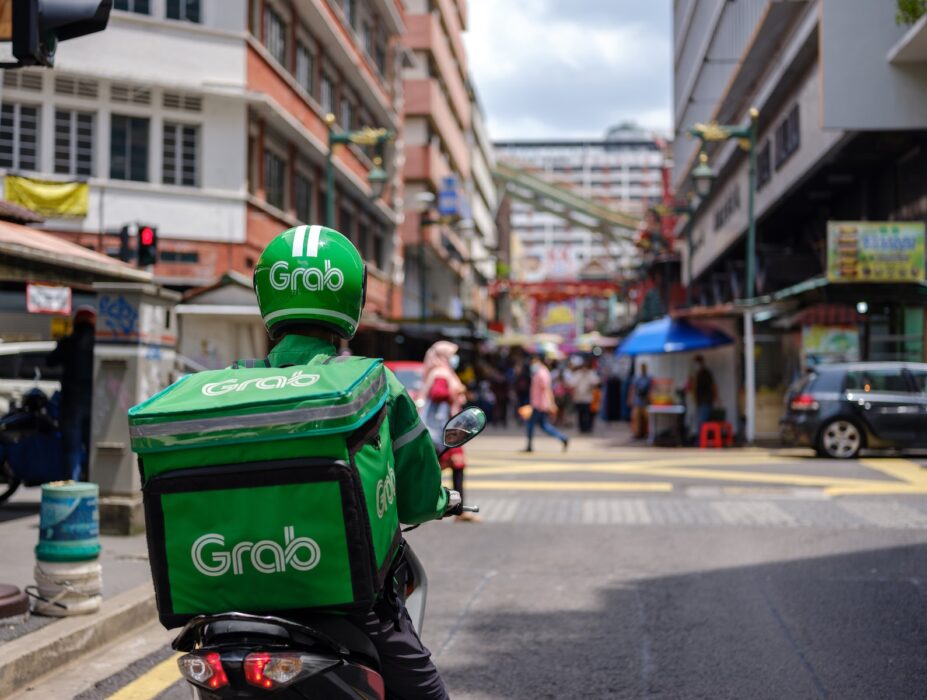
Whether you’re living in Bangkok or Chiang Mai, there are several modes of transportation to choose from, including local songthaews, motorcycles, the metro, taxis, and bicycles.
Renting a scooter is particularly popular in Chiang Mai.
The cost of transportation can vary depending on your choice of transport and where you’re located in Thailand.
However, overall, public transportation options are cost-effective and provide an efficient way to navigate the country without breaking the bank.
Healthcare
The cost of healthcare in Thailand is significantly lower than in the United States.
Expats and digital nomads can expect to pay much less for medical services and treatments.
The country has a well-developed healthcare system with modern facilities and trained professionals.
Whether you need a routine check-up, dental work, or even major surgery, you can receive quality care at affordable prices.
It’s important to note that private hospitals tend to be more expensive than public ones, but they also offer higher standards and shorter waiting times.
Additionally, many expats choose to purchase health insurance while living in Thailand to cover any unforeseen medical expenses.
Entertainment
Entertainment options in Thailand are plentiful, offering expats and digital nomads a diverse range of activities to enjoy during their stay.
Whether you’re looking for a night out on the town or a more laid-back evening, Thailand has something for everyone.
From karaoke sessions with friends to dancing the night away at clubs, there is no shortage of options.
If you prefer a more relaxed atmosphere, rooftop bars provide stunning views and delicious cocktails.
And if you fancy some friendly competition, why not head to a bowling alley?
In Chiang Mai, the vibrant expat scene offers a variety of evening entertainment options, such as live music venues and bustling night markets that showcase local culture and artisanal crafts.
Meanwhile, Bangkok boasts a larger expatriate community with entertainment options catering to different ages and interests.
With an extensive selection of restaurants serving various cuisines from around the world and affordable meal prices starting at 45.00 ฿, dining out in Thailand is also part of the entertainment experience here.
Sample Monthly Budget for Living in Thailand
Create a comprehensive budget, including all living expenses such as rent, food, transportation, healthcare, and entertainment.
Resources for budgeting
To help expats and digital nomads manage their finances while living in Thailand, there are several useful resources for budgeting available. These include:
- Budgeting tools: Online tools and mobile apps can assist in tracking expenses, setting budgets, and monitoring savings goals.
- Money management websites: There are websites dedicated to providing financial advice, tips, and tools specifically tailored for individuals living abroad.
- Financial planning services: Professional financial planners can offer personalized guidance on budgeting, investing, and managing money effectively.
- Expat community forums: Joining online communities of fellow expats can provide valuable insights and tips on cost-saving strategies and budgeting techniques.
- Travel planning guides: Websites and guidebooks that focus on travel in Thailand often provide information on estimated costs for accommodation, transportation, food, and activities.
Tips for saving money
Saving money while living in Thailand is possible with these helpful tips:
- Cook your own meals: Buying groceries and cooking at home can save you a significant amount of money compared to eating out at restaurants.
- Utilize street vendors: Street stalls offer affordable and delicious meals, making them a budget-friendly dining option.
- Use public transportation: Opt for public transportation such as buses or the metro instead of relying on taxis, which can be more expensive.
- Explore local attractions: Thailand has plenty of beautiful beaches, temples, and markets to explore that won’t break the bank.
- Shop at local markets: Take advantage of the lower prices at local markets for fresh produce, clothing, and souvenirs.
- Seek out free activities: Many parks, museums, and cultural events in Thailand offer free or low-cost admission, allowing you to enjoy the country without spending a fortune.
- Negotiate prices: Don’t be afraid to negotiate when shopping at markets or hiring services to get the best possible price.
- Choose affordable accommodations: Consider staying in budget-friendly guesthouses or shared accommodations instead of high-end hotels to save on accommodation costs.
Managing taxes as an expat
As an expat living in Thailand, it’s important to understand and manage your tax obligations.
To ensure compliance and take advantage of available deductions or exemptions, consulting with a tax professional is recommended.
Thailand has relatively low income tax rates ranging from 5% to 35%, depending on your income level.
Regardless of your employment status, expats are generally required to file a personal income tax return each year.
Keeping detailed records of your income and expenses, as well as relevant receipts or documents, is crucial for accurate reporting and claiming deductions.
Familiarizing yourself with the tax laws and regulations in Thailand will help you avoid penalties or fines and ensure that you fulfill your obligations as an expat.

Conclusion
In conclusion, living in Thailand can be a cost-effective choice for expats and digital nomads.
With its low cost of living compared to the United States and a wide range of affordable options for accommodation, food, and entertainment, Thailand offers an attractive lifestyle for budget-conscious individuals.
By carefully managing expenses and following a well-planned budget, it is possible to enjoy all that Thailand has to offer while staying within financial means.
Frequently Asked Questions
How much does it cost to live in Thailand?
The cost of living in Thailand varies depending on the city and lifestyle, but on average, it can range from $700 to $1,500 per month.
What are the major expenses when living in Thailand?
Major expenses when living in Thailand include accommodation (rent or mortgage), utilities (electricity, water), transportation, food, healthcare, and leisure activities.
Is it expensive to eat out in Thailand?
No, eating out in Thailand is generally affordable. Street food and local restaurants offer delicious meals at low prices. Western-style restaurants and upscale establishments may be more expensive.
How much should I budget for transportation costs in Thailand?
Transportation costs in Thailand can vary depending on your location and mode of transport. On average, budgeting around 5-10% of your monthly expenses for transportation is a good estimate.
Are there any additional expenses I should consider when budgeting for living in Thailand?
Additional expenses to consider when budgeting for living in Thailand include visa fees (if applicable), health insurance premiums, internet/cable subscriptions, household items/furniture purchases or rentals, and personal entertainment/leisure activities.