Understanding The Cost Of Living In St. Kitts & Nevis: A Comprehensive Guide


Last Updated on 22 January 2025
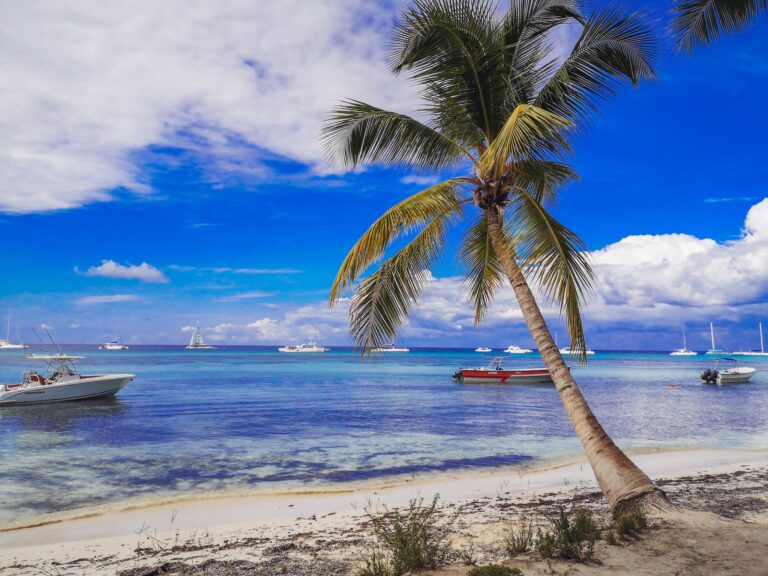
For many, the dream of Caribbean living conjures images of pristine beaches and sunny days. But what does it actually cost to live in St. Kitts & Nevis?
As someone who’s helped dozens of expats transition to island life, I’ll break down the real numbers and share insider tips that could save you thousands.
Key Takeaways
- The cost of living in St. Kitts & Nevis is moderate compared to other countries, making it an attractive destination for expats and digital nomads.
- Estimated monthly expenses for a single person range from EC$4,037 to $1,150 USD, which covers accommodation, transportation, dining, groceries, healthcare, education, entertainment, and miscellaneous expenses.
- Health insurance options that include coverage for emergency evacuation are highly recommended by the healthcare system in St. Kitts and Nevis.
- Renting costs can vary based on the location and type of property; beachfront properties are more expensive than those further inland.
Overall Cost of Living in St. Kitts and Nevis
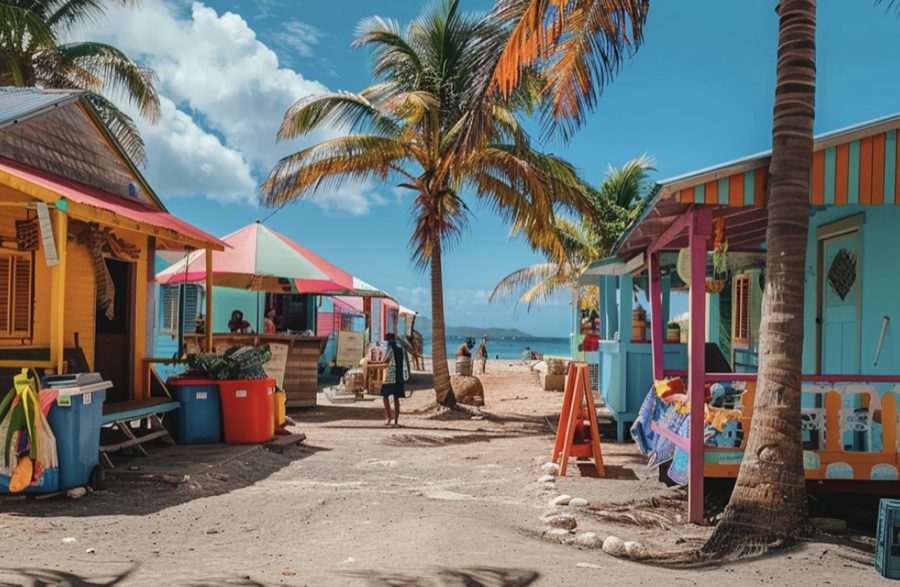
A single person needs approximately $2,800-$3,500 USD monthly to live comfortably in St. Kitts & Nevis, while a family of four should budget $4,500-$6,000. However, these figures can vary significantly based on lifestyle choices and location preferences.
How St. Kitts & Nevis Compares to Other Caribbean Destinations
Understanding relative costs helps put things in perspective:
Against Popular Caribbean Destinations (Monthly Costs for Singles)
- St. Kitts & Nevis: $2,800-$3,500
- Barbados: $3,200-$4,000
- Cayman Islands: $4,500-$5,500
- Dominican Republic: $1,800-$2,500
- Jamaica: $2,000-$2,800
Source: Caribbean Economic Report 2024
Housing: Your Biggest Expense
Housing costs in St. Kitts & Nevis vary dramatically based on location and property type. A one-bedroom apartment in Basseterre starts at $800 USD monthly, while luxury beachfront properties in Frigate Bay can exceed $3,000.
Location Breakdown
- Frigate Bay (Premium): $1,800-$3,000+
- Basseterre (City Center): $800-$1,500
- Bird Rock: $700-$1,300
- Half Moon Bay: $1,200-$2,000
- Calypso Bay: $1,500-$2,500
Source: St. Kitts Real Estate Association
Location Matters
Frigate Bay commands premium prices but offers the most amenities. Meanwhile, areas like Bird Rock provide similar comforts at 20-30% lower costs. Your choice of location can easily save (or cost) you $500 monthly.

Daily Living Expenses
Rather than overwhelming you with lists, here’s a practical breakdown of monthly costs for a comfortable lifestyle:
Food & Groceries
Monthly grocery costs vary significantly based on shopping habits:
- Local Market Shopping: $400-$600
- Import-Heavy Diet: $700-$900
- Mixed Shopping: $500-$700
Transportation & Utilities
Utilities & Services
- Cable TV: $50-$70
- Electricity: $150-$250
- Water: $30-$50
- Internet (Fiber): $60-$80
- Mobile Phone: $40-$60
Personal Vehicle
- Used Car Purchase: $8,000-$15,000
- Monthly Fuel: $200-$300
- Insurance: $100-$150
- Maintenance: $100-$150
Public Transportation
- Bus Fare (Single Journey): $2-$3
- Monthly Bus Pass: $100
- Taxi (Average Trip): $15-$25

Healthcare Considerations
Healthcare deserves special attention. Private health insurance costs $200-400 monthly per person, depending on coverage. Most expats opt for international health insurance plans that include evacuation coverage, which is strongly recommended.
The Hidden Costs Nobody Talks About
While most guides focus on basic expenses, here are some lesser-known costs that can impact your budget:
- Import duties on personal items (15-35% of value)
- Annual residence permit fees ($1,500-2,500)
- Bank account maintenance fees ($15-25 monthly)
- Generator backup power setup ($2,000-3,000 one-time cost)
Making It Work: Real-World Strategies
After helping numerous expats settle here, I’ve learned that success often comes down to smart choices rather than deep pockets. Some effective strategies include:
Smart Shopping
Shop at local markets early Saturday mornings for the best produce deals. Many expats save 30-40% on groceries by knowing where and when to shop.
Housing Hacks
Long-term rentals often come with significant discounts. Negotiating a year-long lease can reduce monthly rent by 15-20%, especially during off-peak seasons.
Quality of Life Considerations
Pros
- Safe environment
- Excellent climate
- Strong expat community
- Good international accessibility
Cons
- Limited shopping options
- Higher import costs
- Seasonal weather risks
- Distance from major medical facilities
Conclusion
While living in St. Kitts & Nevis isn’t cheap, it’s still more affordable than many other Caribbean destinations. The key to making it work is understanding where your money goes and making informed choices about your priorities.
Remember that these costs reflect 2024 data and can change. Always check current rates and consider consulting with local experts for the most up-to-date information about specific areas or situations that interest you.
Frequently Asked Questions
What is the overall cost of living in St. Kitts and Nevis?
The cost of living in St. Kitts & Nevis is considered moderate compared to other countries. It attracts expats and digital nomads due to its balance of comfort and affordability, despite its high-income economy status within the Eastern Caribbean Currency Union.
How much are the estimated monthly expenses for a single person?
A single person’s estimated monthly expenses range from EC$4,037 to $1,150 USD. This covers accommodation, transportation, dining, groceries, healthcare, education, entertainment, and miscellaneous expenses.
Are there specific health insurance recommendations for expats in St. Kitts and Nevis?
Yes, health insurance options that include coverage for emergency evacuation are highly recommended. The healthcare system advises expats to obtain comprehensive health insurance plans.
How does the cost of renting vary in St. Kitts and Nevis?
Renting costs depend on the location and type of property, with beachfront properties typically being more expensive than those further inland. Costs can range significantly based on these factors.
What are the typical transportation costs in St. Kitts & Nevis?
Transportation costs include expenses related to car ownership, maintenance, and public transportation. The costs vary based on individual needs and lifestyle choices.
What is the cost of dining out and groceries in St. Kitts & Nevis?
Dining out can be moderately high, with the cost of a fast-food meal around USD$10 and a mid-range restaurant meal for two people averaging around $64. Grocery prices vary based on shopping habits and choice of local markets or stores.
What are the healthcare expenses in St. Kitts & Nevis?
Healthcare expenses include the cost of medical care and health insurance. It’s important to consider these costs in your budgeting, especially if you require specific medical services or medications.
How do education costs affect living expenses?
Education costs can vary depending on the institution and level of education. These expenses are particularly important for families and those pursuing further education, impacting the overall cost of living.
What are some entertainment and leisure expenses in St. Kitts & Nevis?
Entertainment and leisure expenses can include costs for recreational activities, sports, and travel. Prices for these services and products may be influenced by the importation and transportation costs.
Are there any additional miscellaneous expenses to consider?
Yes, miscellaneous expenses might include costs for obtaining citizenship, construction permits, and the higher price of imported goods due to transportation costs. These should be factored into your overall budget.