Understanding The Cost Of Living In Peru: A Comprehensive Guide


Last Updated on 6 January 2025
Peru, with its rich culture and diverse landscapes, presents an enticing option for those seeking a new chapter abroad.
Yet, misconceptions about the cost of living can deter potential expats and digital nomads from experiencing all that this South American gem has to offer.
With years of on-the-ground experience in Peru’s varied cities, we’re here to dispel doubts by providing a thorough breakdown of financial expectations.
This guide will navigate through the essentials — from housing to dining out — ensuring you grasp the full picture before embarking on your Peruvian adventure.
It’s more than mere numbers; it offers keys to unlock the lifestyle you desire amidst ancient ruins and bustling markets.
Keep reading for insights that could redefine your economic outlook on life in Peru. Discover affordability redefined!
Key Takeaways
- Peru offers a relatively low cost of living compared to other countries, with basic expenses being covered for $2000 per month or less.
- Housing and rent prices vary across cities, with larger cities like Lima having higher costs compared to smaller towns. Food and grocery costs are generally affordable, especially when shopping at local markets.
- Transportation expenses largely depend on your mode of transport, but public transportation is usually inexpensive and widely available. Healthcare costs are generally low when using public services.
- Understanding regional variations in living costs can help digital nomads and expats manage their expenses effectively while maintaining a comfortable standard of living in Peru.
Cost of Living in Peru: Overview

Peru offers a relatively low cost of living compared to other countries, making it an attractive option for digital nomads and expats.
With affordable housing, food, and leisure activities, basic expenses can be covered for $2000 per month or less.
Average cost of living
Living in Peru can be quite affordable. You might spend around $771 per month, which is cheaper than what many people around the world pay.
This average cost includes your food, a place to stay, getting around and other basic things you need every day.
Different places in Peru may cost more or less to live in.
For example, Arequipa offers a range of living expenses from about $514 to $2,063 each month depending on how you choose to live.
Whether you want to keep things simple or go for more comfort can change your costs a lot.
Comparison to other countries
After looking at average costs, you might wonder how Peru stacks up against other places.
Goods and services in Peru cost about 45.61% less than in the United States.
This means if you’re coming from the U.S., your dollars will go further here.
Peru has a cost of living that’s pretty standard for Latin America.
It doesn’t cost as much to live here as it does in some neighboring countries, but it’s not the cheapest option either.
Bolivia and Ecuador are often cheaper for travelers exploring South America.
For expats and digital nomads, this is important to think about when planning where to live or travel next.
Prices can change from country to country, so look into this before moving or taking a long trip.
The price levels vary widely across different regions, which affects how affordable Peru feels compared with other choices on the continent.
Factors affecting cost of living
Now, let’s delve into what shapes the cost of living in Peru.
Prices for daily needs can go up or down depending on several things.
Economic growth is a big one that affects how much you pay for food, housing, and more.
If the economy is not doing well, prices might rise because there’s not enough investment coming into the country.
The cost of basic needs changes based on where you live in Peru too.
In big cities like Lima, rent and groceries may be higher than in smaller towns or rural areas.
But even with these differences, Peru remains pretty affordable compared to other South American countries.
Also, financial uncertainties play a part.
The Peruvian economy has its ups and downs which can change how much your monthly budget will be.
You need to keep an eye on money matters here just like anywhere else.
Understanding these factors will help you plan better for life in this vibrant country.
Expenses in Peru
Housing and rent prices in Peru can vary greatly depending on the city, with larger cities like Lima typically having higher costs compared to smaller towns.
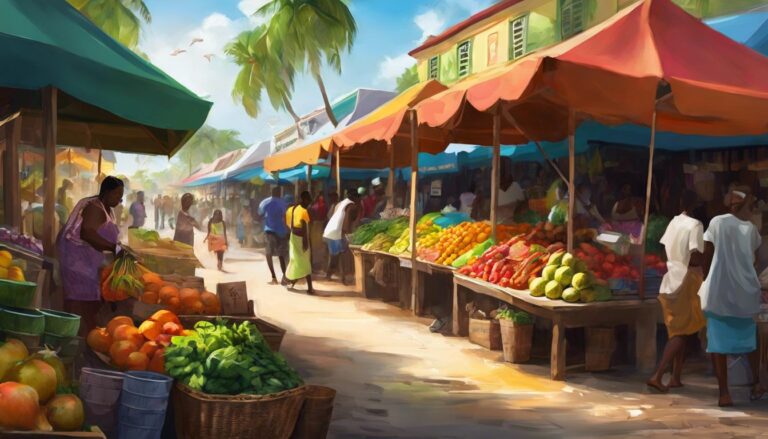
Grocery costs can also fluctuate, but overall are relatively affordable, particularly if you stick to local markets and shops.
Transportation expenses will largely depend on your mode of transport, but public transportation is usually inexpensive and widely available.
Healthcare costs are generally low when using public services, although private healthcare can be more expensive for expats.
Entertainment and leisure activities offer a range of options at various price points, allowing for flexibility in your budgeting.
Housing and rent prices
Renting an apartment in Peru can be a significant expense, particularly in popular areas like Miraflores in Lima.
The cost of housing varies across cities, with different price ranges.
Generally, housing is relatively affordable compared to other countries.
When searching for accommodation, consider the location’s impact on property prices and rental costs.
It is essential to factor your accommodation expenses into your budget when considering living in Peru.
Understanding the local real estate market and lease rates will help you manage your residential expenses effectively as an expat or digital nomad settling in Peru.
Food and grocery costs
When it comes to food and grocery costs in Peru, it’s essential to factor in your budgeting.
On average, daily food expenses can total around $16 (S/.60).
However, bear in mind that individual spending habits and dining choices may cause this figure to fluctuate.
When shopping for groceries, consider exploring local markets as they often offer more affordable options compared to regular supermarkets.
It’s important to note that overall, grocery expenses in Peru may not be significantly cheaper than those in the United States, especially if you’re used to shopping at regular supermarkets.
Navigating the world of food prices and grocery budgets can be a crucial aspect of managing your household budget while living in Peru.
Understanding the options available between market prices and supermarket choices will help you make informed decisions on where best to spend your money on essential items like groceries.
Transportation expenses
Transportation expenses in Peru can vary depending on your location and lifestyle.
In major cities like Lima, public transportation such as buses and the Metropolitano rapid bus system offer affordable options for getting around.
Taxis are also commonly used and tend to be reasonably priced.
Additionally, owning a car in Peru may incur costs including fuel, maintenance, and parking fees.
When considering transportation expenses in Peru, it’s important to evaluate your daily commuting needs and factor in potential costs for different modes of transportation.
For expats living in Peru, understanding the local transportation options is essential for managing expenses efficiently.
Whether you’re navigating the bustling streets of Lima or exploring the historic sites of Cusco, becoming familiar with public transport routes can help minimize commuting costs.
Healthcare costs
Healthcare costs in Peru play a significant role in the overall cost of living.
With health spending accounting for around 5.5% of the country’s GDP, it is essential to consider these expenses when planning your budget.
Moreover, many Peruvian households face catastrophic health expenditure (CHE), highlighting the economic burden brought about by healthcare costs.
Interestingly, the direct non-healthcare costs make up a substantial 78.3% of the total economic burden related to healthcare in Peru.
For digital nomads and expats considering a move to Peru, understanding and factoring in healthcare expenses are crucial aspects of managing your finances effectively.
Being aware of these figures can help you plan and allocate resources accordingly while enjoying all that this beautiful country has to offer.
Entertainment and leisure expenses
When it comes to enjoying your time in Peru, budgeting for entertainment and leisure expenses is essential.
Whether you’re exploring cultural activities, trying out local cuisine, or venturing into the nightlife scene, allocating around $110 per day for recreational and dining expenses can help you make the most of your experience.
From movie tickets to dining out and indulging in tourist experiences, there are abundant options for fun outings and enjoyment throughout Peru.
In Lima, known for its pricier restaurant and nightlife options, being mindful of your leisure spending can help ensure a well-rounded experience without overspending.
Remember that while planning your stay in Peru’s major cities like Arequipa, Cusco, Trujillo, or Chiclayo, factoring in these entertainment costs will contribute to an immersive and enjoyable stay.
Cost of Living in Major Cities of Peru
Compare the cost of living in major cities like Lima, Arequipa, Cusco, Trujillo, and Chiclayo to provide a comprehensive understanding of the variations in expenses across different regions.
Lima
Lima stands out as the most expensive city in Peru.
The cost of living here surpasses that of other cities, particularly when it comes to housing expenses.
In Miraflores, a well-known district, apartment rentals are nearly twice the cost compared to similar options in other areas.
Not just that, consumer goods in Lima come at a premium too, with prices 10 to 15 percent higher than in other regions of Peru.
When comparing Lima’s living costs with those of other major cities like Arequipa or Cusco, you’ll find significant disparities.
Understanding these differences is key for digital nomads and expats looking to manage their expenses effectively while maintaining a comfortable standard of living.
Arequipa
Arequipa, Peru offers an affordable cost of living, ranging from $514 to $2,063 monthly.
With an average cost of living at $585, it’s considered one of the world’s least expensive cities.
Groceries for a 2-person household typically amount to around $500 per month.
Arequipa’s affordability and lifestyle options make it popular among expats and retirees.
For digital nomads and expats seeking a budget-friendly yet enriching experience, Arequipa provides valuable insights into managing living expenses while enjoying the city’s offerings.
Cusco
Cusco, once the heart of the Inca Empire, offers a vibrant mix of history and culture.
The average cost of living in Cusco is around $707, making it an affordable city to reside in.
For a couple, the monthly budget comes to approximately $1,300. Being ranked in the top 28% of the least expensive cities globally,
Cusco provides an excellent opportunity for digital nomads and expats to explore its rich Quechuan/Incan heritage while keeping living expenses reasonable.
This historical city abounds with ancient ruins and local cuisine that reflect its cultural significance as the former capital of the Inca Empire.
Hidden treasures await you in Cusco – a city teeming with indigenous culture and significant tourist attractions.
Immerse yourself in its cultural heritage while managing your living expenses efficiently.
Trujillo
As you leave the historical and cultural wonders of Cusco behind, let’s venture to Trujillo, the third largest city in Peru.
With an average cost of living around $667, Trujillo stands out as one of the top 25% least expensive cities globally.
Here, you can experience a comfortable standard of living with affordable housing options and low food and transportation costs.
The city is deeply rooted in history and culture, boasting a wealth of colonial architecture and historic sites alongside stunning beaches.
Trujillo’s relatively low cost of living compared to other major cities makes it an attractive option for digital nomads and expats seeking both affordability and a rich cultural experience.
Chiclayo
Chiclayo, a vibrant city in northern Peru, offers a lower cost of living compared to Lima.
The average monthly rent for a one-bedroom apartment in Chiclayo is around $250 USD, making it an affordable option for expats and digital nomads.
Groceries are reasonably priced, with fresh produce and local cuisine contributing to the manageable food expenses.
Transportation costs are also budget-friendly, with public buses and taxis providing convenient travel options within the city.
Healthcare expenses in Chiclayo are relatively low compared to other major cities in Peru. Expats can access quality medical care at reasonable prices.
As for leisure activities, Chiclayo boasts various cultural attractions like museums and archaeological sites that offer affordable entry fees.
The city’s lively markets provide opportunities for budget-friendly entertainment and shopping experiences.
For expats seeking an authentic Peruvian experience without breaking the bank, Chiclayo presents an attractive option with its favorable cost of living and diverse cultural offerings.
Cost of Living for Expats in Peru
Expats in Peru must consider factors such as international school fees, visa requirements, and job opportunities when evaluating their cost of living.
International schools
Expats relocating to Peru are often concerned about their children’s education.
For quality international education, expect monthly fees of around 1,000 Soles in Peru.
The country has fewer private schools compared to public or international ones, which generally follow the Peruvian curriculum.
International schools offer diverse curricula including the local Peruvian one, International Baccalaureate, and various foreign curricula, ensuring an accommodating educational environment for expat families.
Private schools in Peru provide better infrastructure and teaching methods than public institutions do.
This offers a higher quality of education but comes at a cost that can be steep for expat families.
Visa and residency requirements
If you plan to live in Peru, there are various visa and residency options available for expats.
You can apply for a work visa or an investor visa if you intend to work or invest in the country.
For those seeking retirement in Peru, there’s a specific retirement visa that allows for long-term stay.
It’s important to note that under certain visas, expats are not permitted to work and must reside in the country for at least six months each year.
Additionally, after residing on a retirement visa for three years, expats can apply for permanent residency status.
Understanding the requirements and procedures for obtaining visas and residency permits is essential before making the move to Peru.
Work permits, investor visas, and long-term residency all have specific eligibility criteria and application processes that need to be carefully considered.
Familiarizing yourself with these regulations will help ensure a smooth transition into living as an expat in Peru.
Job opportunities and salaries
Peru boasts a growing economy, presenting abundant job opportunities for expats.
The country’s job market is expanding with increasing economic growth, offering various work prospects to foreign workers.
In Iquitos, the average yearly salary stands at around 38,713 Peruvian SOL, which equals approximately $10,153 USD per year.
With this income potential and the thriving economy of Peru, you can anticipate favorable livelihood opportunities as an expatriate in the country.
Employment opportunities in Peru extend beyond traditional roles and encompass diverse fields catering to different skill sets.
As an expat or digital nomad considering relocating to Peru, it’s essential to explore the evolving job landscape and understand the salary rates across various industries.
Tips for Managing Expenses in Peru
Learn how to budget effectively and save money, understand currency exchange rates, and master cultural norms for bargaining.
Explore practical strategies to make your money go further in Peru and maximize your experience living abroad.
Budgeting and cost-saving strategies
To manage your expenses in Peru, it’s crucial to adopt effective budgeting and cost-saving strategies.
Start by creating a detailed budget that includes all your monthly expenses such as rent, groceries, transportation, and leisure activities.
This will help you allocate funds wisely and identify areas where you can cut back on unnecessary spending.
Consider embracing frugal living by seeking out affordable housing options, cooking at home instead of dining out frequently, and using public transportation or walking whenever possible to save on transportation costs.
Additionally, take advantage of the local markets for inexpensive fresh produce and goods while also being mindful of currency exchange rates to maximize your purchasing power.
Another essential aspect is understanding the cultural norms and bargaining tips prevalent in Peru.
Embrace the local customs when it comes to haggling prices at markets or negotiating deals with service providers.
Also, consider exploring free or low-cost entertainment options such as visiting parks, museums, or attending community events to enjoy leisure activities without breaking the bank.
Understanding currency exchange rates
Currency exchange rates are critical for managing your expenses in Peru.
When exchanging money, keep in mind that the official currency is the Nuevo Sol.
Understanding exchange rates can help you get more value for your money when converting to Soles.
Factors like commodity prices and economic cycles influence the real exchange rate of Soles, affecting how much foreign currency you’ll need for daily expenses.
To ensure favorable conversion rates, utilize ATMs to withdraw cash instead of exchanging foreign currencies directly.
When using ATMs, be aware that currencies other than U.S. dollars may receive less favorable exchange rates in Peru, so plan accordingly.
By staying informed about exchange rate fluctuations and considering economic factors affecting them, you can make smarter decisions while managing your finances abroad.
Cultural norms and bargaining tips
Understanding currency exchange rates is essential, but acclimating to Peruvian cultural norms and bargaining practices can significantly impact your cost of living.
In Peru, forming personal connections holds high importance in business dealings.
Building good relationships with locals can help you secure better deals on housing, goods, and services.
When shopping in local markets or negotiating rent prices, it’s customary to engage in friendly conversations before discussing transactions.
Additionally, bargaining is common practice in Peru; therefore, do not hesitate to negotiate prices when making purchases or finalizing rental agreements.
Tipping etiquette is paramount in Peru. It’s customary to tip 10-15% at restaurants and cafes if a service charge hasn’t been included in the bill.
When using taxi services or receiving assistance from hotel staff, tipping a small amount as a gesture of appreciation is also expected.
Conclusion
In conclusion, you have gained a comprehensive understanding of the cost of living in Peru.
The strategies and tips provided are practical and easy to implement for managing your expenses in Peru.
How can you apply these insights to plan your budget effectively?
Implementing these approaches can lead to significant improvements in managing living costs abroad.
Reflect deeply on the impact of applying these strategies as you navigate life in Peru.
If interested in further reading, explore additional resources or guidance about expat life and managing living expenses abroad.
Frequently Asked Questions
What are the average monthly living expenses in Peru?
The average monthly living expenses in Peru can vary, but for a moderate lifestyle, it may range from $600 to $1000 per month.
Is healthcare affordable in Peru for expats?
Yes, healthcare is generally affordable in Peru for expats. Private health insurance and medical services are available at reasonable costs compared to many Western countries.
Do I need to speak Spanish fluently to live comfortably in Peru?
While speaking Spanish fluently is not mandatory, knowing basic Spanish phrases can greatly enhance your experience and help with daily interactions.
Can I find vegetarian or vegan food easily in Peru?
Yes, you can find vegetarian and vegan food options in urban areas of Peru. Many restaurants offer plant-based dishes and there are also specialized stores for these dietary preferences.
What are some common leisure activities that people enjoy in Peru?
In Peru, popular leisure activities include visiting historical sites such as Machu Picchu, exploring the Amazon rainforest, trying traditional Peruvian cuisine, and participating in outdoor adventures like hiking and surfing.