Understanding The Cost Of Living In Albania: Prices, Expenses, And Comparisons

Last Updated on 13 January 2025
Navigating the cost of living in a new country can feel like unraveling a puzzle. For those considering Albania as their next destination, understanding local expenses is key to managing your budget effectively.
With its affordability and rich European charm, Albania attracts expats, digital nomads, and travelers alike.
This guide offers detailed insights into housing, transportation, food, utilities, and more, providing a clear picture of what it takes to live comfortably in Albania.
Key Takeaways
- Affordable Living: Albania offers significantly lower living costs compared to many Western countries, making it a haven for budget-conscious expats.
- Monthly Budget: For a single person, monthly expenses range from $500–$700 (47,700–66,780 Lek). A couple can live comfortably for about $1,000 (95,500 Lek) per month.
- City vs. Rural Costs: Urban centers like Tirana are more expensive than smaller cities like Shkodër or Berat. Seasonal tourism impacts costs in coastal areas.
Overview of Cost of Living in Albania
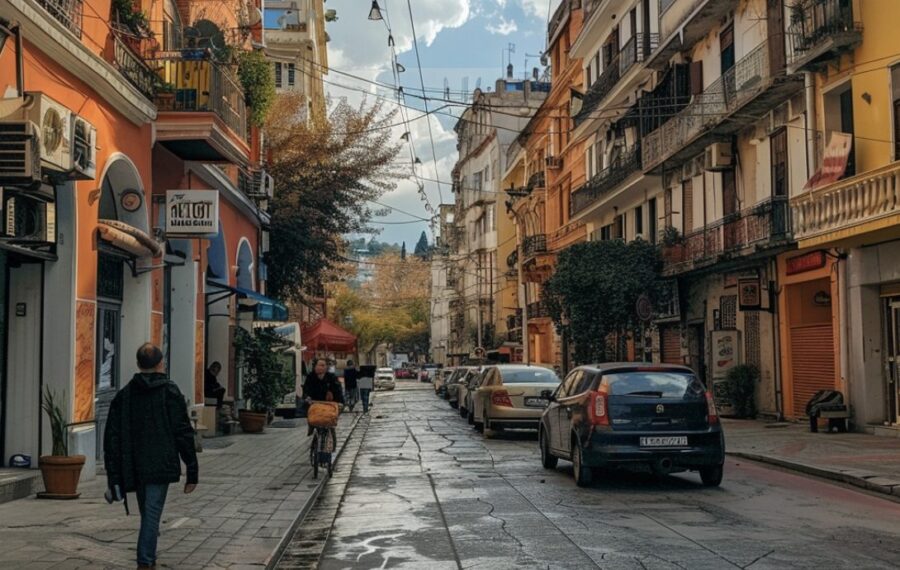
“Prices in Albania can vary, but generally, the cost of living is lower than in many Western countries. The cost of living averages table provides an overview of key expenses such as rent, food, transportation, and utilities to give you a better idea of how much it costs to live in Albania.”.
Housing
Housing is one of the largest expenses in Albania, but it’s much more affordable than in Western Europe or the US.
- Tirana (City Center):
- One-bedroom apartment: $506 (48,136 Lek)
- Three-bedroom apartment: $936 (89,034 Lek)
- Outside City Center:
- One-bedroom apartment: $353 (33,600 Lek)
- Three-bedroom apartment: $599 (56,952 Lek)
- Smaller Cities (e.g., Shkodër, Berat):
- One-bedroom apartment: $150–$250 (14,250–23,750 Lek)
- Three-bedroom apartment: $300–$500 (28,500–47,500 Lek)
Tip: Renting outside city centers or in smaller towns can cut housing costs by up to 40%.
Utilities
Monthly utility costs are reasonable and include electricity, water, heating, and garbage.
- Average Costs: $50–$100 (4,800–9,600 Lek)
- Internet: $22 (2,100 Lek) per month for a standard connection.
Tip: Bundle internet with cable TV services for potential discounts.
Food and Groceries
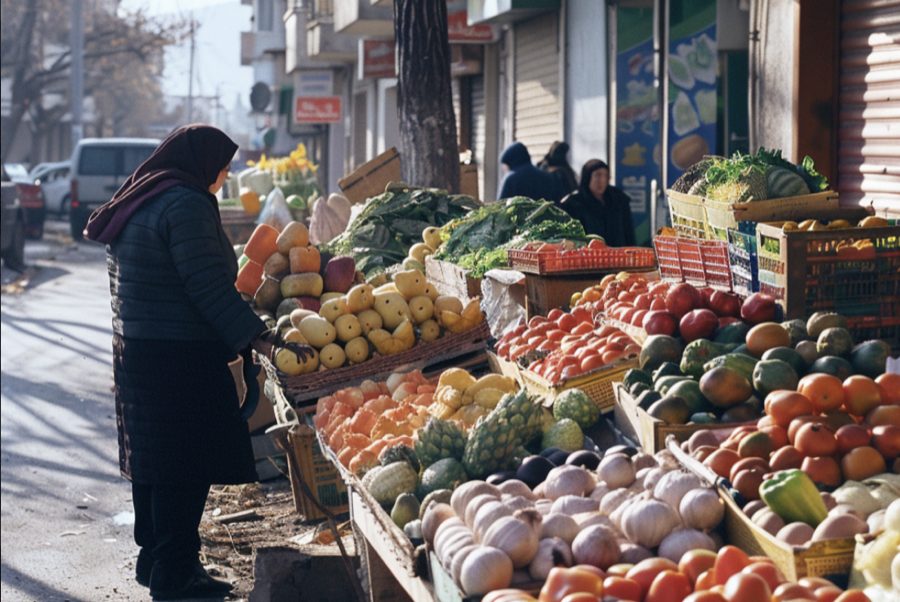
Albania’s fresh produce and local markets make grocery shopping affordable.
- Monthly Grocery Costs:
- Single person: $150 (14,300 Lek)
- Family of four: $400 (38,000 Lek)
- Sample Prices:
- Loaf of bread: $0.82 (78 Lek)
- 12 eggs: $3.25 (309 Lek)
- Local cheese (1 lb): $5.02 (478 Lek)
- Chicken fillets (1 lb): $3.11 (296 Lek)
- Fresh vegetables (per lb): $0.70–$1.00 (67–95 Lek)
Tip: Shop at local farmers’ markets for the freshest produce at lower prices.
Transportation
Getting around in Albania is inexpensive, with options ranging from buses to taxis.
- Public Transport:
- One-way ticket: $0.42 (40 Lek)
- Monthly pass: $16.83 (1,600 Lek)
- Taxis:
- Start fare: $3.15 (300 Lek)
- Per mile: $5.08 (483 Lek)
- Fuel: $7.36 per gallon (700 Lek)
Tip: Use shared taxis or buses for intercity travel to save on transportation costs.
Dining Out
Dining out in Albania is affordable for both casual meals and fine dining.
- Inexpensive Meal: $10.52 (1,000 Lek)
- Mid-Range Three-Course Meal (for two): $47.32 (4,500 Lek)
- Coffee (Cappuccino): $1.71 (162 Lek)
Tip: Explore local eateries (“tavernas”) for authentic Albanian cuisine at lower prices.
Healthcare
Healthcare in Albania is affordable but varies in quality.
- Private Clinic Consultation: $30 (2,850 Lek)
- Health Insurance: Public insurance is minimal, and private plans start at $50 (4,750 Lek) monthly.
Tip: Expats should consider private insurance for better coverage and access to private hospitals.
Expenses and Monthly Costs
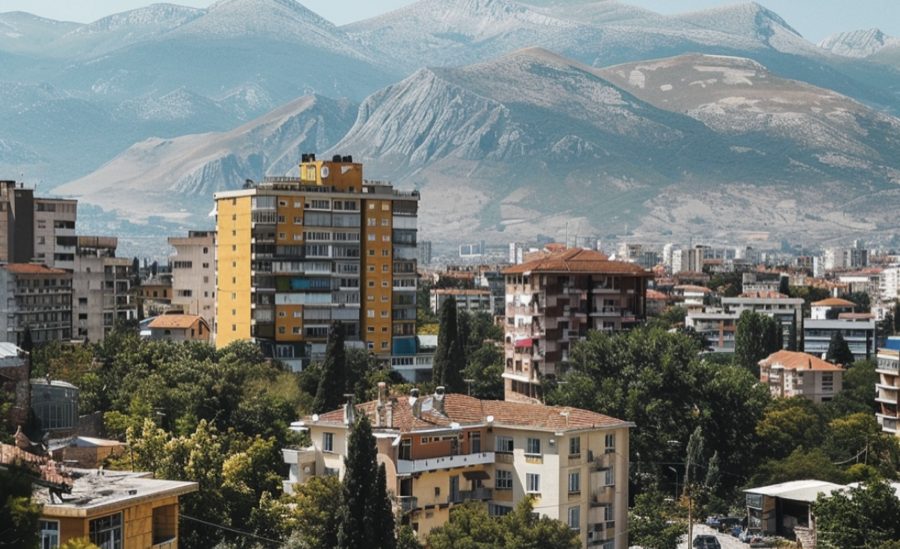
Rent, especially in major cities like Tirana, can range from $300 to $700 for a one-bedroom apartment, while outside the city center, prices may drop to around $200 to $400.
Grocery expenses for a single person typically amount to about $150 per month, with a slightly higher cost for expats due to preferences for imported goods.
Public transportation is affordable at around $20-$30 per month, and utilities will add another $50-$100 on average.
Rent
Housing expenses in Albania can vary based on location and the type of accommodation you choose.
For a one-bedroom apartment in the city center, you might expect to pay around $300 to $400 per month.
If you’re looking for more space, a three-bedroom apartment could range from $500 to $700 per month. Keep in mind that these prices differ from city to city.
Monthly rent includes utility bills such as electricity, water, heating, and garbage collection.
Generally, the cost of utilities for an average-sized apartment is about $50 to $100 per month.
Food and Groceries
After considering rental costs, let’s talk about food and groceries in Albania.
The cost of living for food in Albania is relatively affordable compared to many other countries.
On average, the daily cost of food per person in Albania is around $10, making it a budget-friendly option for residents and tourists alike.
Grocery prices are reasonable, allowing you to manage household expenses efficiently while enjoying a variety of fresh and local produce.
When it comes to grocery shopping in Albania, you will find that the prices are generally lower compared to many Western countries.
Fresh fruits, vegetables, dairy products, and basic pantry staples are available at affordable rates across local markets and supermarkets.
Transportation
After considering your food and groceries budget, it’s vital to understand the transportation costs in Albania.
Traveling expenses in Albania can have a significant impact on your monthly budget.
The average cost of moving around the country is approximately $12 or Lek1,109 per trip between cities and towns.
This encompasses public transportation costs, commuting expenses, transport fees for buses or taxis as well as other travel expenditure incurred when getting around the country.
When planning your monthly travel budget, it’s important to consider these transport fees which vary depending on the mode of travel and distance between destinations within Albania.
Utilities
After considering transportation costs, it’s important to factor in your monthly utility expenses when living in Albania.
Basic necessities such as electricity, water, and heating are part of your monthly bills.
The average cost of utilities contributes significantly to the overall cost of living in Albania.
In Albania, you’ll find that the costs for utilities like electricity and water bills are generally reasonable and fit within the affordable range.
Monthly expenditures on basic services are typically manageable for most digital nomads and expats.
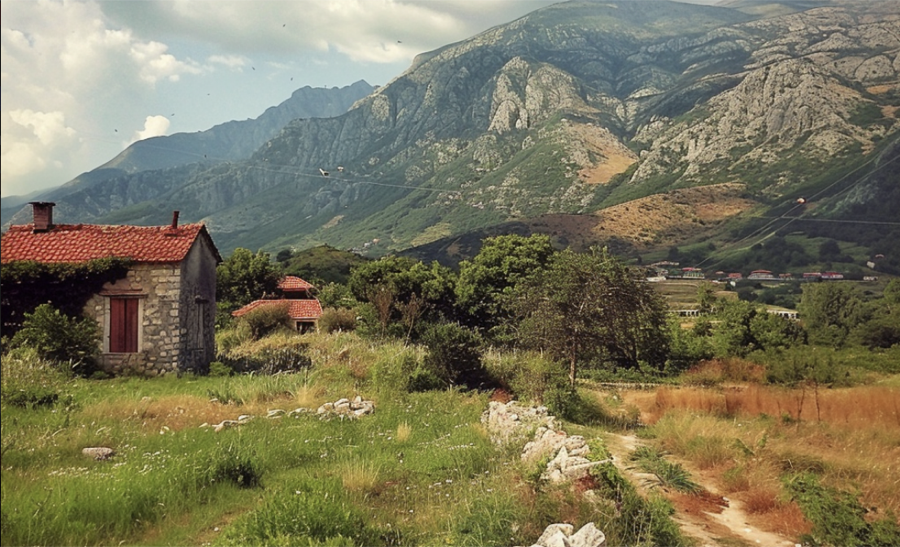
Cost of Living by City in Albania
Compare the cost of living in various cities such as Tirana, Vlore, Kamez, Fier, Durres, Shkoder, Elbasan, Korce, Sarande and Berat to help you make an informed decision based on your preferred location.
Tirana
- Average Monthly Costs: $967 (92,015 Lek)
- Higher prices due to being the capital and economic hub.
Vlore
- Average Monthly Costs: $657 (62,570 Lek)
- Affordable living with a coastal charm, popular among retirees.
Shkoder
- Average Monthly Costs: $561 (53,300 Lek)
- Ideal for budget-conscious expats seeking tranquility.
Tirana
As Albania’s bustling capital, Tirana has an average monthly cost of $967, slightly higher during winter. Rent for a one-bedroom apartment starts at $506 in the city center, with groceries 16% cheaper than Houston but household costs 57% higher than Kuala Lumpur. For expats, Tirana offers vibrant urban living but requires careful budgeting.
Vlorë
Vlorë’s affordable cost of living, averaging $657 monthly, ranks it among the 25% least expensive cities globally. With reasonable accommodation and food costs, it’s a budget-friendly coastal city offering quality living without high expenses.
Kamëz
Kamëz provides a cost-effective alternative near Tirana. A one-bedroom apartment ranges from $200–$400, and basic groceries and utilities are highly affordable. It’s a practical choice for those balancing cost and proximity to the capital.
Fier
Fier ranks among the 14% least expensive cities globally, with an average cost of $561 monthly. Rent, food, and transportation remain budget-friendly, making it ideal for expats seeking affordable living in central Albania.
Durrës
Durrës, with its $726 average monthly cost, is slightly above Albania’s national average by 2%. Known for its coastal charm, it offers affordable housing, dining, and transportation, appealing to expats and tourists alike.
Shkodër
Shkodër combines history and affordability, with rent starting at $150 per month. Groceries and public transport are inexpensive, making it an excellent choice for expats seeking a serene, budget-friendly lifestyle.
Elbasan
With an average monthly cost of $586, Elbasan is one of Albania’s most affordable cities. Its rich history and low living expenses make it an attractive option for those prioritizing affordability.
Korçë
Korçë, known for its cultural charm, offers a $675 average monthly cost. It’s 28% cheaper than Tirana, with low housing and food expenses, making it a smart choice for budget-conscious expats.
Sarandë
Sarandë’s $891 average cost reflects its popularity as a coastal hotspot. While higher than Albania’s average, it remains reasonable for its scenic location. Expect higher rent during tourist seasons.
Berat
Berat, at $530 monthly, ranks among the 12% least expensive cities globally. Affordable housing and transport costs make this historic city an ideal choice for budget travelers and expats.
Comparing Albania to Other Countries
Explore how the cost of living in Albania stacks up against the US, UK, Turkey, and India to gain valuable insights into international living expenses.
Albania vs. US
Albania offers a significantly lower cost of living compared to the United States.
Living expenses, including rent, groceries, and transportation, are substantially cheaper in Albania.
The average monthly disposable salary in Albania is also notably lower than in the US.
However, this economic disparity allows for a more affordable standard of living with more disposable income for expats and digital nomads settling in Albania.
This international ranking presents an opportunity for individuals to explore a different lifestyle without compromising their financial stability.
With its favorable cost of living and rich cultural experiences, Albania provides an attractive option for those seeking to live or work abroad.
Albania vs. UK
When comparing the cost of living in Albania and the UK, you will find that Albania is generally 46.8% cheaper than the United Kingdom.
This means that your living expenses in Albania would be significantly lower compared to those in the UK.
The average cost of living in Albania is approximately 1% less expensive than in the United Kingdom, making it an attractive option for digital nomads and expats looking to manage their budget effectively while maintaining a good standard of living.
In terms of demography, economy, energy, and languages, there are notable differences between Albania and the United Kingdom.
While the UK has historically been at the forefront of quality of life development compared to Albania, it’s important to consider how much further your money can go when choosing where to live as a digital nomad or expat.
Despite these differences, both countries offer unique opportunities for individuals looking for diverse experiences abroad.
Albania vs. Turkey
Now, let’s compare Albania to Turkey. When it comes to the cost of living, Albania is about 18% more expensive than Turkey.
The prices for groceries and transportation are lower in Turkey compared to Albania.
For example, the cost of a meal in an inexpensive restaurant is higher in Albania than in Turkey.
In terms of demographics, economy, energy usage, and language differences between the two countries, there are significant aspects that digital nomads and expats should consider before deciding where to relocate or visit.
Albania offers a unique blend of affordability and cultural richness while Turkey presents its own set of opportunities and challenges.
As you navigate through these comparative assessments with other countries such as the US, UK, and India, understanding the nuanced differences will help you make informed decisions based on your individual needs and priorities as a digital nomad or expat looking for an ideal destination.
Unique Tips and Insights for Living in Albania
Living in Albania offers affordability and charm, but navigating daily life as an expat or digital nomad comes with its unique set of challenges. Here are some practical tips and insights to help you settle in and thrive:
Finding Affordable Housing
- Use Local Contacts: Albanians value personal connections. To find the best deals on apartments, reach out to locals, landlords, or join Facebook groups like “Rent in Albania” for direct listings.
- Avoid Tourist Pricing: Properties listed on major platforms like Airbnb are often inflated. Negotiate long-term rental agreements directly with property owners to secure local pricing.
- Consider Neighborhoods Wisely: In Tirana, areas like Blloku are vibrant but pricier. Explore up-and-coming neighborhoods like Kombinat for lower rents with good amenities.
Navigating Transportation
- Use Local Apps: Apps like Trafiku Urban provide real-time bus schedules and routes, making it easier to get around Tirana and other cities.
- Intercity Travel: Shared taxis, called “furgons,” are an affordable and convenient option for traveling between cities, though schedules can be inconsistent. Arrive early and confirm departure times with drivers.
- Renting a Car: If exploring rural areas, renting a car is recommended, as public transport can be sparse. Be prepared for narrow, winding roads.
Overcoming Cultural and Language Barriers
- Language Tips: While many younger Albanians speak English, older generations may not. Learning a few basic Albanian phrases like “Faleminderit” (Thank you) or “Sa kushton?” (How much does it cost?) can go a long way.
- Cultural Etiquette: Albanians are warm and hospitable, but it’s polite to remove your shoes when entering someone’s home. Additionally, always greet locals with a handshake or friendly nod.
Dealing with Healthcare
- Accessing Medical Care: Public healthcare is free for residents but may not meet Western standards. Consider purchasing private health insurance for better facilities and quicker service.
- Pharmacies: Most cities have well-stocked pharmacies, and many common medications are available without a prescription. Always carry a copy of your prescription if you need specialized medication.
Adapting to Infrastructure in Rural Areas
- Limited Amenities: Rural towns like Berat and Shkodër offer charm but may lack reliable internet or modern amenities. Invest in a mobile internet plan as a backup for remote work.
- Shopping: Larger supermarkets are often located in city centers, so stock up on essentials when visiting Tirana or major towns.
Avoiding Common Pitfalls
- Tourist Traps: Restaurants in tourist-heavy areas charge premium prices. Venture into local neighborhoods for authentic meals at lower prices.
- Utilities Costs: In winter, heating can drive up utility bills. Opt for apartments with good insulation or consider using a wood stove for cost-effective heating.
Unique Experiences
Day Trips: Discover lesser-known gems like the Blue Eye in Sarandë or the Osumi Canyon in Berat, both offering breathtaking views at minimal costs.
Local Markets: Explore fresh produce markets like Tirana’s Pazari i Ri for affordable groceries and an authentic cultural experience.
Unique Insights
Seasonal Variations
Coastal cities like Sarandë experience higher costs during the summer tourist season, especially for rent and dining out. Inland cities maintain stable costs year-round.
Rural vs. Urban Living
Rural areas offer lower costs but limited amenities compared to urban centers like Tirana.
Money-Saving Tips
- Public Transport: Use buses and shared taxis for intercity travel.
- Local Markets: Shop for fresh produce at farmers’ markets.
- Utilities: Monitor electricity usage, especially during winter months.
Conclusion
Albania is a hidden gem for expats and digital nomads seeking an affordable lifestyle in Europe.
Whether you choose Tirana’s vibrant city life or the peaceful charm of Shkoder, understanding the cost of living ensures a smooth transition and fulfilling experience.
With detailed cost breakdowns and practical tips, this guide equips you to budget effectively and enjoy life in this Balkan treasure.
Understanding the Cost of Living in Albania: Methodology and Considerations
How This Data Was Compiled
To provide an accurate and practical guide on the cost of living in Albania, this article draws from a variety of reliable sources and personal insights:
- Data Sources: We analyzed data from reputable platforms such as Numbeo, Expatistan, and INSTAT Albania (Albania’s official statistics bureau). These platforms aggregate user-contributed information and official statistics on housing, transportation, food, and utilities.
- Local Insights: Input was gathered from expats, digital nomads, and local residents through online forums and interviews to capture real-world experiences and tips.
- First-Hand Experience: Observations from time spent living and traveling in Albania added a practical perspective to this guide, especially regarding unique cultural and logistical nuances.
Disclaimer: Costs May Vary
It’s important to note that the cost estimates provided in this article are averages and may not fully reflect individual circumstances. Variations can occur based on:
- Location: Prices differ significantly between urban centers like Tirana and smaller towns like Shkodër or Berat. Coastal cities may also see seasonal fluctuations during the summer.
- Lifestyle Choices: Dining out, choice of accommodation, and travel preferences can impact monthly budgets considerably.
- Economic Changes: Currency exchange rates, inflation, and energy prices may lead to shifts in living costs over time.
We recommend using tools like currency converters and cost comparison platforms to get the most up-to-date figures for your specific situation.
Acknowledging Limitations
While this guide aims to provide a comprehensive overview of the cost of living in Albania, some limitations exist:
- Regional Data Gaps: Detailed cost breakdowns for remote or less populated areas may be less accurate due to limited data availability.
- Cultural Nuances: This guide provides general insights, but experiences may vary depending on individual integration into local communities.
- Dynamic Costs: Utility costs, housing prices, and transportation fees can change rapidly, especially in tourist areas.
How to Verify and Gather Additional Information
To ensure you have the most accurate and personalized data for your needs, consider these steps:
- Join Local Communities: Facebook groups and forums like “Expats in Albania” often share up-to-date information on housing, costs, and resources.
- Visit Local Markets: For firsthand insights on grocery prices, explore local markets and shops to compare costs.
- Consult Local Professionals: Real estate agents, relocation consultants, and local guides can provide tailored advice based on your specific needs.
Frequently Asked Questions
What are the average monthly living expenses in Albania?
The average monthly living expenses in Albania can vary, but for a single person, it’s estimated to be around $500 to $700, excluding rent.
Is healthcare affordable in Albania?
Yes, healthcare is relatively affordable in Albania compared to many other countries. The cost of medical services and prescription medication is generally lower.
How much does it cost to rent an apartment in Albania?
The cost of renting an apartment in Albania varies by location and size, but on average, a one-bedroom outside the city center can range from $200 to $400 per month.
Are groceries expensive in Albania compared to other countries?
Grocery prices in Albania are generally lower compared to many other European countries. Locally produced fruits, vegetables, and dairy products can be particularly affordable.
What are some common utilities costs for a typical household in Albania?
For a typical household including electricity, heating, cooling, water, and garbage services may total around $50 to $100 per month depending on usage and location.
Sources:
- Institute of Statistics (INSTAT) – Albania: Provides official data on consumer prices, household expenditures, and income levels in Albania.
- Consumer Prices in Albania: Instituti i Statistikave
- Household Consumption Expenditures.
- Income and Living Conditions in Albania, 2023.
- Numbeo: Offers up-to-date user-contributed data on the cost of living, including prices for groceries, housing, and more.
- Cost of Living in Albania: Numbeo
- Livingcost.org: Provides detailed cost comparisons across various cities in Albania, useful for analyzing regional differences.
- Cost of Living in Albania: Livingcost
- Euronews Albania: Reports on recent trends affecting the cost of living for families in Albania.
- Cost of Living for Families in Albania Increases: Euronews
- Expatistan: Offers cost of living comparisons, including prices for housing, food, and other essentials in Albania.
- Cost of Living in Albania: Expatistan, cost of living comparisons
- Livingcost.net: Provides comprehensive data on living expenses in Albania, including average costs for accommodation, food, and transportation.
- Cost of Living in Albania: Living Cost