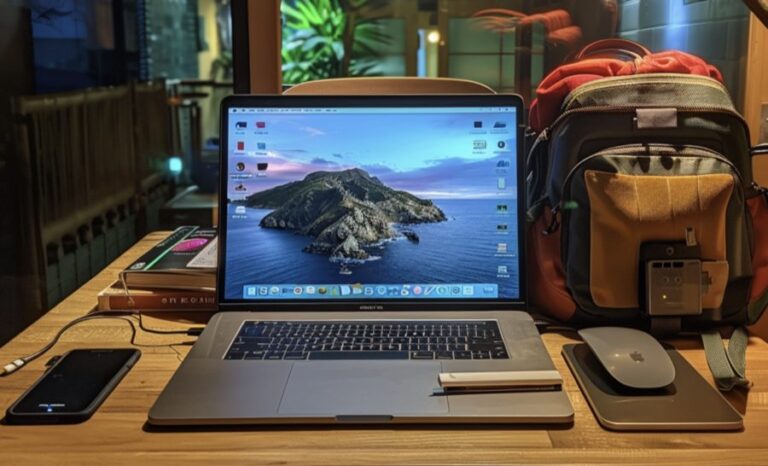
Slow Work, Fast Results: Build a Mindful Home Office That Fuels Deep Work for Digital Nomads


Last Updated on 10 July 2025
In today’s fast-paced world, many professionals, especially digital nomads and expats, find themselves burned out and distracted despite endless productivity hacks.
According to research from Harvard Business Review, knowledge workers face interruptions every three minutes, and it can take up to 23 minutes to regain full concentration. This is a recipe for shallow, forgettable work.
Slow work isn’t about laziness—it’s the discipline of protecting your attention and going deep. Consultants, strategists, and creatives who master this are the ones actually moving the needle and making more money.
The Science of Deep Focus
Cal Newport coined the term “deep work” and demonstrated that undistracted concentration is the real driver of value and career advancement. Companies that prioritize focus see higher output quality, lower turnover, and less burnout.
For digital nomads, creating an intentional workspace is crucial. A Stanford study found that remote workers with dedicated workspaces are up to 47% more productive than those improvising on the go.
Home Office Design: The Overlooked Force Multiplier
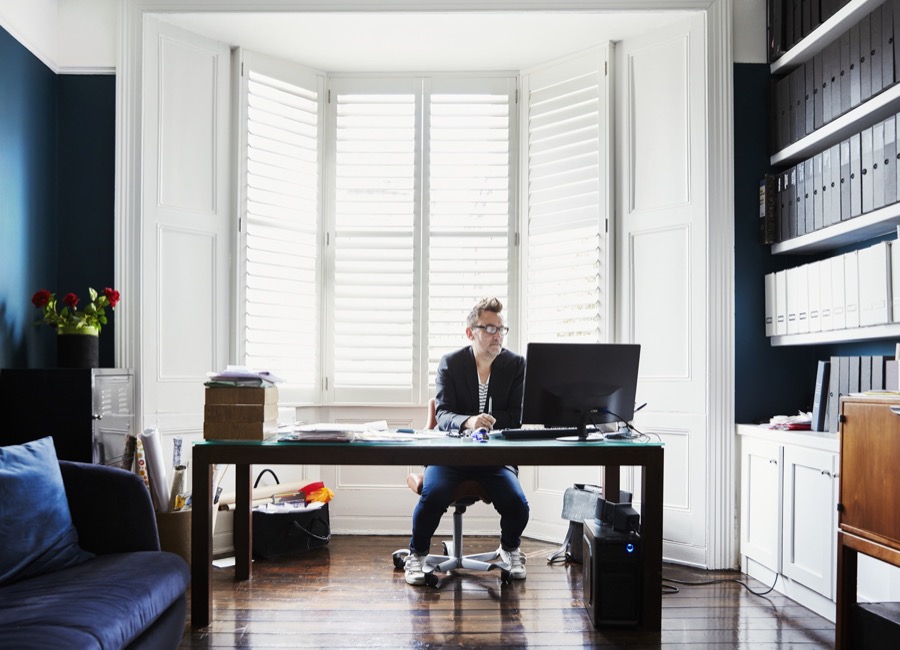
Your home office isn’t just a Zoom backdrop; it’s a performance machine. Here’s how to build one that delivers results wherever you are:
1. Lighting: Indirect and Warm Wins
Forget overhead glare. Natural, indirect light reduces fatigue and improves mood. If windows are limited, use warm LED desk lamps.
2. Desk Placement: Protect Your Back
Face away from the door. Environmental psychology research confirms you’ll feel safer, less stressed, and more able to concentrate.
3. Visual Anchors: Inspire, Don’t Distract
Remove clutter. Only keep objects that clarify, calm, or inspire. If you want a mental jolt, consider a piece of Banksy wall art. Studies show that engaging, meaningful art boosts creative thinking and problem-solving.
4. Sound and Scent: Control Your Sensory Field
- Sound: Use noise-dampening panels, thick rugs, or brown noise to block distractions.
- Scent: Rosemary can enhance memory and alertness, according to the International Journal of Neuroscience. Cedarwood and sandalwood are grounding. Pick one scent and stay consistent—it becomes your brain’s cue to focus.
5. Zones of Intention: One Space, Multiple Modes
High performers split their workspace:
- Execution zone: Laptop, tasks.
- Ideation spot: Standing desk or whiteboard.
- Deep thinking area: Chair with notebook, no screens.
Switching zones physically resets your attention.
6. Rituals: Prime Your Brain for Work
Create a pre-work ritual. It could be turning on a specific lamp, lighting a candle, or playing a set playlist. Rituals condition your nervous system for focus, just like athletes prepping for a game.
Texture and Temperature: Don’t Ignore the Basics
Real wood, woven fabrics, and tactile objects keep you grounded and alert. Keep your office between 68–72°F (20–22°C) for optimal cognitive performance—anything hotter or colder kills productivity.
Protect Your Time—It’s Strategic, Not Romantic
Slow work is a power move. It’s not about rejecting results—it’s about refusing to equate busyness with value. The best, most highly paid professionals obsess over the quality of their attention, not the quantity of their hours.
For a detailed, research-backed playbook on deep work, check out Cal Newport’s authoritative essay in Harvard Business Review.
Conclusion
Build your office for focus, not for show. Guard your attention like revenue. That’s how you get fast results the slow way—and blow past the competition.