11 European Countries With Digital Nomad Visas


Last Updated on 25 December 2024
You’ve dreamed of being a digital nomad—working remotely while exploring new places. But finding countries that welcome long-term stays for remote workers can be tricky. Believe it or not, 11 European nations now offer special visas just for digital nomads.
As someone who has just successfully obtained a “co-habitation residency” in Italy, I know firsthand the challenges of securing these visas. But I’ve also experienced the incredible freedom of this nomadic lifestyle.
So let me share the European countries rolling out the red carpet for remote workers like you.
Key Takeaways
- 11 European countries now offer digital nomad visas allowing remote workers to legally live and work in their countries for extended periods. These include Italy, Spain, Portugal, Estonia, Croatia, Malta, Germany, Iceland, Cyprus, Czech Republic, and Norway.
- To qualify for a digital nomad visa, applicants typically need to prove a minimum annual income ranging from $20,000 to $50,000 from remote employment or self-employment, have personal health insurance coverage, and a clean criminal record.
- The application process involves visiting official government websites for requirements, income thresholds, document checklists, and submitting proof of income, health insurance, employment contracts, tax returns, and undergoing background checks.
- Key benefits of digital nomad visas include the freedom to travel and work remotely across borders, experience new cultures while maintaining a career, contribute to local economies, and foster cultural exchange.
- Responsible digital nomads need to thoroughly research visa rules, respect local customs, pay applicable taxes, establish stable income streams, maintain emergency funds, and strike a balance between work and exploration to ensure a fulfilling nomadic lifestyle.
European Countries Offering Digital Nomad Visas

You’re eager to embrace the digital nomad lifestyle—living and working remotely while exploring new cultures. Fortunately, several European countries have introduced digital nomad visas, catering to remote workers and location-independent professionals.
Entities like Croatia, Malta, and Portugal provide enticing options. These Mediterranean nations boast excellent infrastructures, rich histories, and vibrant communities—offering an ideal blend of productivity and cultural immersion for digital nomads.
Estonia’s e-Residency program is another innovative approach, enabling non-residents to establish an EU-based company and secure a digital nomad visa.
Italy

Italy offers digital nomads a co-habitation residency visa. You’ll need to prove an income ranging from €35,000 to €100,000 annually — along with personal healthcare coverage and a clean criminal record.
This visa allows you to live and work remotely in Italy for up to one year, renewable annually.
The application fee is around €120. You can apply through Italy’s official immigration website. Along with income proof, you’ll provide biometrics, passport details, and tax residency confirmation.
Meeting the requirements opens doors to Italy’s rich culture, Mediterranean cuisine, and high quality of life for digital nomads.
Spain

Spain offers an appealing digital nomad visa. You require proof of income between $20,000 – $50,000 annually from remote work. The application fees are reasonable – check the official government website for details.
Freelancers, independent contractors and non-EU remote workers can leverage this opportunity. Enjoy Spain’s vibrant culture, cuisine and climate while legally working remotely.
Portugal
You can take advantage of Portugal’s digital nomad visa. It allows remote workers to reside in Portugal for up to one year, with the possibility of renewal. To qualify, you’ll need proof of employment or self-employment with a monthly income above €700.
The application process is straightforward – simply complete the online form, providing details about your circumstances. You’ll find the official link on trusted sites catering to digital nomads.
Portugal’s temperate climate, affordable living costs, and excellent infrastructure make it an appealing destination for roaming professionals. From buzzing cities like Lisbon to charming coastal towns, you can seamlessly combine work and leisure.
With high-speed internet widely available, Portugal offers an ideal setting to embrace the digital nomad lifestyle while immersing yourself in its rich culture and history.
Estonia

Estonia stands out, offering an e-Residency program for digital nomads and remote entrepreneurs. You’ll need proof of income and employment—plus pay an application fee. But the process is straightforward—Estonia provides official links guiding you step-by-step.
Securing an Estonian e-Residency visa opens doors. You gain access across the EU’s Schengen zone—traveling seamlessly for work or leisure. Plus, Estonia boasts a thriving tech hub, attracting innovative companies and start-ups.
It’s an ideal base for digital nomads seeking new opportunities in Europe.
Croatia
Croatia offers an enticing digital nomad visa for remote workers. You’ll need to prove a monthly income above €2,326 (around $2,500) from employment or self-employment. The visa fee is €120, renewable annually.
With this visa, you can legally reside in Croatia for up to a year — an attractive option in this scenic Adriatic nation. The Croatian government lists all requirements on their official site, making the application process straightforward.
Malta
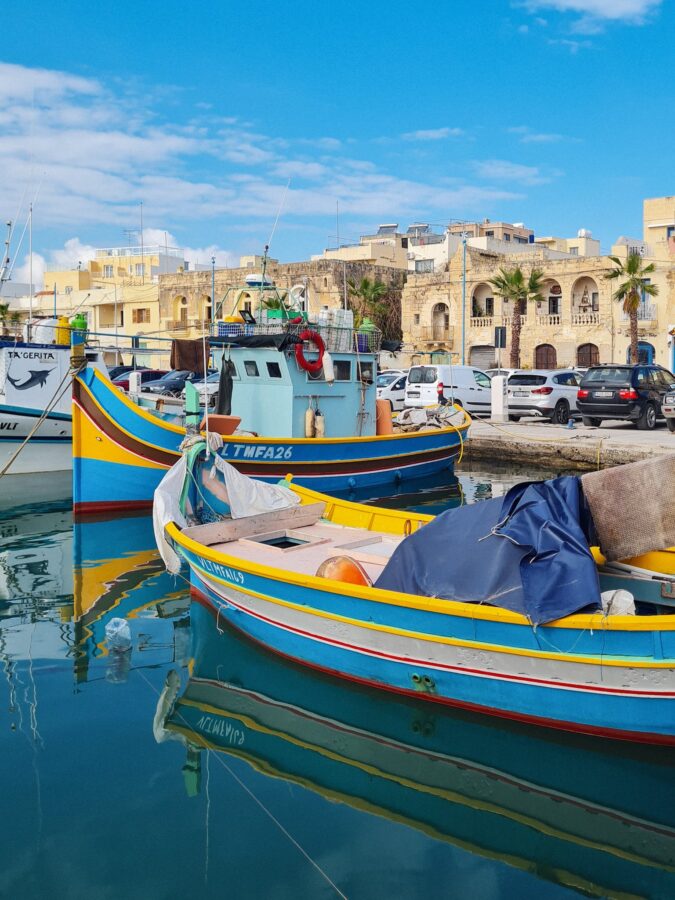
Malta offers a digital nomad residence permit. You can apply online through their official government portal. The key requirements include proof of a remote job, health insurance coverage, and meeting the minimum income threshold – around €2,700 per month plus an additional €500 for each dependent family member.
You’ll also need to pay a non-refundable application fee ranging from €300 for EU/EEA/Swiss nationals to €350 for third-country nationals. Securing this permit allows you to stay in Malta for up to a year as a temporary resident, renewable annually.
It grants you visa-free travel within the Schengen area – a major perk for digital nomads exploring Europe.
Germany
Germany offers an attractive freelancer visa for self-employed digital nomads. You can work remotely while enjoying the country’s rich culture and efficient infrastructure. The visa requires proof of income exceeding a specified threshold – refer to the official website for updated details.
With relatively straightforward requirements and a vibrant digital community, Germany presents an enticing option.
Navigating bureaucracies isn’t easy – Germany simplifies the process. The freelancer visa grants you temporary residency, allowing extended stays. You’ll find a thriving community of location-independent professionals across tech hubs like Berlin.
Leverage Germany’s strategic location for hassle-free travel across Europe, fueling your wanderlust. Explore historic cities, scenic landscapes, and excellent public transit – Germany offers nomads an enriching experience.
Iceland
Iceland offers a digital nomad visa — the long-term residency visa — permitting remote professionals to live and work in the Nordic nation for an extended period, up to 180 days.
You’ll need to prove a minimum monthly income of around $7,300 and have proper health insurance coverage. The application process is straightforward, with a flat fee of $75. Visit the official government website for the complete details and online application.
This Nordic gem attracts digital nomads with its awe-inspiring landscapes, geothermal wonders, and unique cultural experiences. You enjoy tax-free income while immersing yourself in Reykjavik’s vibrant cafe scene or exploring the rugged terrains.
Nature lovers thrive in Iceland — from chasing waterfalls and hiking glaciers to spotting whales and the spectacular Northern Lights. The temperate climate makes this destination ideal for outdoor enthusiasts year-round.
Cyprus
Cyprus offers an enticing digital nomad visa. To qualify, you’ll need a valid employment contract or prove self-employment income exceeding €3,500 per month. The application fee is €70, payable upon submission.
You can find the official application link and detailed requirements on the blog post. Following the straightforward process outlined there ensures a smooth transition to working remotely from the Mediterranean island.
Embrace this opportunity to combine your professional pursuits with the Cypriot lifestyle – basking in sunshine, savoring local cuisine, and immersing yourself in rich cultural heritage.
Czech Republic
The Czech Republic offers a freelancer visa for non-EU citizens. This visa allows digital nomads to reside and work remotely in the country. Applicants must demonstrate a minimum bank balance and provide proof of income from their remote jobs.
The visa’s duration varies based on individual circumstances.
You’ll find the official application link and income requirement details on authoritative websites. Explore this option if you seek a European base for your nomadic lifestyle. It provides a path to legally work while experiencing the Czech Republic’s rich culture and history.
Norway
Norway offers an enticing digital nomad visa, allowing you to work remotely while exploring its awe-inspiring landscapes. With a client requirement and an income threshold, this visa ensures you maintain financial stability during your stay.
You can find the official application link and fee details on reputable blogs, simplifying the process of acquiring your digital nomad visa.
To thrive as a digital nomad in Norway, secure a remote job that meets the country’s income requirements. This vibrant Scandinavian nation boasts a high standard of living, breathtaking fjords, and a welcoming culture – the perfect backdrop for your digital nomad journey.
Don’t miss the opportunity to experience Norway’s natural beauty while pursuing your professional aspirations.
Requirements for Digital Nomad Visas

To obtain a digital nomad visa, you’ll need a remote job and personal healthcare coverage. Prove your income exceeds the threshold and have a clean criminal record.
Concepts like visa requirements, work permits, and tax residency determine eligibility. Tools help manage the application process, from government portals to document checks.
Remote job
To qualify for a digital nomad visa, you’ll need a remote job. Governments want proof of sustainable income. Your employment contract, recent pay stubs, and bank statements showcasing your earnings bolster your application.
They ensure you can support yourself without seeking local employment.
As a remote worker, you enjoy location independence. Code from a cafe in Lisbon, consult clients in Berlin, or design websites from Croatia’s shores.
With a digital nomad visa, you stay legally in each European country for longer durations – exploring its culture while earning an income online.
Personal healthcare
To embark on your digital nomad journey, proof of personal healthcare coverage is crucial. This requirement ensures you have access to medical services while abroad — safeguarding you from potential financial burdens.
Comprehensive health insurance protects your well-being, allowing you to focus on your remote work without worries.
Many countries mandate this prerequisite. For instance, Estonia, Croatia, and Malta insist on valid healthcare coverage before granting digital nomad visas. Thoroughly research destination-specific requirements — some nations accept private insurance policies, while others necessitate enrolment in national health programs.
Securing the right coverage demonstrates your commitment to responsible travel while prioritizing your health and safety.
Proof of income
Most countries require you to show proof of income when applying for a digital nomad visa.
This ensures you can financially support yourself during your stay. Typical requirements range from $20,000 to $50,000 in annual income from remote work or self-employment.
Accepted documents include tax returns, pay stubs, bank statements, employment contracts, or invoices from clients. Having this documentation – along with a clean criminal record and health insurance – strengthens your application.
Demonstrating stable income gives officials confidence you won’t overstay or burden local resources.
No criminal record
Ensuring a spotless criminal record is a crucial prerequisite for aspiring digital nomads seeking visas in various European nations. Authorities rigorously scrutinize applicants’ backgrounds, prioritizing safety and security.
You’ll undergo thorough background checks to ascertain your law-abiding conduct—a clean slate opens doors to these coveted visas.
Upholding impeccable legal standing is paramount. Even minor infractions could jeopardize your dreams of roaming freely across borders. Meticulous vetting processes weed out those with blemished records, safeguarding host countries’ wellbeing.
So, maintain an unblemished track record—it’ll smooth your path to globetrotting as a digital nomad.
Application Process for Digital Nomad Visas

Applying for a digital nomad visa requires navigating a maze of requirements and processes. Yet, the rewards await those willing to persevere—the freedom to roam and work remotely across borders.
Official government websites offer a wealth of information on income thresholds, documentation, and additional criteria. From Italy to Portugal, each country has its unique nuances, so thorough research is key.
Embrace this adventure, for the world is your office when armed with the right digital nomad visa.
Official government links
To apply for a digital nomad visa, you’ll need to visit the official government website of the respective country. These sites provide crucial information, application forms, and guidance throughout the process.
The links serve as your gateway, eliminating guesswork and ensuring you have access to the most up-to-date requirements.
Navigating these sites is straightforward – they’re designed for ease of use. You’ll find sections dedicated to digital nomad visas, outlining eligibility criteria, document checklists, and step-by-step instructions.
Many even offer online application portals, streamlining submissions. Bookmark these links as you’ll likely revisit them during the application journey.
Income thresholds
Income thresholds are crucial for digital nomads seeking visas. Countries have different requirements—many demand proof of income ranging from $20,000 to $50,000 annually. Italy expects around $35,000, while Germany and Norway want over $50,000.
Spain and Portugal hover near $27,000. The threshold ensures you can support yourself without local employment.
Providing financial documentation is essential. Bank statements, pay stubs, tax returns—you’ll need evidence of sustained income meeting the visa’s minimum. Self-employment or freelancing? Contract details and client invoices work too.
The goal is verifying your earnings exceed living costs…proving you won’t burden social services. With proper paperwork, these visas unlock location independence across Europe.
Additional requirements
European countries require digital nomads to meet specific criteria for the visa. You’ll need proof of remote employment or freelance work contracts. This includes pay stubs, tax returns, or client agreements demonstrating steady income.
Healthcare coverage is mandatory – some nations demand private insurance policies, others allow public options. Background checks assessing criminal history are standard too.
Many destinations stipulate minimum income thresholds – Italy expects around €35,000 annually. Portugal’s D7 visa necessitates over €8,460 per year for singles or €12,690 for couples.
Germany’s new freelance visa requires €3,168 quarterly. Beyond financials, you may need apostilled documents, travel itineraries, accommodation bookings, and more. Check individual country requirements carefully before applying.
Conclusion
To conclude, the rise of digital nomad visas in European countries offers an excellent opportunity for remote professionals to legally reside and work abroad for extended periods.
This trend aligns with the growing acceptance of remote work and technological advancements enabling a location-independent lifestyle. While this lifestyle can be rewarding, it also comes with challenges like loneliness, burnout, and visa restrictions. Aspiring digital nomads should secure stable income streams, maintain comprehensive health insurance, and strike a balance between work and exploration.
By embracing adaptability, respecting local customs, and connecting with communities, adventurous professionals can unlock a world of enriching experiences while maintaining their careers through these visa programs.